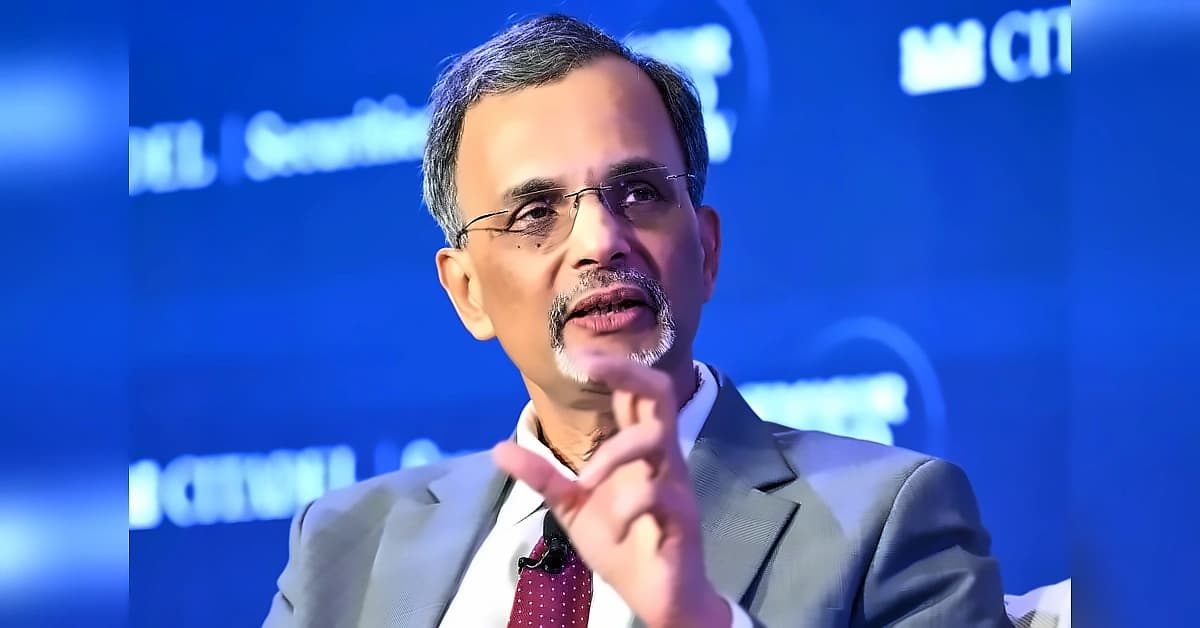
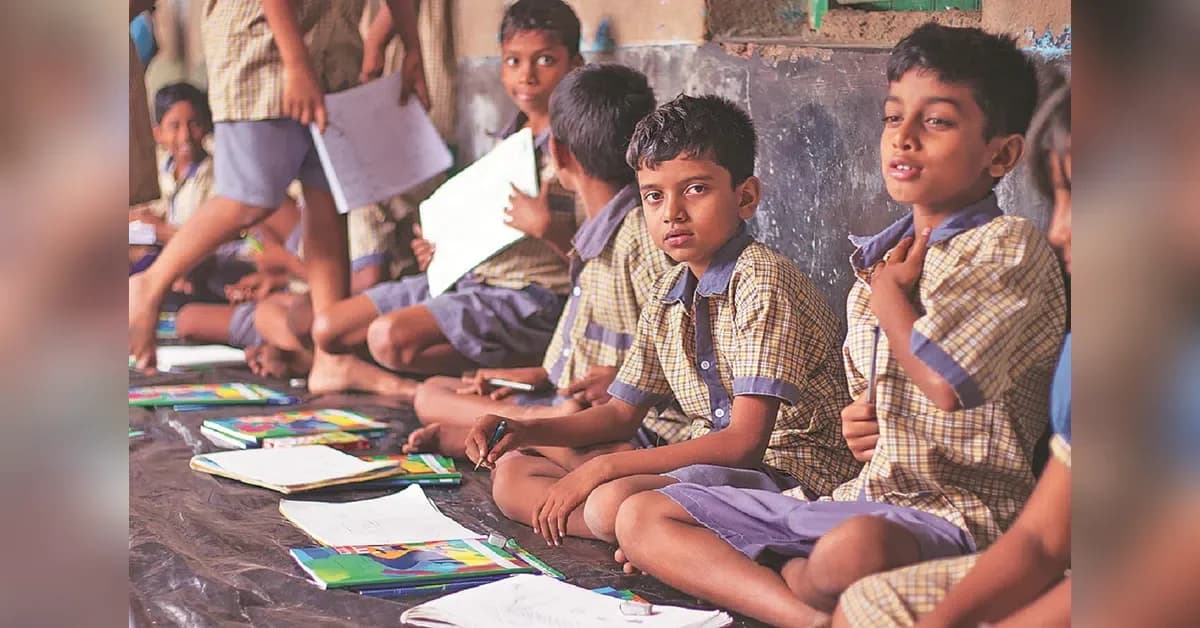
A critical analysis by NITI Aayog's fiscal health index reveals significant deterioration in state spending quality, with expenditure on education as a ratio of total expenditure declining from 16.6% in 2010-11 to 13.1% in 2025-26, while social security and welfare expenditure increased from 3.4% to 6.1% during the same period. As reported by Business Standard, M Govinda Rao points out that deficits and debt levels alone fail to capture the damage caused by rising subsidies and cash transfers, particularly at the state level. The Reserve Bank of India classifies public expenditures under 'development' and 'non-development' categories, which experts argue is a flawed categorisation that masks the true impact of subsidies and transfers on productive spending. The trend clearly shows that much of the proliferation in subsidies and transfers undertaken for electoral reasons is at the cost of empowering children through quality education, which is clearly retrograde.
The proliferation of subsidies and transfers for electoral gains at both Union and state levels has raised concerns about government's ability to provide buffers during economic shocks. According to reports from Business Standard, the escalating freebie culture crowds out expenditure on physical infrastructure and human development, with almost two-thirds of public spending happening at the state level. The Reserve Bank of India has reduced GDP growth forecast to 6.6% from 6.9% and raised inflation forecast from 4.6% to 5.1% due to the West Asian crisis and rainfall deficit. As the war continues, these vulnerabilities have become increasingly apparent, with the government may no longer be able to shield consumers from supply shortages, inflation, decelerating growth, exchange rate depreciation, and current account imbalance. M Govinda Rao notes that states increasingly prioritise welfare transfers over human capital and infrastructure development, undermining long-term growth prospects.
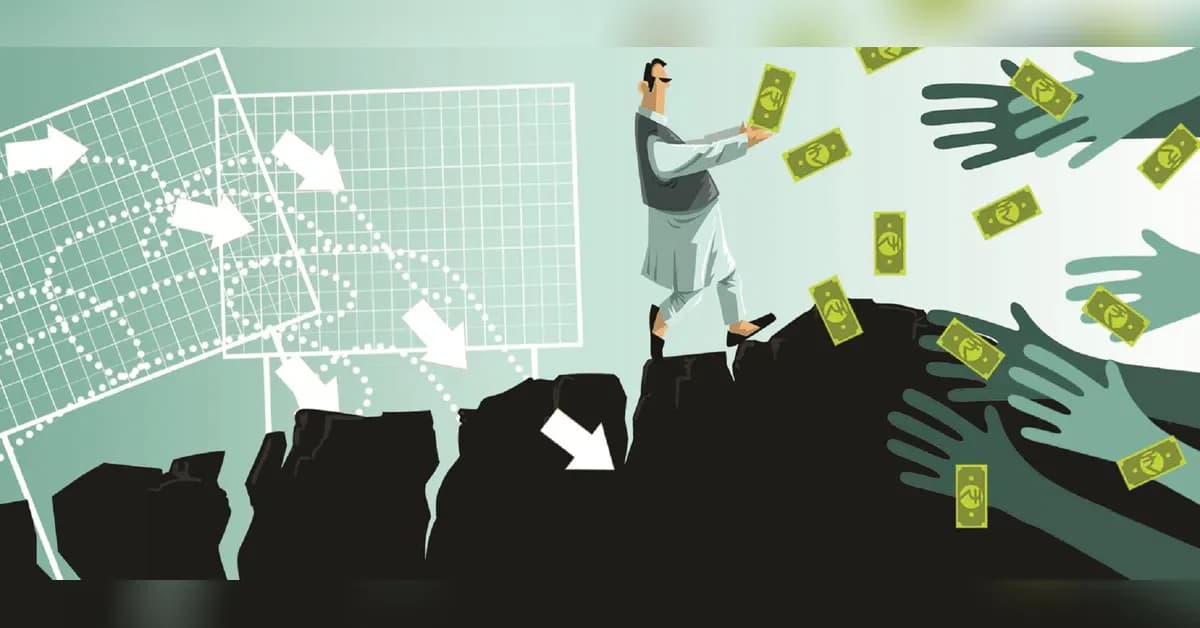
Despite Union Finance Ministry advancing long-term interest-free loans of approximately ₹1.5 trillion under the Special Assistance to States for Capital Investment (Saspi) scheme, capital expenditure has remained stagnant. According to Business Standard reports, the share of capital expenditure in GDP has remained broadly constant at 2.5-2.7% of GDP or 13-15% of total expenditure. The constancy of capital expenditures despite additional grants amounting to ₹1.5 trillion shows that the effect of Saspi has been to soften the states' budget constraints and provide additional fiscal room to expand subsidies and transfers. The conditional component of Saspi loans is 63%, but states can spend less on capital expenditure financed from their own revenues, effectively substituting capital expenditure with increased subsidies and cash transfers.
The current economic environment highlights the vulnerabilities created by the freebies culture. As reported by Business Standard, every $10 per barrel increase in crude oil prices is estimated to raise the current account deficit by 0.4% of GDP. With the Strait of Hormuz remaining closed, energy prices remain elevated and supply disruptions appear unlikely in the near term. The Sixteenth Finance Commission noted that while aggregate state finances appear manageable, serious weaknesses emerge when examining individual states, with high revenue deficit states also having high volumes of subsidies and transfers that have effectively crowded out productive expenditure. The deficit and debt were broadly contained because the volume of borrowings by states is determined by the Union government, particularly when states are indebted to it, helping the Union government calibrate macroeconomic stabilisation.