Economist Anoop Singh, a member of the 15th Finance Commission and former Reserve Bank of India and International Monetary Fund official, has published Managing Public Finances in a New Global Era: India's Experiences and Challenges. According to reports from Business Standard, the 336-page book is priced at ₹1,795 and examines India's fiscal architecture while emphasizing climate change governance structure. Singh's extensive experience in public finance positions him as an authoritative voice on India's budgetary practices and institutional weaknesses.
The book reveals significant gaps in how governments measure and present their financial data to legislative bodies. As reported by Business Standard, there is no standard, universally accepted definition of subsidy at either Union or state level, with freebies, tax rebates, and cash transfers often selectively omitted or included, making comparisons difficult. The author notes that actual subsidy as a percentage of gross domestic product (GDP) has been higher than the subsidy reported in Budget documents over recent years. Additionally, over 40% of state capital expenditure is for debt repayment rather than tangible asset creation, while the Union government's actual capital spending on non-financial assets is lower than budgetary gross estimates.
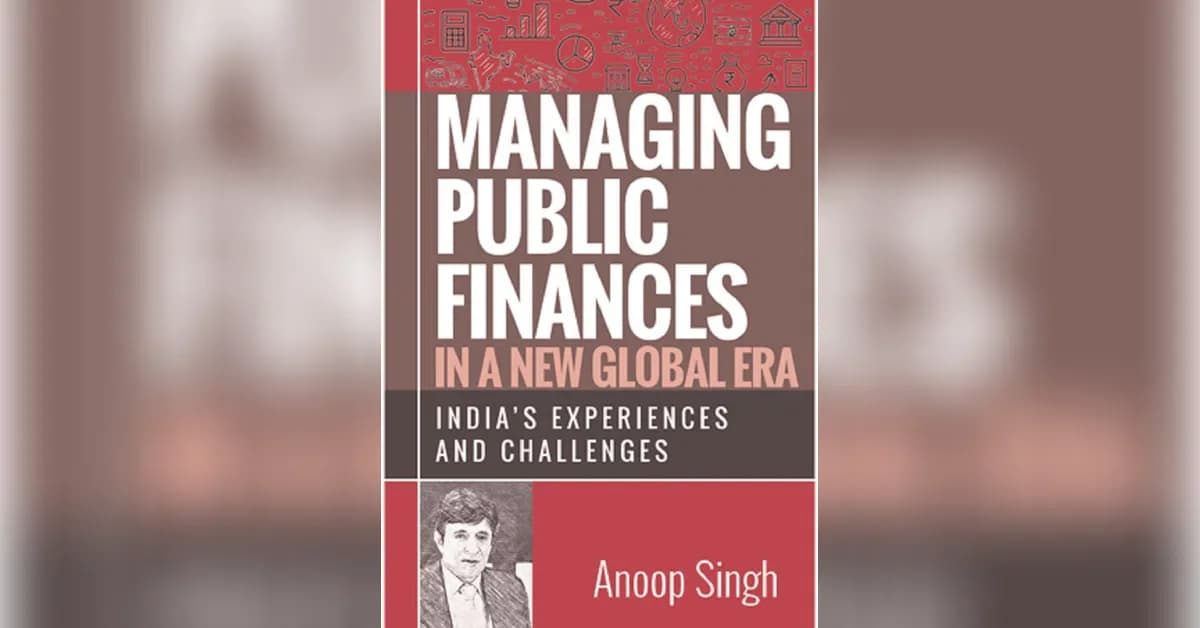
The book identifies several institutional weaknesses that adversely impact fiscal transparency. According to Business Standard, Singh points out that off-budget financing, extra-budgetary resources, and deferred payments are used to bypass scrutiny and conceal financial liabilities while allocating subsidies. The author recommends that states should present their annual budgets before the end of February, similar to the Union government's current February 1 budget presentation timeline. These suggestions are intended for finance ministries at Union and state levels, as well as the Comptroller and Auditor General of India.
The book argues that India's public finance management systems at Union and state levels lag international best practices, despite several committees including finance commissions having recommended reforms. As reported by Business Standard, Singh's central argument emphasizes that Union and state governments must reform their budgetary practices to make India's public financial management system comprehensive, integrated, and consistent with international best practices. The book is divided into two sections, with the first examining India's fiscal architecture and the second focusing on climate change governance structure.