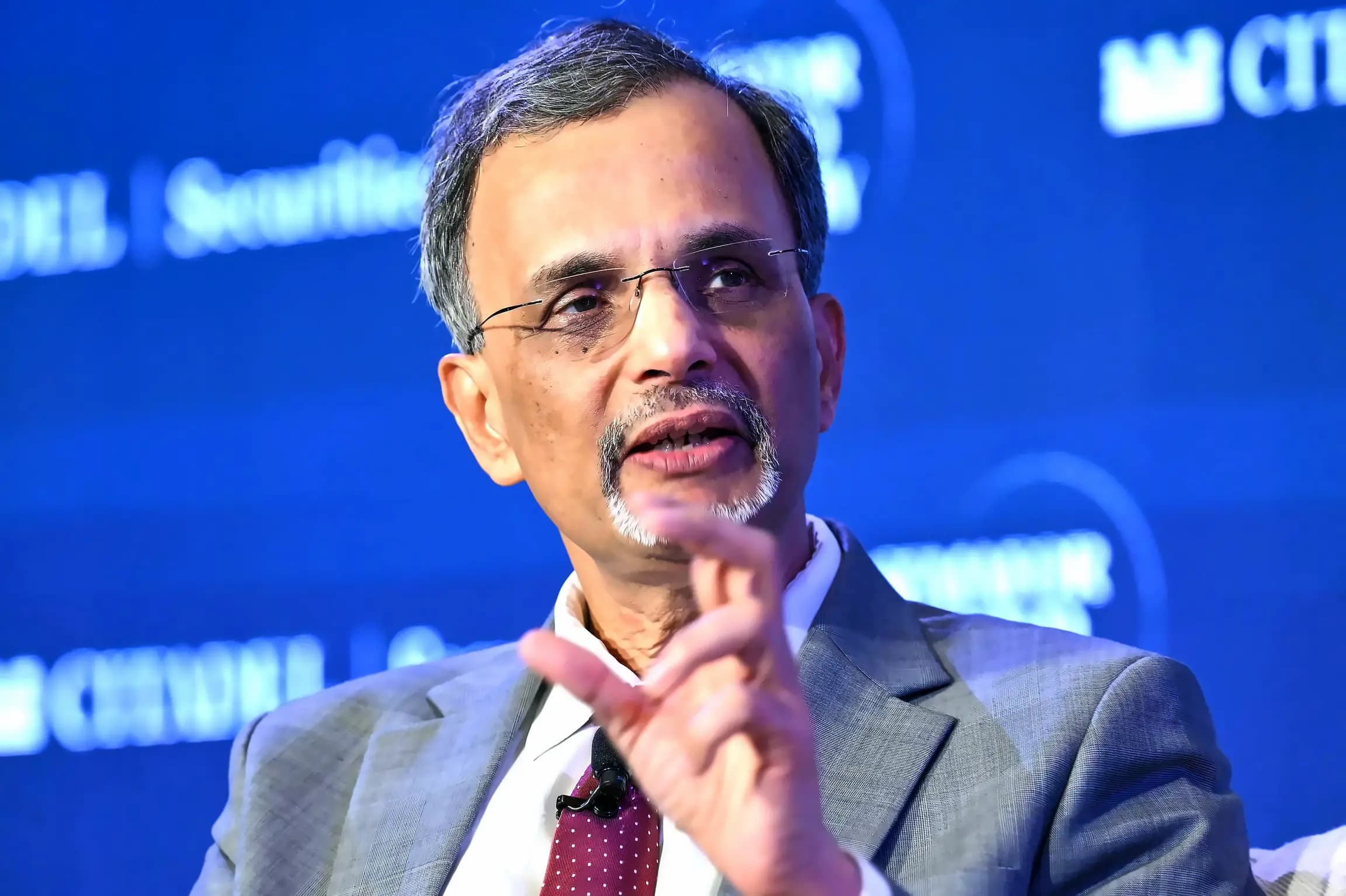
Chief Economic Advisor V Anantha Nageswaran has predicted that India's absence of AI focus will transform into a strategic advantage for the country. Speaking at the SBI-Amundi India Investor Seminar, Nageswaran stated that "if the AI boom stumbles, India is well placed to gain... one year from now, we might find that the absence of an AI trade, will turn up to have been India's strength." He characterized AI as a "borrowing story" and expressed confidence that India will be the alternative investors seek when the AI boom falters. The CEA emphasized that "it is a matter of time before this happens" and expressed certainty about this eventuality playing out, as reported by The Economic Times and Business Standard.
According to The Economic Times, Sankaran Naren, executive director and CIO at ICICI Prudential Mutual Fund, believes India could see a rebound in investor interest when the AI-led growth cycle begins to slow. As reported by The Economic Times, Naren stated that if AI-related growth continues to remain strong, Indian equity markets may face pressure from shifting global preferences. However, when AI-led growth begins to decelerate, India could benefit as capital seeks markets with stronger domestic growth prospects. In an interview with Prashant Mahesh, Naren emphasized that the evolving US AI landscape combined with heightened geopolitical tensions presents challenges to global markets, making it crucial for investors to reassess their asset allocation strategies.
As reported by The Economic Times, Naren indicated that the market is currently in middle territory, with sectors connected to US AI appearing overvalued unless investors maintain a growth-focused mindset. He noted that small- and mid-cap stocks are not cheap largely because of sustained flows into these segments, though companies in these categories may still be growing faster than large-cap companies. The CIO emphasized that there is a significant gap between what has performed well and what has not in the current market environment. He also highlighted that IPOs are trading at higher prices than many of the older listed companies, indicating there seems to be a bigger bull market in IPOs than in the broader market. According to NDTV Profit, the rupee, which has seen some sessions of depreciation and is hurtling towards its lifetime lows, is likely to continue being under pressure, as noted by CEA V Anantha Nageswaran.
According to The Economic Times, Nageswaran identified four exogenous headwinds that have impacted capital flows and led to currency depreciation: challenging US relations, absence of AI trade opportunities, West Asia conflict affecting oil prices, and global central bank rate tightening. However, he highlighted four key strengths that support India's economic resilience: strong growth maintaining over 7% growth despite repeated shocks, manageable current account deficit, well-capitalized banking system, low corporate leverage, and movement of domestic savings into capital markets. The CEA noted that "clearly, the fundamentals are very, very different and healthier right now than what the exchange rate alone might tell you." As reported by NDTV Profit, Nageswaran asserted that India is a story of the glass being more than half full, emphasizing the country's underlying strengths despite current challenges.
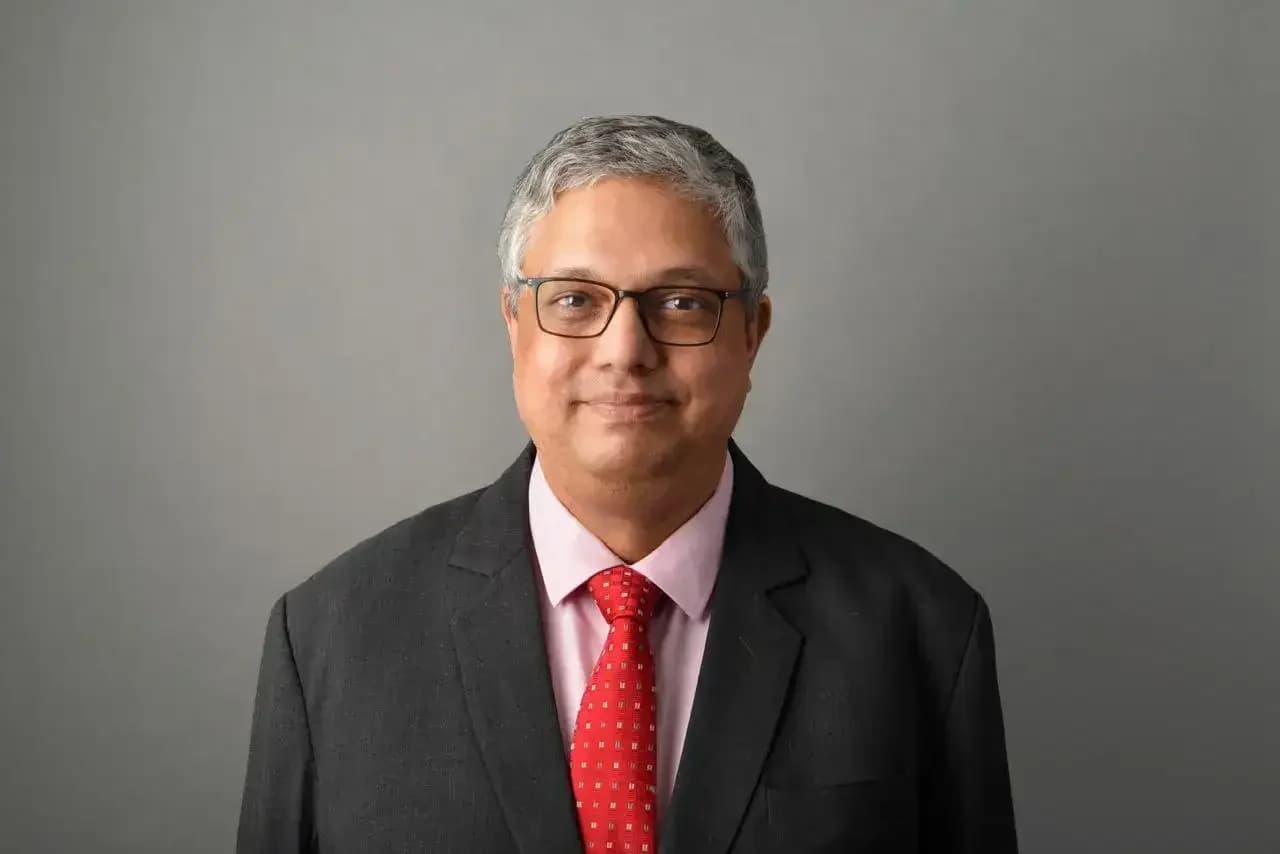
Acknowledging that the absence of AI opportunities is considered a drawback of global investors when it comes to India, the academic-turned-policymaker said India is set to have a "second mover advantage" on this front. According to NDTV Profit, Nageswaran stated that "I would submit that it is a matter of time before this happens," adding that he is certain about this eventuality playing out. The CEA characterized India's position as "a matter of time before this happens" and expressed confidence that with its strong economic growth, India will be the alternative investors seek when the AI boom falters. This perspective suggests that while India may currently lack AI-focused opportunities, its fundamental strengths and eventual recovery position it well for future capital inflows.
As reported by The Economic Times, Naren expects reasonably good earnings growth in the near term, supported by positive inflation trends that encourage consumers to advance purchases. However, he warned that medium-term earnings will depend on the evolution of the US AI cycle. If the US AI cycle eventually leads to deflation, purchasing decisions could be postponed, companies may reduce inventories, and consumers may defer purchases, potentially impacting earnings growth. In the near term, earnings are likely to remain reasonably decent as inflation is positive for earnings, and when inflation is rising, consumers often advance their purchases, bringing demand forward. The CEA's prediction that India's AI absence will become a strength suggests that this fundamental strength in earnings growth could be a key factor in attracting investors back to the market when global AI-led growth begins to decelerate.