India's automobile industry demonstrated exceptional momentum in April 2026, with passenger vehicle sales reaching a record 4.37 lakh units, representing a 25.4% year-on-year increase according to data from the Society of Indian Automobile Manufacturers (SIAM). Even excluding Tata Motors from the detailed segment break-up, dispatches rose 24.6% to 3.78 lakh units, indicating broad-based growth across the sector. Utility vehicles emerged as the industry's workhorse, with sales climbing 21.5% to 2.44 lakh units, accounting for nearly two-thirds of passenger vehicle dispatches. Passenger cars demonstrated particularly strong performance with 32.7% growth, suggesting demand is broadening beyond premium SUVs.
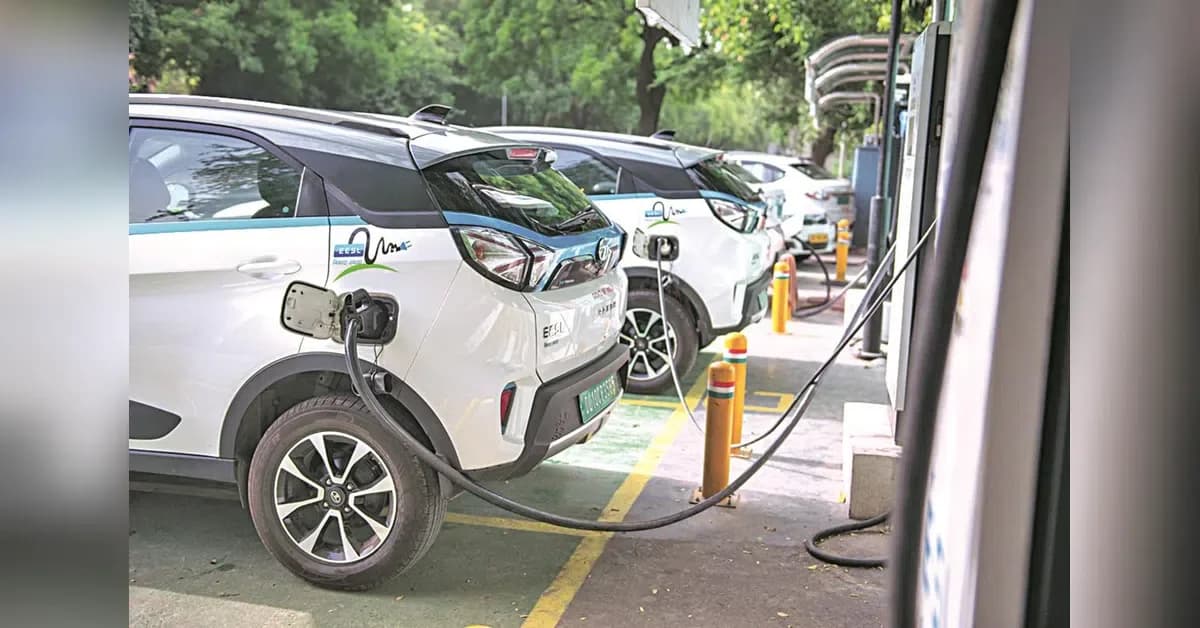
The electric vehicle segment experienced unprecedented growth with sales surging 75% in April 2026, marking a significant milestone in India's EV adoption journey. Tata Motors continued to lead this momentum as EV adoption accelerated across the country, with the company maintaining its position as the dominant player in the electric vehicle market. This dramatic growth suggests India may be finally entering its mass EV adoption era, with the combination of government incentives, improving infrastructure, and growing consumer awareness driving rapid adoption rates across the automotive sector.
In a significant strategic expansion, Tata Motors is reportedly gearing up to enter the motorcycle market with 110cc, 125cc, and 200cc bikes already in development. According to industry reports, this move is sending shockwaves through the auto world, with rival brands expressing unease about the potential disruption. The company's reputation for innovation, reliability, and affordability positions it well to revolutionize India's biking segment, building on its success in SUVs, EVs, and commercial vehicles. This expansion would mark Tata's entry into the fourth wheel category, following its dominance in trucks, electric vehicles, and passenger cars.
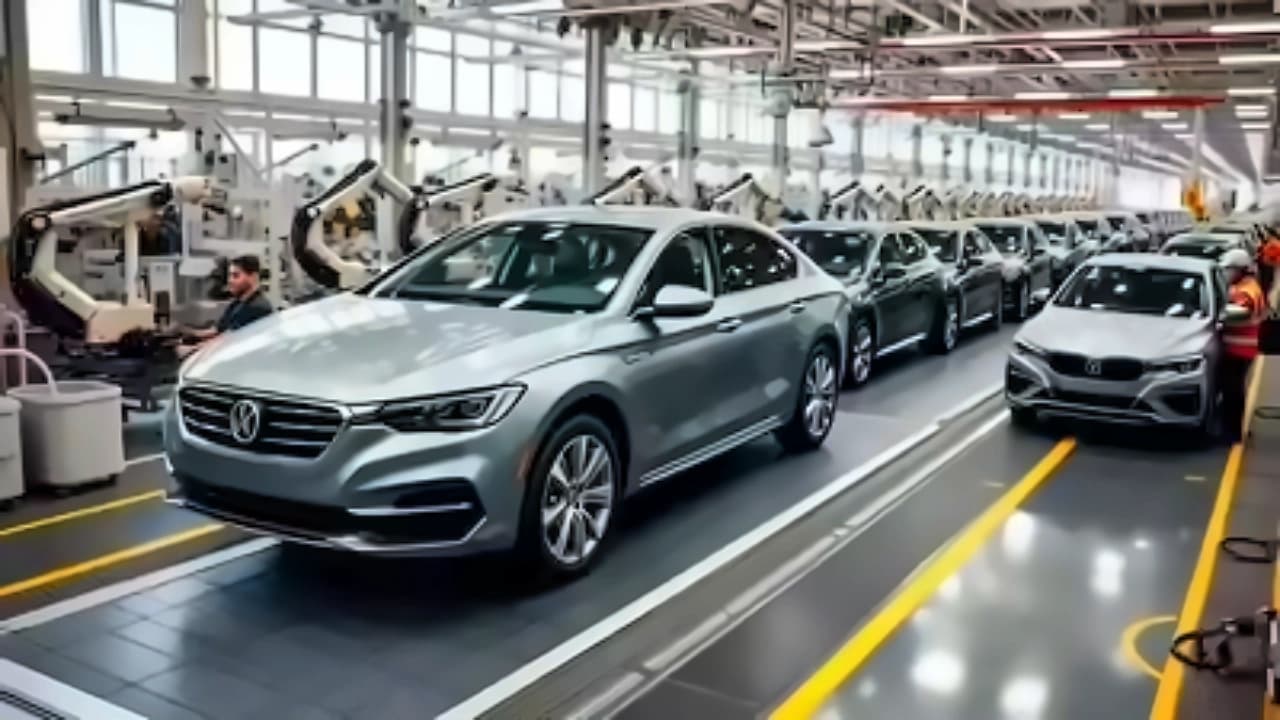
India's emergence as a manufacturing hub for global automakers became increasingly visible in export data, with total vehicle exports across categories jumping 38% to 6.28 lakh units in April. Passenger vehicle exports rose 13.3% year-on-year to 67,308 units, while automakers such as Hyundai Motor India and Tata Motors have steadily expanded India's role in their global supply chains. These companies are using domestic plants to ship compact SUVs, hatchbacks and electric vehicles to markets across Latin America, Africa, the Middle East and Europe. The export growth reflects India's strengthening position as a key manufacturing base for international automotive companies.
The two-wheeler segment posted robust growth with sales increasing 28.4% to 18.73 lakh units, according to SIAM data. Motorcycle sales rose 30.6%, while scooters gained 26.2%, demonstrating strong recovery across both segments. Exports from the two-wheeler segment jumped 38.3%, highlighting improving demand in overseas markets as well. Three-wheelers also recorded their highest-ever April sales, rising 32.8% to 65,668 units, aided by a sharp increase in goods carriers and passenger transport vehicles. Two-wheelers, often seen as the clearest indicator of mass-market demand, posted encouraging signals for the broader automotive sector.