India's electric vehicle market has achieved a landmark milestone with EV sales hitting a record 26,221 units in May 2026, representing a whopping 80% year-on-year growth that surpassed April's sales of 25,250 units. According to latest reports, electric two-wheeler penetration crossed 9% in May, marking a substantial increase from 4.7% in May last year and 7.8% in April this year. The electric light motor vehicle segment accounted for 6.9% of total passenger vehicle registrations in May, with electric carmakers registering 24,677 LMVs out of 354,691 total registrations. Nomura reports that EV sales in May reached 6.4% of passenger vehicle sales, compared with 4% in FY26, while HSBC estimated electric passenger vehicle penetration at 6.6% in May. HSBC noted that "The recent hikes in fuel pump prices has led to customer demand to incline towards purchasing an electric vehicle."
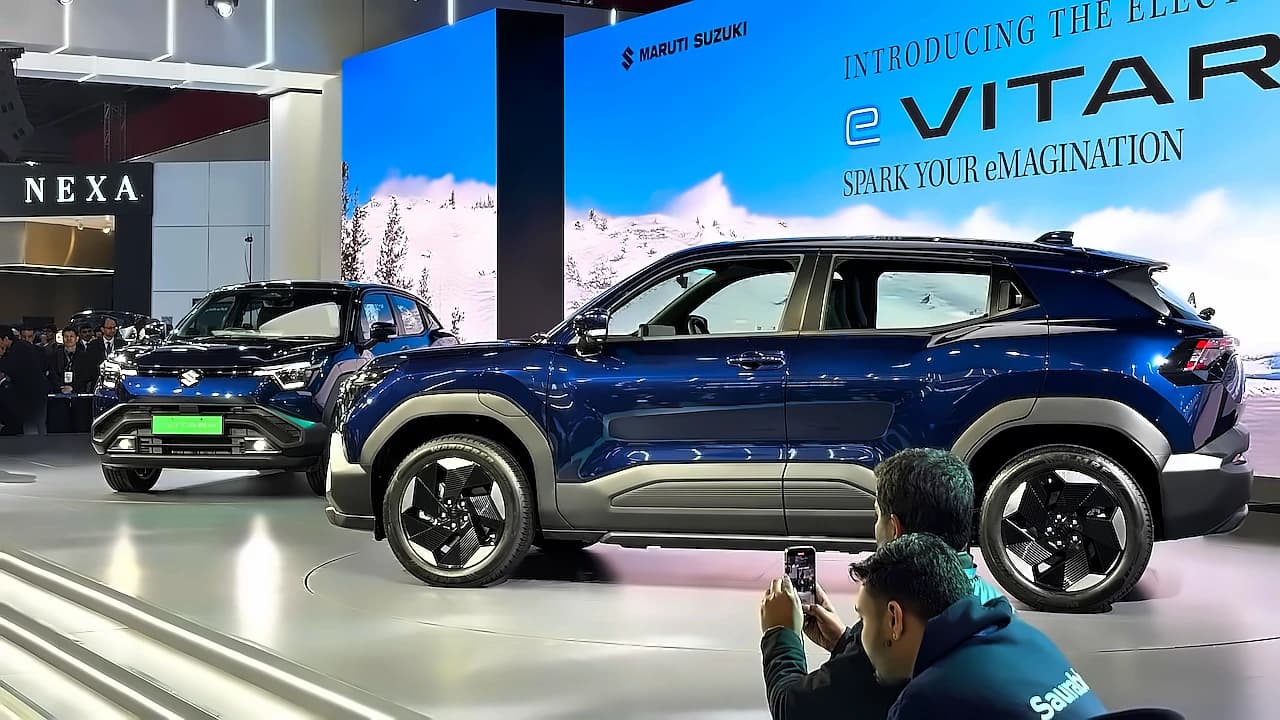
Despite recent fuel price challenges, Tata Motors has strengthened its market leadership position with 38% market share in the electric passenger vehicle segment. According to Vahan data, the company registered 24,677 LMVs out of total passenger vehicle registrations of 354,691 units in May. Mahindra & Mahindra secured the second position with 5,644 registrations, while JSW MG Motor India held the third position with 4,790 registrations. Maruti Suzuki, despite having only one electric model — the e-Vitara — registered around 1,500 vehicles in May, marking its best ever month with only one EV on sale. VinFast maintained steady performance with 1,200+ units sales, while BYD, Hyundai, Mercedes-Benz, and Kia recorded sales in the three digits range. Nomura reports that Tata Motors is seeing particularly strong demand in the sub-₹15 lakh segment and plans to increase EV production capacity from 10,000 units a month to 15,000 units.

According to latest reports, Tata Motors Passenger Vehicles Ltd has witnessed a dramatic 2-2.5 times jump in electric vehicle demand since the West Asia crisis began on February 28. As reported by NDTV Profit, Managing Director Shailesh Chandra confirmed that EV demand had already begun gaining traction even before the recent fuel price hikes, possibly in anticipation of higher running costs. The company is now preparing to enhance EV production by 50% in the next three to four months, up from the current 10,000 units per month to 15,000 units. Chandra noted that this shift is particularly pronounced as fuel prices remain volatile, with the recently launched Tiago EV positioned as an aggressively priced offering that is comparable to entry-level petrol variants on an ex-showroom basis. Nomura reports that Tata Motors EV sales grew 85% year-on-year, while EV bookings have grown 2.5 times over the past two months.
Recently, Tata Motors launched the Next Gen electric Tiago at a starting price of ₹6.99 lakh, along with petrol and iCNG variants priced at ₹4.99 lakh. As reported by NDTV Profit, Chandra stated that hatchbacks remain the gateway to personal mobility for millions of Indian families and this segment has received scarce attention from the industry. The new Tiago offers three distinct powertrains -- Petrol, iCNG and EV with two distinct customer journeys, targeting the sub-₹12 lakh segment where EV penetration remains below 2%. The best-selling EVs continue to be the Punch EV, Nexon EV and Harrier EV, while Mahindra has seen strong demand for its XUV 9e and 9S, and MG's Windsor is the best-selling car for them.
Despite recent fuel price challenges, Tata Motors remains optimistic about its growth trajectory for FY27. CEO Shailesh Chandra acknowledged that four fuel price increases in the last 10 days pose potential headwinds to the industry, but emphasized that the company's overall outlook remains unchanged. Chandra projected that EV penetration in the Indian passenger vehicle market, currently around 5-6%, could rise to 8-10% this year if supply constraints ease. The shift was equally visible in the two-wheeler market, with TVS Motor remaining the market leader with around 42,000 electric scooter registrations in May, followed by Bajaj Auto and Ather Energy. Ather's sales more than doubled year-on-year, helping it secure a market share of 16.5%. While rising commodity costs remain a concern for manufacturers, both Nomura and HSBC believe electrification is gathering pace, with Nomura stating that "EVs are at an inflection point" supported by favourable policy measures and growing consumer acceptance. The EV market expansion is further boosted by new launches, with Toyota recently entering the space with the Urban Cruiser Ebella, and more carmakers expected to join the segment.