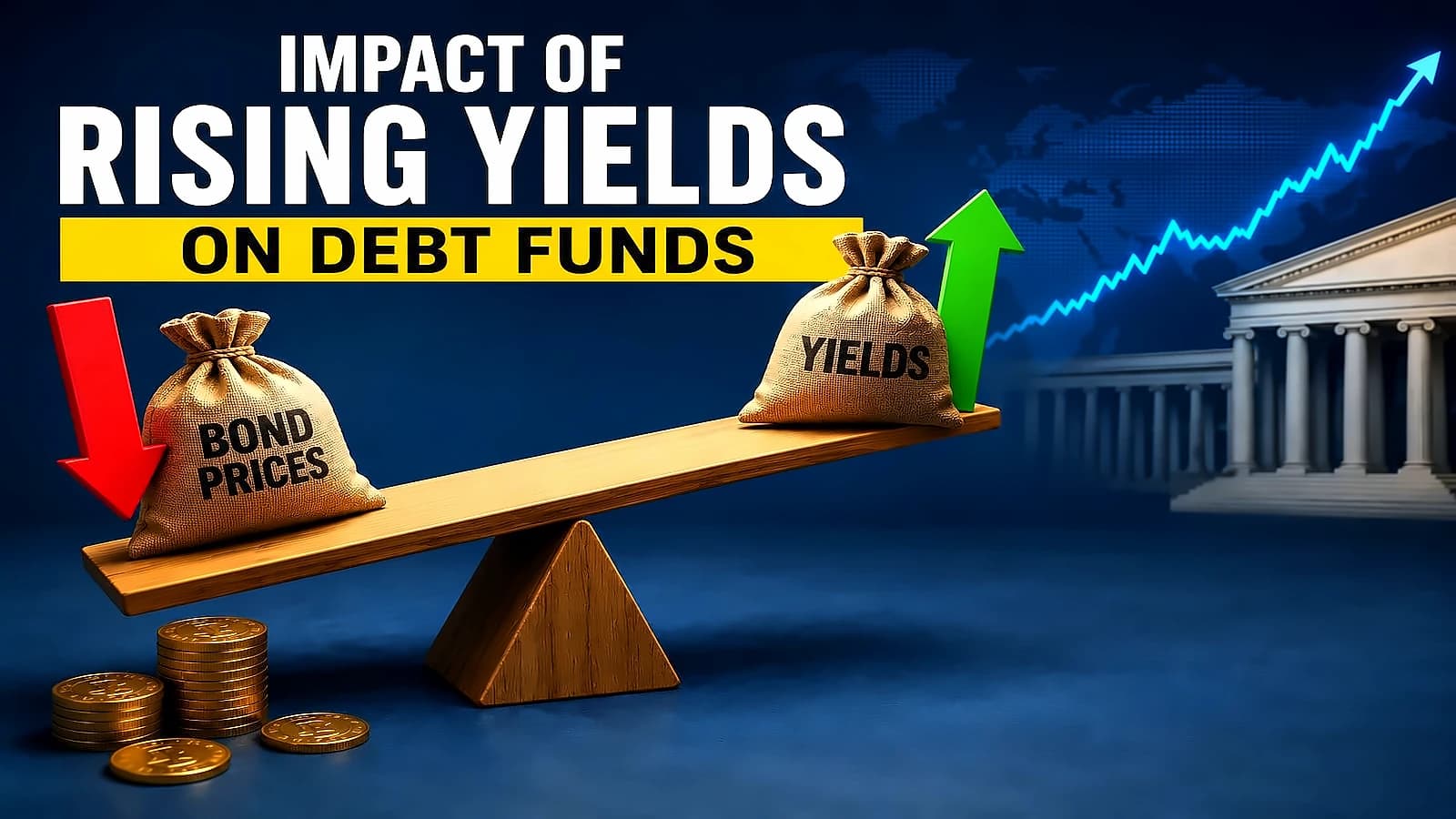
German government bond yields are rising for the fourth consecutive week as investors anticipate the European Central Bank will maintain restrictive monetary policy to combat inflation. According to Reuters, Germany's 10-year government bond yield rose 0.5 basis points to 3.36% and was on course for a weekly increase of 7.5 basis points, marking the biggest weekly increase since mid-July. The two-year German bond yield climbed 1 basis point to 2.96%, putting it on track for a 7-basis-point weekly rise, its steepest since mid-July. This sustained rally reflects growing expectations that central banks will need to keep interest rates higher for longer to contain inflation pressures in a resilient economy.
Government bond yields reached multi-decade peaks across major economies as a persistent selloff gathered momentum amid resurgent inflation concerns, higher oil prices, and intensifying expectations of central bank rate increases. The 10-year U.S. Treasury yield rose to 4.81%, while Germany's 10-year bund yield reached 3.375%, its highest level since 2011. Japan's 10-year yield remained above 3%, a level not seen in three decades, and U.K. 10-year gilt yields extended their post-2008 high to 5.25%. Australia's 10-year government bonds pushed up to 5.198%, a level last seen more than 15 years ago. The latest escalation came from US-Iran military clashes that broke weeks of relative calm, with the US military confirming completed strikes against Iran and Iran subsequently announcing missile attacks on a US air base in Jordan.

Market expectations for European Central Bank tightening have strengthened significantly, with traders pricing the ECB's deposit rate at around 2.73% by December, implying about a 90% probability of a second rate increase after September from the current 2.25%. According to Reuters, markets were pricing a policy rate of around 3% by September 2027, compared with 3.1% on Wednesday. A Reuters poll showed that the ECB is expected to raise interest rates on September 10 for a second and final time in what would be its shortest rate-hiking campaign in 15 years. The shift reflects growing expectations that policymakers may need to keep interest rates higher for longer to contain inflation, with the developments adding to concerns about the inflationary impact of higher energy prices.
Energy markets have reacted with extraordinary speed to the Middle East escalation, with oil prices heading for their steepest weekly gain since mid-July as renewed U.S.-Iran hostilities heightened concerns over potential disruptions to oil supplies from the Middle East. As per Reuters, Iranian sources indicated that a U.S. campaign aimed at putting further pressure on Iran's economy by restricting its oil exports and curbing sanctions evasion was becoming increasingly difficult for Tehran to withstand. The violent swings stem directly from fears of disruption to the Strait of Hormuz—the world's most critical oil shipping chokepoint—which now faces unprecedented uncertainty amid US-Iran military conflict. Diesel prices climbed to their highest level in more than four months, while European natural gas prices touched their highest since 2023.
Italy's bond market has demonstrated remarkable resilience despite the broader European tightening environment. According to Reuters, Italy's 10-year government bond yield was little changed at 4.18%, while the yield spread between Italian government bonds and benchmark German Bunds narrowed to 80 basis points from 81.7 basis points in the previous session. The relatively narrow spread indicates that Italian debt markets have remained resilient even as investors have increased their expectations for tighter monetary policy across the euro zone. This resilience suggests that while overall European bond markets face pressure from ECB tightening expectations, individual country spreads are not uniformly widening, with Italy showing particular strength.