
Market experts are now warning of a potential bond market crisis as global bond yields reach unprecedented levels. According to Scope Ratings lead US sovereign analyst Eiko Sievert, investors will be certain of a bond market crisis when central banks become involved in market intervention. As reported by Bloomberg, Sievert indicated that a significant warning sign is when monetary authorities can no longer refrain from responding to market turmoil, noting this measure of turmoil implicitly recognizes the current state of markets as relatively stable, albeit concerning. These comments came during a week when government bond yields reached their highest levels since 2008, the year marked by the global financial crisis. The warning underscores the severity of the current bond market selloff that has driven borrowing costs to multi-decade highs across the globe.
Fixed rate borrowing costs are climbing to multi-decade highs around the world as investors adjust to the prospect of structurally higher interest rates. According to Commonwealth Bank research, 10-year Treasury yields this week reached a near three-year high of around 4.8%, while Japan's equivalent yield moved above 3% for the first time in 30 years. Australia's 10-year government bond yield rose above 5.19%, its highest in more than 15 years. UK and German borrowing costs have also reached multi-year highs as investors confront higher energy prices, inflation risks and rising government debt. As CommBank Head of Market Strategy and Rates Research Adam Donaldson notes, what you're seeing is a change, a structural change that's occurred over a number of years, but a 30-year period where yields and interest rates were falling is now being reversed. The latest developments show bond prices experienced a decline in Asia and Europe, with the selloff attributed to the ongoing conflict in the Middle East, which has led to an increase in energy prices and heightened concerns regarding inflation.
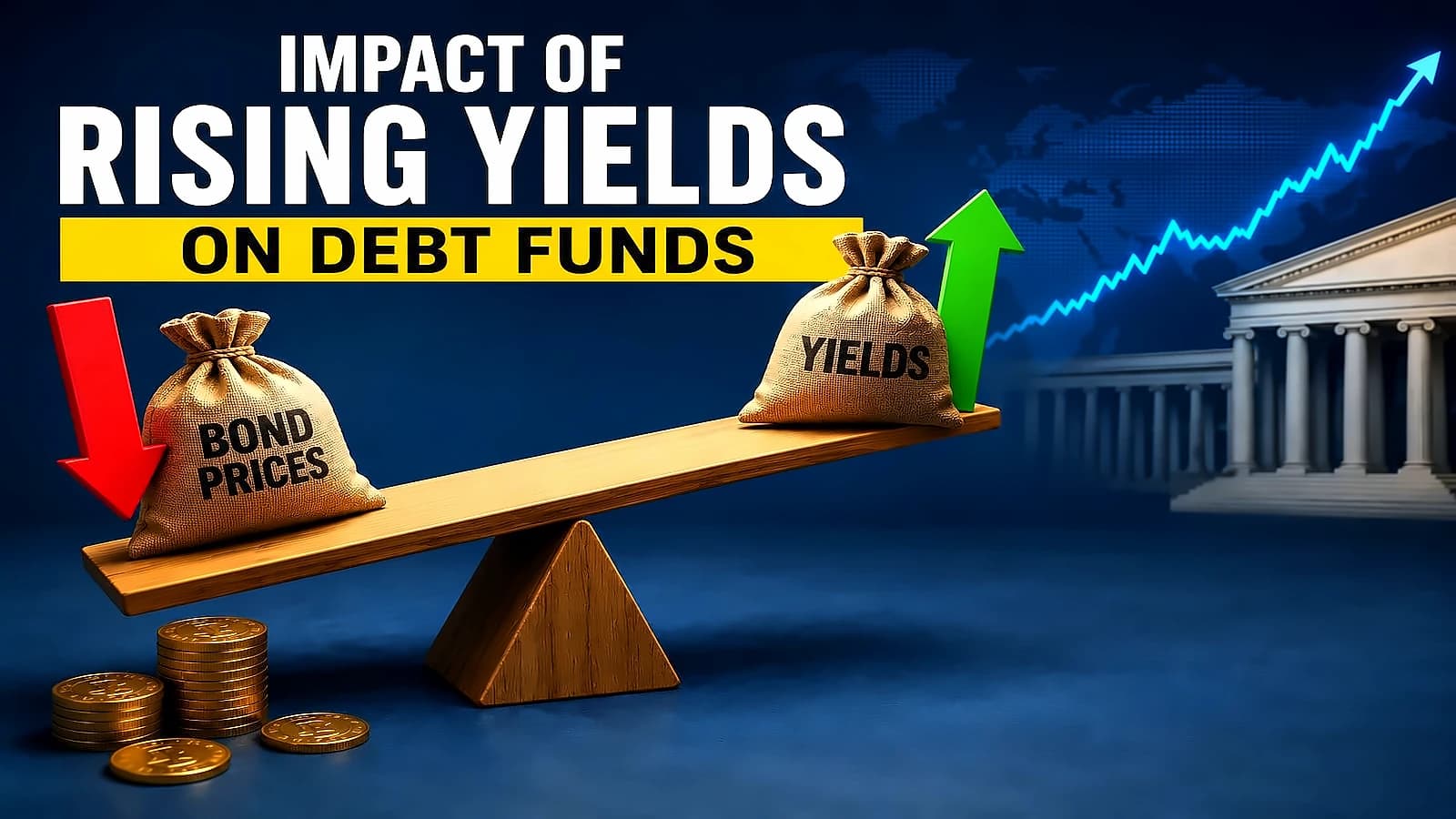
The primary catalyst behind rising Treasury yields is hawkish Federal Reserve policy and expectations of higher short-term rates. According to Schwab Center for Financial Research, most of the move up appears to be driven by a hawkish Fed and a higher expected short-term rate. Chairman Kevin Warsh reinforced this hawkish stance at the late-August Jackson Hole Economic Policy Symposium, stating that while summer inflation readings were better than expected, underlying trends haven't meaningfully improved. Investors' expectations for a September rate hike moved up sharply to nearly 67% after Warsh's comments, up from roughly 35% odds just a week earlier. The Fed's hawkish tone reflects concerns about nominal economic growth at 6.6% in Q2 and PCE inflation at 3.7% year-over-year in July, which remains well above the Fed's 2% target. However, Commonwealth Bank analysis reveals that much of the increase has come through higher 'real yields', the return investors demand after taking expected inflation into account, suggesting markets are reassessing how high central bank interest rates may need to average over the longer term.
A recent rise in US Treasury yields is partly reflecting growing investor expectations that R-star, the economy's neutral interest rate, may be moving higher, according to Reuters. R-star refers to the theoretical interest rate that neither stimulates nor restrains economic activity when the economy is operating at full potential. The New York Federal Reserve's latest estimates from its widely followed Laubach-Williams model put R-star at 1.65% in the second quarter of 2026, down slightly from 1.73% in the first quarter, though it has risen from 1.36% in the first quarter of 2025. Market participants believe the current neutral rate could be higher as hyperscalers such as Amazon, Microsoft and Google's parent Alphabet ramp up spending and borrowing to finance AI infrastructure, while the US government continues to issue large amounts of debt. Christopher Waller said on Thursday that he was likely to raise his estimate of the neutral rate, citing the lack of additional compensation investors receive for holding Treasuries amid concerns over the US fiscal outlook.
The potential for central bank intervention has become a key concern as global bond markets face unprecedented stress. According to Scope Ratings analysis, central bank intervention, or at least the potential for such action, has long been a component of Europe's strategies for managing crises. The euro zone's Transmission Protection Instrument was introduced in 2022 to allow officials to increase interest rates, while the Bank of England's time-limited purchases proved crucial during the gilt crisis later that same year. However, the US Federal Reserve lacks a similar mechanism, and Sievert suggests that a prolonged decline in confidence in the dollar as a reserve currency could serve as an alternative indicator. As noted by Scope Ratings, any 'Fed interference' would clearly signal a significant concern. Global policymakers are observing the current circumstances with apprehension, with BOE Chief Economist Huw Pill remarking that the greatest threat to central bank independence arises from governmental pressures to finance substantial fiscal deficits.
The elevated bond yield environment is translating into higher borrowing costs for consumers across multiple sectors. According to Mortgage News Daily, the average interest rate for a 30-year fixed mortgage reached its highest level since June 2025, standing at 6.89%, which is nine-tenths of a percentage point higher than before the Iran war. Each percentage-point rise in mortgage rates can impose thousands or tens of thousands of dollars in additional borrowing costs each year. Credit card holders are also feeling the impact, with the average interest rate on a U.S. credit card rising to 23.8% in August from July, marking the first monthly increase since May. The risk of prolonged inflation threatens to eat away at the value of long-term bond payments, which provide fixed annual amounts over 10 years or longer. Higher yields can also increase financial risk for less creditworthy borrowers, crowd out certain forms of investment, crimp consumer spending, and lower stock market valuations via higher rates of discount.
