Eurozone government bond yields edged lower on Friday but remained on track for weekly gains, as investors continued to grapple with renewed stress across global bond markets despite intervention by the U.S. Treasury. According to The Economic Times, Germany's 10-year government bond yield, the benchmark for the euro zone, was down 1 basis point at 3.2445% on Friday, having reached a fresh 15-year high earlier in the week. The yield had reached a fresh 15-year high earlier in the week and was heading for an increase of around 5 basis points over the week, which would mark its second consecutive weekly rise. Germany's 30-year bond yield was broadly unchanged at 3.7572%, while the two-year German bond yield, which is particularly sensitive to expectations for monetary policy, fell 1.2 basis points to 2.8233%. The turbulence intensified this week as concerns over persistent inflation and the prospect of increased government spending pushed bond yields higher across major markets.

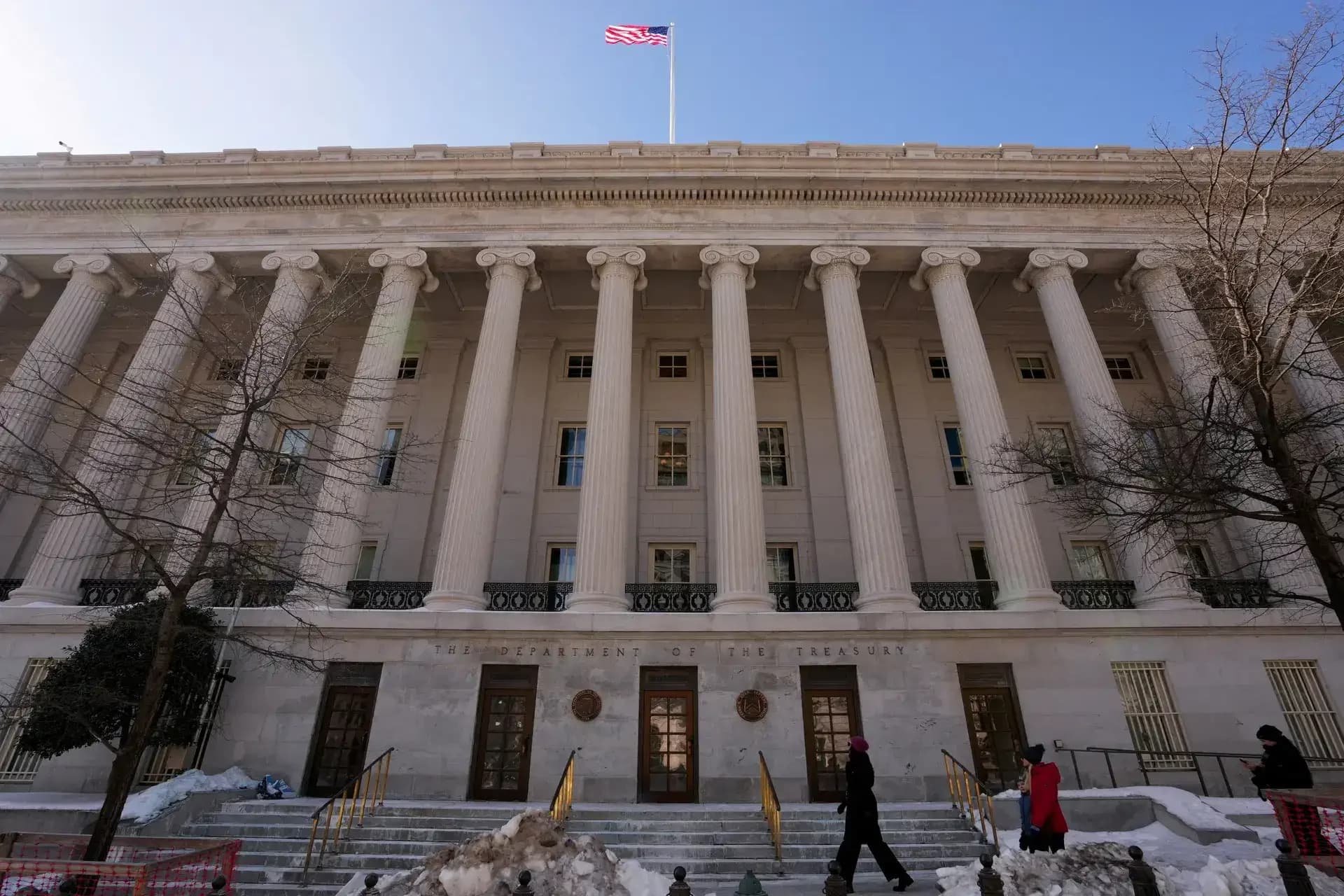
A surprise move by the U.S. Treasury on Wednesday to expand its purchases of existing government debt offered only brief relief, with U.S. Treasury yields resuming their climb a day later. According to The Economic Times, U.S. Treasury Secretary Scott Bessent indicated the government could increase its Treasury buybacks further while also raising the possibility of fiscal consolidation. The comments did little to ease broader concerns about the trajectory of government borrowing and inflation. Treasury yields have reached unprecedented levels, with 30-year yields climbing to 5.323% and marking the highest level since 2007. The 10-year yield also climbed to approximately 4.744%, producing a dramatic steepening of the yield curve that reflects structural concerns far beyond near-term monetary policy expectations.
Money markets were pricing in at least one further European Central Bank rate increase by the end of the year, with expectations for a rate hike at the ECB's September meeting having risen to more than 90%, according to market pricing cited by The Economic Times. The prospect of tighter monetary policy has contributed to upward pressure on shorter-dated government bond yields, while longer-term yields have also been influenced by global fiscal and inflation concerns. Rising oil prices and stronger ECB rate-hike expectations added pressure, with markets pricing over 90% odds of a September rate increase. Higher energy prices could complicate the outlook for European monetary policy, particularly if they feed through into broader inflation expectations.
Investors were also monitoring developments in the Middle East and their potential impact on energy prices, with Brent crude futures slightly lower at around $93.32 a barrel on Friday but remained on course for a second straight weekly increase. According to The Economic Times, a diplomatic stalemate between the United States and Iran has pushed oil prices higher again, adding another potential source of inflationary pressure for central banks. Reuters reported that Bessent said Washington would impose tough sanctions on Iran, with further details expected next week. Higher energy prices remain a persistent concern for investors, with Brent crude rising about 1% to $91.60 a barrel, close to its highest level since late July. U.S. President Donald Trump said on Tuesday that no talks were taking place with Iran and maintained that the Strait of Hormuz was open, while Iran has said the strategically important waterway remained closed.
Fiscal risks remain comparatively less pronounced in the eurozone than in the United States, where government debt as a share of economic output is substantially higher. According to The Economic Times, that difference has limited some of the upward pressure on longer-dated euro zone borrowing costs relative to their U.S. counterparts. The combination of elevated energy prices, persistent inflation risks and renewed volatility in global bond markets is likely to keep euro zone debt markets under close scrutiny in the weeks ahead. The closely watched spread between France's 10-year yields rose to its highest since October 2025 on Tuesday above 86 bps, with the French budget season and next year's elections looming large contributing to the elevated yields.