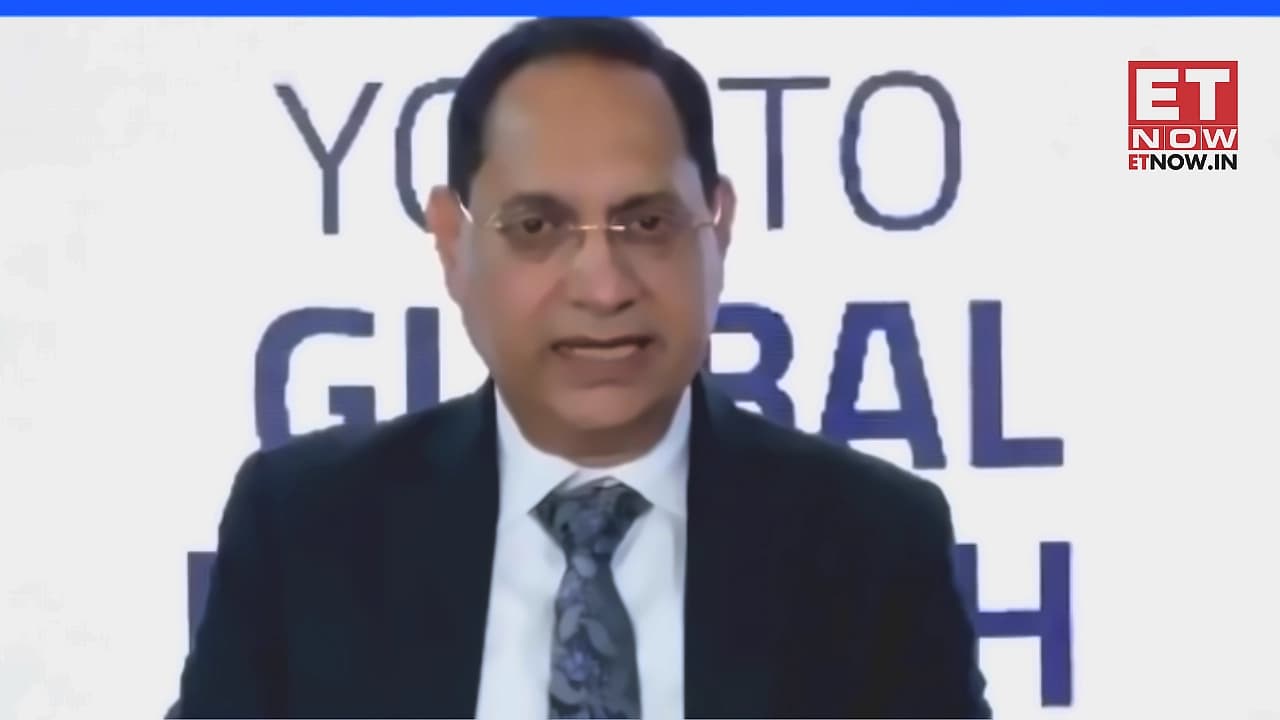
RBI Executive Director P. Vasudevan highlighted significant progress in India's tokenization journey while identifying critical implementation challenges. Speaking at the Global Fintech Fest 2026, Vasudevan revealed that the RBI has already processed 248 certificate-of-deposit transactions worth ₹17,000 crore through its Unified Markets Interface. Notably, about two-thirds of these transactions occurred in the secondary market, demonstrating growing adoption beyond initial issuance. However, he cautioned that legal uncertainty, data privacy, liquidity, interoperability and the risk of excessive concentration pose significant challenges as India expands tokenization of financial assets.
The tokenization momentum gained significant traction with state-run power financier REC raising ₹500 crore through India's first pilot issue of tokenized corporate bonds. According to Live Mint, the bonds mature on May 31, 2028 at a coupon of 7.30%, with the issue having a base size of ₹100 crore and a green-shoe option of ₹400 crore. Similarly, Larsen & Toubro raised ₹500 crore on Wednesday through a similar mechanism, with bonds maturing in three years at a coupon of 7.40%. Unlike traditional bonds, these tokenized instruments enable digital recording and potentially near-instant settlement, with the underlying instrument remaining a bond where the issuer remains liable for coupon payments and principal repayment at maturity.
The tokenized corporate bond project utilizes the RBI's wholesale central bank digital currency for payment and a blockchain-based securities wallet, referred to as 'DEMAT 2.0,' for holding securities. As reported by Live Mint, only investors with active security and CBDC wallets are allowed to place bids for the issue. Vasudevan emphasized that tokenization can potentially cover the entire lifecycle of an asset from issuance and trading to settlement, interest payments and servicing. However, he raised concerns about avoiding fragmented or concentrated tokenization platforms, asking how to make interoperable platforms that do similar things, noting that interoperability has been one of the success stories of India's payments ecosystem and should not be lost in the move towards tokenized assets.
Vasudevan noted that markets in Europe, the UK, the US and Asia are experimenting with similar models, while cautioning that regulatory and financial-stability implications need to be considered. According to Live Mint, the RBI is also studying broader applications, including bank-deposit tokenization. He said the RBI is keen to expand the number of asset classes that can be tokenized, with tokenization of gold being looked at overseas. The executive director stressed that tokenization is for the future, while emphasizing that its expansion requires both optimism and caution, as increasing leverage could involve issues of risk or stability and if money moves too fast, it could be an element that requires careful consideration.
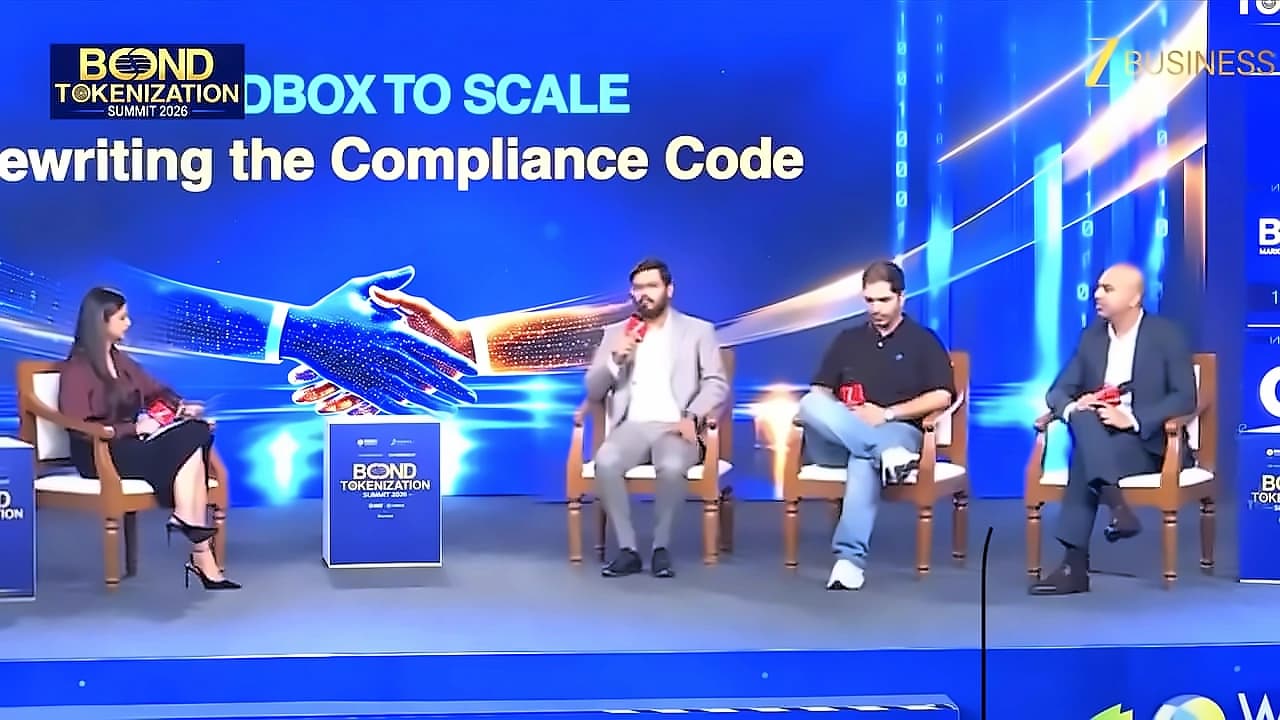
Vasudevan emphasized that the role of existing market intermediaries would have to be reimagined rather than simply eliminated. As reported by Live Mint, depositories, custodians, clearing corporations, and exchanges could potentially evolve into token service providers or offer tokenization as a service. He noted that tokenization could make financial transactions move faster and increase leverage, requiring careful consideration of risk and stability implications. The executive director concluded that tokenization is the process of representing an asset's ownership and transaction records digitally on a blockchain or distributed ledger, with the technology potentially allowing fractional ownership, potentially lowering investment sizes and broadening participation in corporate bonds.