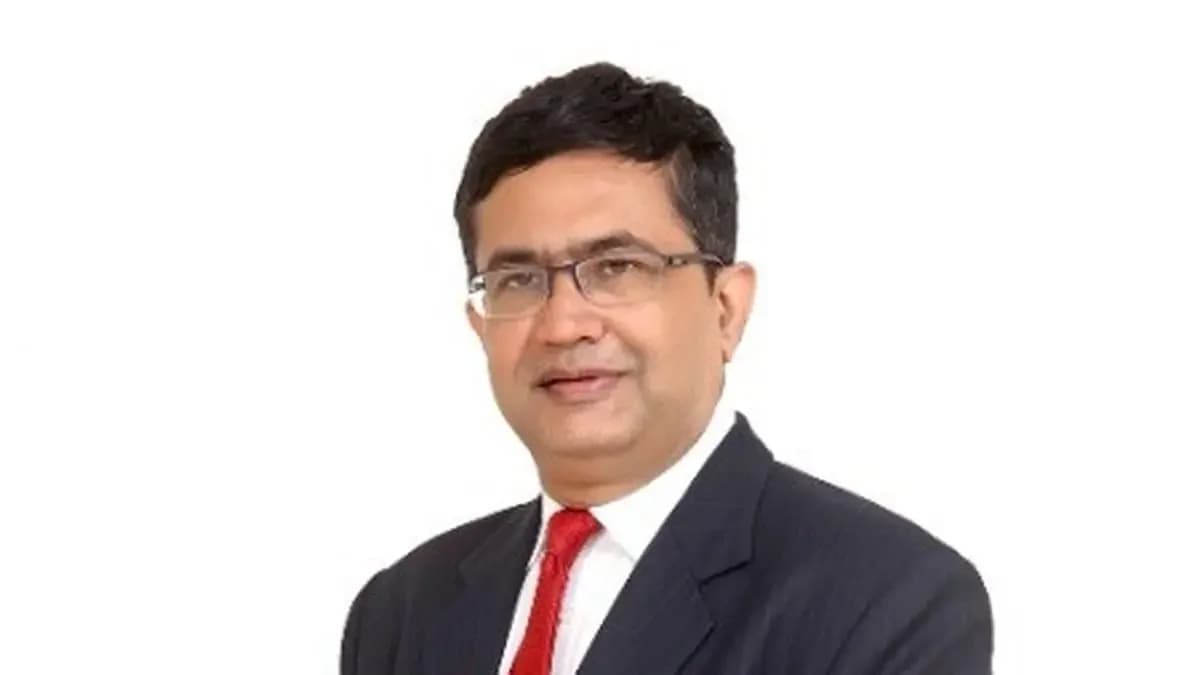
Tejinder Virk, Co-founder and CEO of Blockmaze, highlighted at the Zee Business Bond Tokenization Summit 2026 that tokenization has the potential to make India a world leader in digital assets, just as UPI's massive success put the country on the global map for digital payments. Speaking at the Mumbai summit on September 9, Virk explained that "UPI taught how to transfer money, Tokenization will teach how to invest." He noted that from less than 400 monthly transactions since inception, India's UPI grew to process ₹2,600 crore (26 billion) transactions in July alone, accounting for more than 50% of all digital payments globally. The success of UPI lay in its simplicity, completely bridging the gap between rural villages and modern cities, allowing farmers in remote villages to instantly transfer money to relatives across states.
Kanhaiya Singh, Co-founder of E-Sutra, revealed at the summit that India has the capacity to tokenize a staggering $600 billion in real-world assets, highlighting the country's immense financial potential. According to Zee News reports, Singh distinguished tokenized real-world assets from cryptocurrencies, explaining that "cryptocurrencies are purely native digital codes. These are backed by nothing physical and are mostly unregulated. However, tokenization represents legal ownership of a tangible asset—like a corporate bond or property—within a strict government framework." This significant digital shift would unlock wave of new wealth-building opportunities for retail investors and major financial institutions, as experts emphasized that "this significant digital shift would unlock wave of new wealth-building opportunities for retail investors and major financial institutions."
CA Sonu Jain of Tikka highlighted that the regulatory environment is the primary determinant for digital bonds' success. As reported by Zee News, Jain explained that when evaluating tokenized financial assets, the fundamental question boils down to legal security and accountability. He emphasized that the industry is not inventing entirely new financial instruments, but upgrading technology while maintaining the core asset as bonds. The recent REC Limited pilot bond issuance by the state-owned entity reveals the current regulatory vacuum, operating without SEBI-approved frameworks for standard public offerings. REC raises around ₹1 lakh crore annually through the bond market, according to the panel, and REC Executive Director Mohan Lal Kumawat confirmed that a tokenized bond transaction was completed in around two hours, significantly faster than traditional processes. Over the 20-day pilot, 20 institutional investors were mapped, and 18 received their allotments almost instantly, with the digital wallet network expanding from just one bank to five major banks by the pilot's conclusion. The panel noted that Prime Minister Narendra Modi's view that tokenization could emerge as one of India's next major areas of innovation, following developments in fields such as agentic artificial intelligence and quantum computing.
Tokenization has significantly democratized bond investment accessibility for retail investors, with experts highlighting the potential for small savers to access AAA-rated tokenized bonds offering yields of around 9%, depending on market conditions and regulatory approval. According to Zee News reports, Jain cited the example of investors who regularly save ₹1,000 through kitty parties or other household savings, noting that such amounts could potentially be directed towards tokenized bonds. The panel compared the possible impact of tokenization to the introduction of dematerialised securities, where while investors were initially hesitant to shift from physical share certificates to demat accounts, digital trading has since become mainstream. Tejinder Virk emphasized that "If a green infrastructure project is built in Mumbai or government institutions like REC issue tokenized bonds, investors from all over the world can directly put money into India under safe and legal regulations." Inside Blockmaze's blockchain, all government rules such as KYC, stamp duty, and STT are already integrated through coding, eliminating scope for fraud or tax evasion. The technology expert noted that such a model could eventually allow small savers, including households and homemakers, to allocate modest amounts towards highly rated fixed-income products.

Virk shared that his company Blockmaze has developed the world's largest tokenized ecosystem by complying with government regulations across the globe. The network is registered and licensed under government rules in 42 countries (Europe, Middle East, North America, Mauritius) and has tokenized 70% of the world's stock markets (assets worth approximately ₹100 trillion), where legal settlement of a trade is completed in less than 6 seconds without any middlemen. He explained that "The biggest reason behind crypto's inability to grow was the lack of legal recognition." Virk noted that Indians living in Gulf countries send around ₹135 billion to India every year, and through tokenization, they can legally invest directly in India's infrastructure projects without the months-long process of opening accounts and completing KYC requirements. The experts estimated that the investor base could expand from around 5 crore currently to 15–20 crore as smaller investors gain easier access to digital fixed-income products, with the broader message that tokenization could help bridge the gap between India's large pool of financial assets and millions of retail savers.