China's attractiveness to foreign investors has reached unprecedented levels, with total accumulated foreign direct investment (FDI) exceeding $3.6 trillion as of the latest data. According to the Ministry of Commerce (MOFCOM), over 530,000 overseas-invested enterprises now operate in China, representing a significant expansion from previous years. In the first four months of 2026 alone, 20,113 overseas-invested enterprises were established, marking a 6.8% year-on-year increase. More notably, more than 3,000 overseas-invested enterprises further expanded their investment during this period, demonstrating the growing commitment of multinational companies to China's market opportunities.
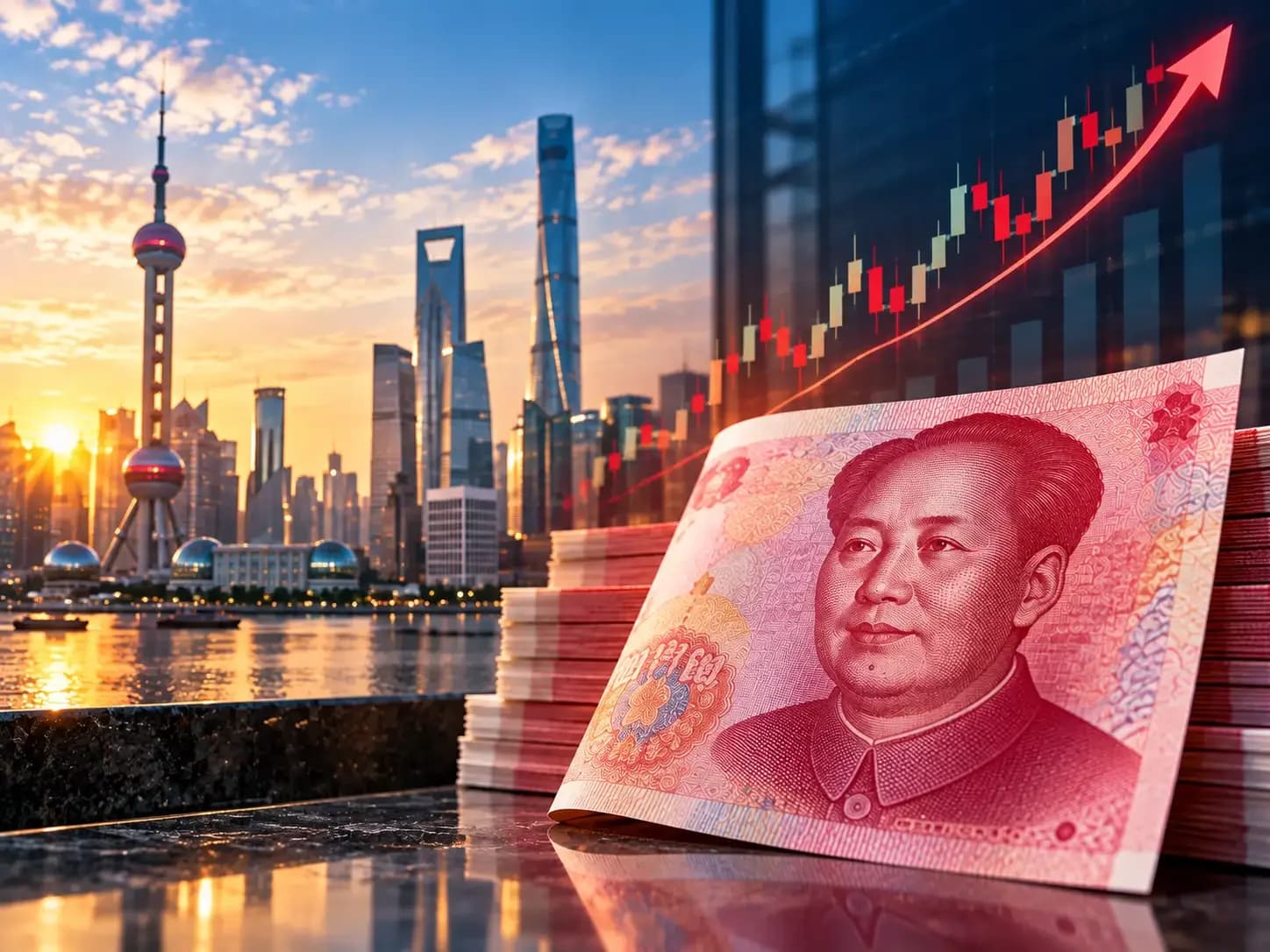
The Chinese currency has demonstrated robust performance this year, rising more than 3% against the dollar driven by strong tech exports. As reported by Bloomberg, the offshore yuan traded around 6.76 per dollar on Tuesday, near the strongest in more than three years. A Bloomberg index shows the yuan's real effective exchange rate has strengthened about 3.7% year-to-date versus a basket of major trading peers on an inflation-adjusted basis. However, the gauge remains at levels last seen in 2013, when China's trade surplus was about one-fifth of its present level.
The surge in yuan usage in global trade has been particularly notable since the Middle East conflict erupted. According to DBS Group analysts, approximately 920 billion yuan worth of transactions were processed on an average day through the Cross-Border Interbank Payment System in March, representing a record high and more than 48% increase compared with February before the war in Iran broke out. This growth reflects China's expanding role in international commerce and the global AI investment boom powering new Chinese exports.
Foreign investment into China has shown remarkable growth across major economies, with investment from Luxembourg, Switzerland, France and the United States growing 110.3%, 60.8%, 58.3% and 24.5% year-on-year respectively in the first four months of 2026. As noted by MOFCOM, more than 8,000 overseas-invested companies made additional investment within their original business scope last year, up more than 10% year-on-year. U.S. investment is particularly pivoting toward hi-tech sectors, new energy, biomedicine and high-end consumer goods, driven by China's complete industrial chain, vast consumer market, and strong policy support for hi-tech industries.

Deutsche Bank's Sameer Goel notes that yuan internationalization is a clear policy priority with an expanded role in cross-border trade and investment creating sustained demand. The Chinese currency is also attractive from a valuation standpoint, with the yuan's real effective exchange rate more than 13% below its historic peak reached in March 2022. Looking ahead, China will continue to improve its negative list management system for cross-border trade in services and expand opening up in sectors such as telecommunications, Internet, education, culture and healthcare during the 15th Five-Year Plan period (2026-30), according to Vice Minister of Commerce Yan Dong. This comprehensive approach is expected to attract more multinationals to locate their research and development and manufacturing operations in China, enabling foreign investment to gain stronger innovation momentum.