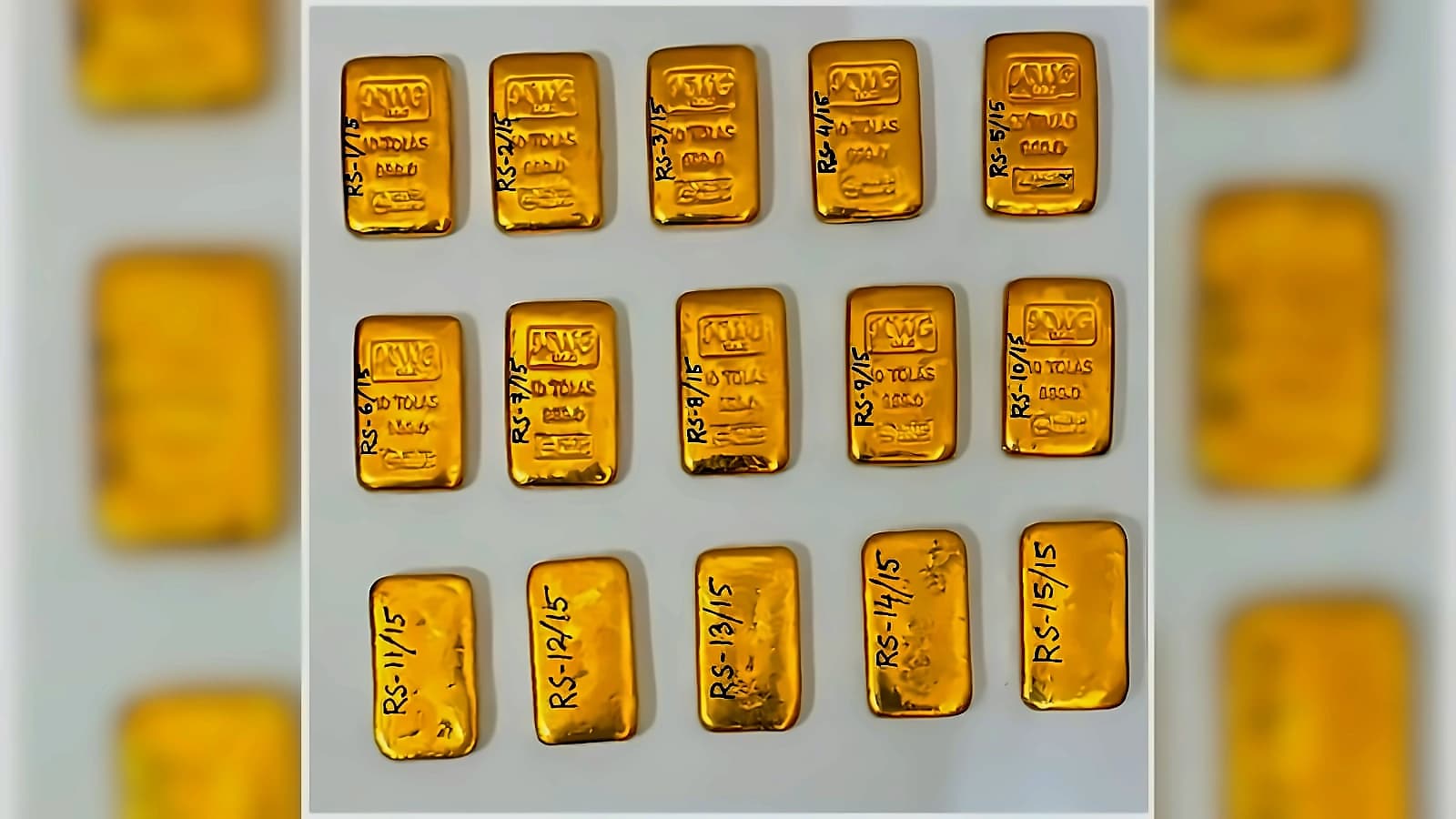
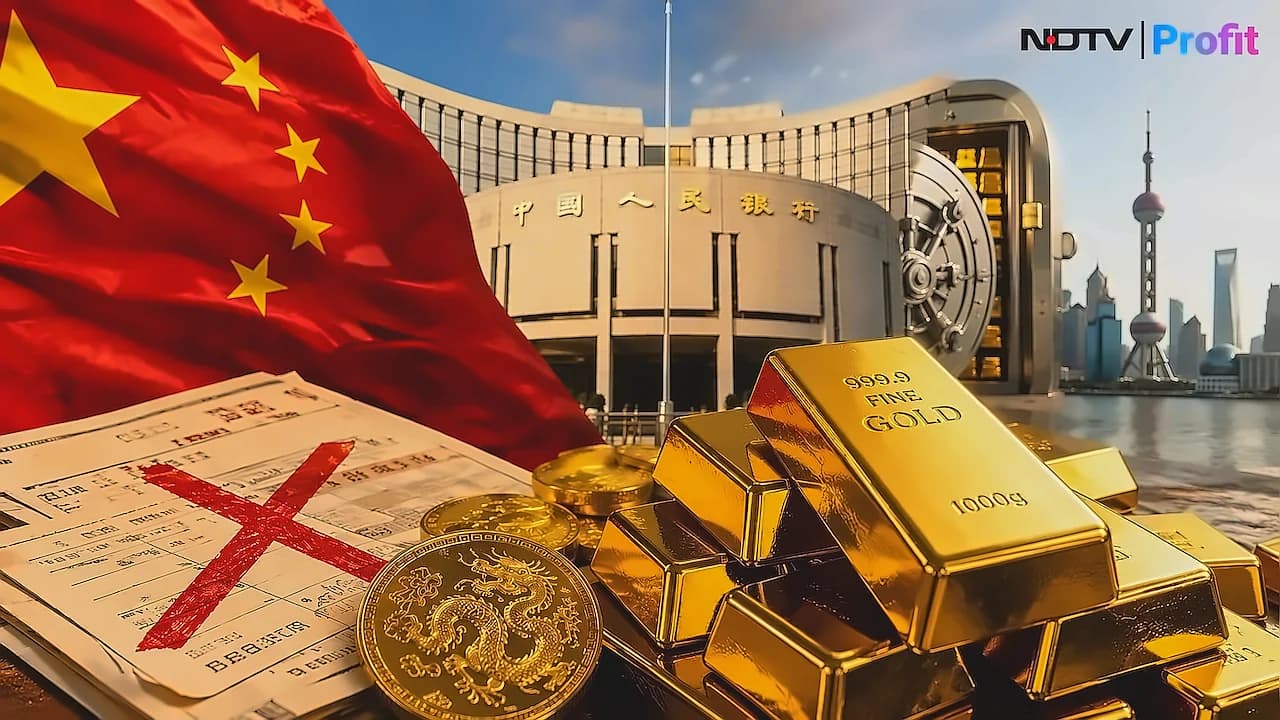
China imported a record $158.8 billion worth of gold between January and August 2026, according to customs data cited by CNBC. The country imported more than 1,000 tonnes during this period, already exceeding the 886 tonnes imported in the entire 2025, valued at $96.5 billion. The People's Bank of China (PBOC) purchased about 23 tonnes of gold in September alone, marking its biggest monthly purchase in nearly three years and the 23rd consecutive month of buying. This massive buying activity supports global gold prices as Chinese gold reserves continue their upward trajectory, with the country now holding 2,410 tonnes of gold. As per TradingView News, China's central bank has extended its gold-buying streak to 23 consecutive months, with the PBOC's main motive being political, citing "the weaponization of the US dollar and the related desire to be less dependent on US Treasuries as a reserve asset."
China's gold buying is partly driven by efforts to reduce dependence on the US dollar, according to Carsten Menke, an analyst at Julius Baer Group, as reported by CNBC. The freezing of Russia's central bank assets by Western governments following Moscow's 2022 invasion of Ukraine highlighted risks of keeping national reserves in assets held abroad. China has also reduced its holdings of US government debt, with its US Treasury holdings falling to an 18-year low of $618 billion in July. According to TradingView News, the PBOC's main motive was political, citing "the weaponization of the US dollar and the related desire to be less dependent on US Treasuries as a reserve asset." Gold offers central banks an alternative reserve asset that is not another country's liability, though its price can fluctuate sharply.
China's gold reserves have reached a record 2,410 tonnes, making it the world's fifth-largest gold holder. According to The Kobeissi Letter, if current purchasing trends continue, China could overtake France and Italy by the end of 2026. The gap between China and France is currently 27 tonnes, while Italy holds 2,452 tonnes of gold, putting it 42 tonnes ahead of China. China bought more than 103 tonnes of gold by September, with the PBOC purchasing more than 20 tonnes each month in July and August. The United States, Germany, Italy and France currently hold larger gold reserves than China, but the country's consistent buying pattern positions it for significant gains in global rankings.
Gold purchases by Chinese central banks and consumers have helped support prices even as US bond yields remain high and markets anticipate further Federal Reserve tightening. However, gold has experienced sharp corrections, with prices falling more than 8% in September to around $4,176 an ounce after touching a record above $5,500 in January. Doshi expects gold to trade between $4,750 and $5,500 per troy ounce by the end of the first quarter of 2027. "Chinese buying has become an important source of structural support for gold prices," Ewa Manthey, commodities strategist at ING Bank, told CNBC. The World Gold Council's July outlook showed global gold demand, including over-the-counter investment, was flat at 1,269 tonnes in the second quarter, with demand in the first half rising 2% to 2,522 tonnes worth a record $380 billion.
Indian gold prices are influenced by international rates, currency movements and domestic factors, making sustained Chinese buying potentially supportive for Indian prices as the festive season approaches. However, as reported by CNBC, this does not guarantee price increases. MCX gold futures for December 4 delivery were down 0.46% at ₹1,50,800 per 10 grams at 9:03 am on Monday, October 12, while silver futures were flat at ₹2,25,509 per kilogram. In the spot market, gold closed at ₹1,48,909 per 10 grams on Friday, October 9, and silver settled at ₹2,21,191 per kilogram. Festive demand could provide additional support, but prices will remain sensitive to central bank buying, investment flows and expectations for US interest rates, with US consumer price index data due this week potentially offering fresh clues about Federal Reserve policy moves.