The AI selloff intensified significantly with the S&P 500 falling 4.4% and the Nasdaq 100 sinking 6.4% in its worst session since March 2020. According to Bloomberg, this represents a $2.3 trillion wipeout in tech sector value as investors fled from artificial intelligence investments amid speculation that congressional Democrats will clamp down on the industry. The Nasdaq 100 had previously fallen 5.5% on Thursday, but the latest session saw even steeper declines. A key gauge of chip giants tumbled 12%, while Tesla and SpaceX slid at least 9%. The trigger for the retreat was a Democratic sweep in Congress that hammered US stocks on Thursday, with the Nasdaq recording its deepest one-day drop since "Liberation Day" in April 2025. Fears of tighter scrutiny of the artificial intelligence industry, particularly around data centre construction, has roiled global markets this week.
Neil Parker, the top dollar-yen forecaster in Bloomberg's latest rankings, predicts the Japanese yen will rally toward 147 per dollar next year as Japan's interest-rate gap with the US narrows. According to Bloomberg, Parker expects the Bank of Japan to raise its benchmark rate from 1.25% to at least 2%, potentially 2.25%, a more aggressive outlook for tightening than much of the market expects. The Federal Reserve may raise interest rates once more in December before stopping at around the 4.00-4.25% range, according to Parker. He noted that Japan may prove to be an outlier in terms of the Bank of Japan actually delivering on its promise to bring interest rates into line with where inflation is. Parker's forecast puts him at the bullish end of a deeply divided market, as Bloomberg's top forecaster in the previous quarter sees the yen weakening as far as 170 next year.
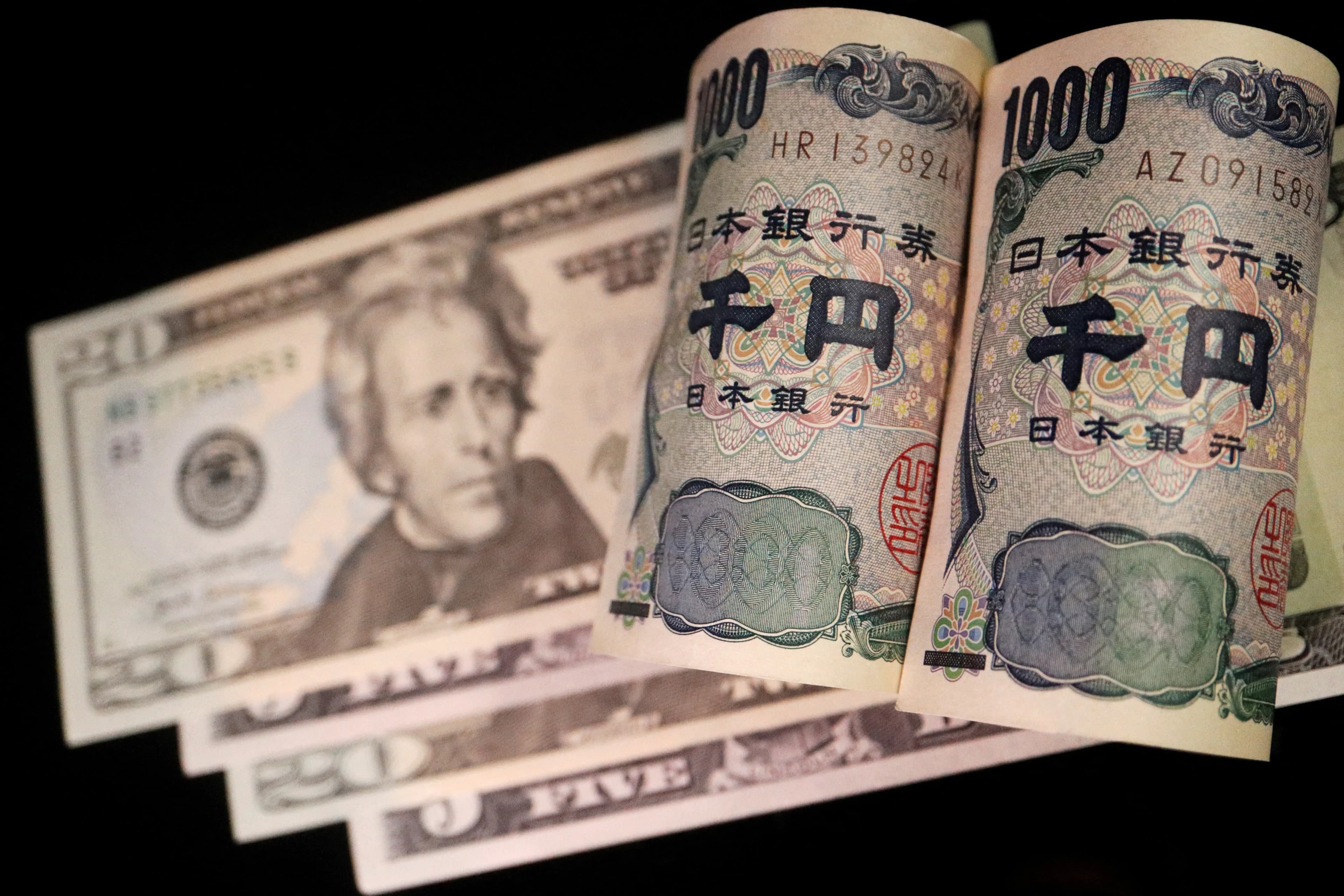
The Japanese yen rose 0.2% to a one-week high of 157.40 against the US dollar before reversing some of that gain, outperforming all of its Group of 10 peers. According to The Economic Times, the yen's strength came after a Democratic sweep in this week's US midterms led to concerns about artificial intelligence investments that hit US stocks. The Swiss franc firmed 0.2% against the US currency, while the dollar index, which measures the greenback against six peers, was roughly flat at 101.55. As reported by Bloomberg, OCBC analysts noted that "The AI selloff is creating competing forces for the dollar. Falling US yields are blunting the dollar's safe-haven appeal, leaving the yen as the standout hedge against more US-centric volatility."
The flight to safety drove significant moves in bond markets, with the 10-year Treasury yield declining to 4.84% in Asian morning trading, near its lowest level since September 10. The two-year yield, which is more sensitive to interest rate expectations, fell about 10 basis points overnight to 4.47%. According to The Economic Times, this move in bonds also reflected a repricing of Federal Reserve expectations, with fed funds futures scaling back the probability of a 25-basis-point interest rate hike in December to around 70% from more than 80% on Wednesday. The improvement in bond yields signals a shift in market expectations for monetary policy.
Strategists at major financial institutions expect the yen's safe-haven appeal to continue, with Neil Parker from TTT Moneycorp predicting the yen will strengthen to around 155 by year-end before appreciating further toward 147 per dollar next year. As reported by Bloomberg, Parker expects another roughly 50 basis points of narrowing in Japan's interest-rate gap with the US — roughly the amount he expects by the middle to latter part of next year — could be enough to recalibrate investor expectations. Sarah Ying, head of foreign-exchange strategy at CIBC, stated that if the AI trade continues to unwind, investors will seek safer assets. She expects the yen to strengthen to 148 against the dollar by the end of 2027, representing a more-than-6% rise from current levels. OCBC analysts noted that "flows from Japan's Government Pension Investment Fund could provide another tailwind for the yen."
Despite the yen's strength, the broader US dollar showed mixed performance with the dollar holding steady against major currencies on Friday. As reported by The Economic Times, this comes ahead of Friday's US non-farm payrolls report, which investors will use to gauge the Federal Reserve's rate path. Recent data suggests improvement in the labour market, with weekly initial jobless claims falling by 6,000 to a seasonally adjusted 189,000 - matching a 57-year low in July and below the 196,000 estimate in a Reuters poll of economists. The euro remained stable at $1.1222, poised for a 0.5% rise for the week, while the sterling was up 0.1% at $1.3457 after the Bank of England raised its policy interest rate.