Crude oil futures have experienced a dramatic 5% decline to the lowest level in a fortnight as markets aggressively unwind geopolitical premium from energy markets. According to latest reports, this represents a significant escalation from the previous week's nearly 5% drop that had already provided crucial support for the yen's recovery. The latest collapse comes after Donald Trump announced on Saturday that a peace agreement between the United States and Iran had been "largely negotiated", later describing any eventual deal as "good and proper" and "the exact opposite" of the Obama-era nuclear agreement. This development has intensified the unwind in geopolitical premium that had already been underway, with the DXY-Brent crude correlation jumping to 0.89 over the past week, making oil prices the strongest positive relationship with the dollar index among major macro drivers. The oil price decline has also provided support for precious metals, with spot gold gaining over 1% to reach $4,560 and spot silver reaching $78 per ounce as both metals trade with an inverse correlation to oil prices since the start of the U.S.-Iran war.
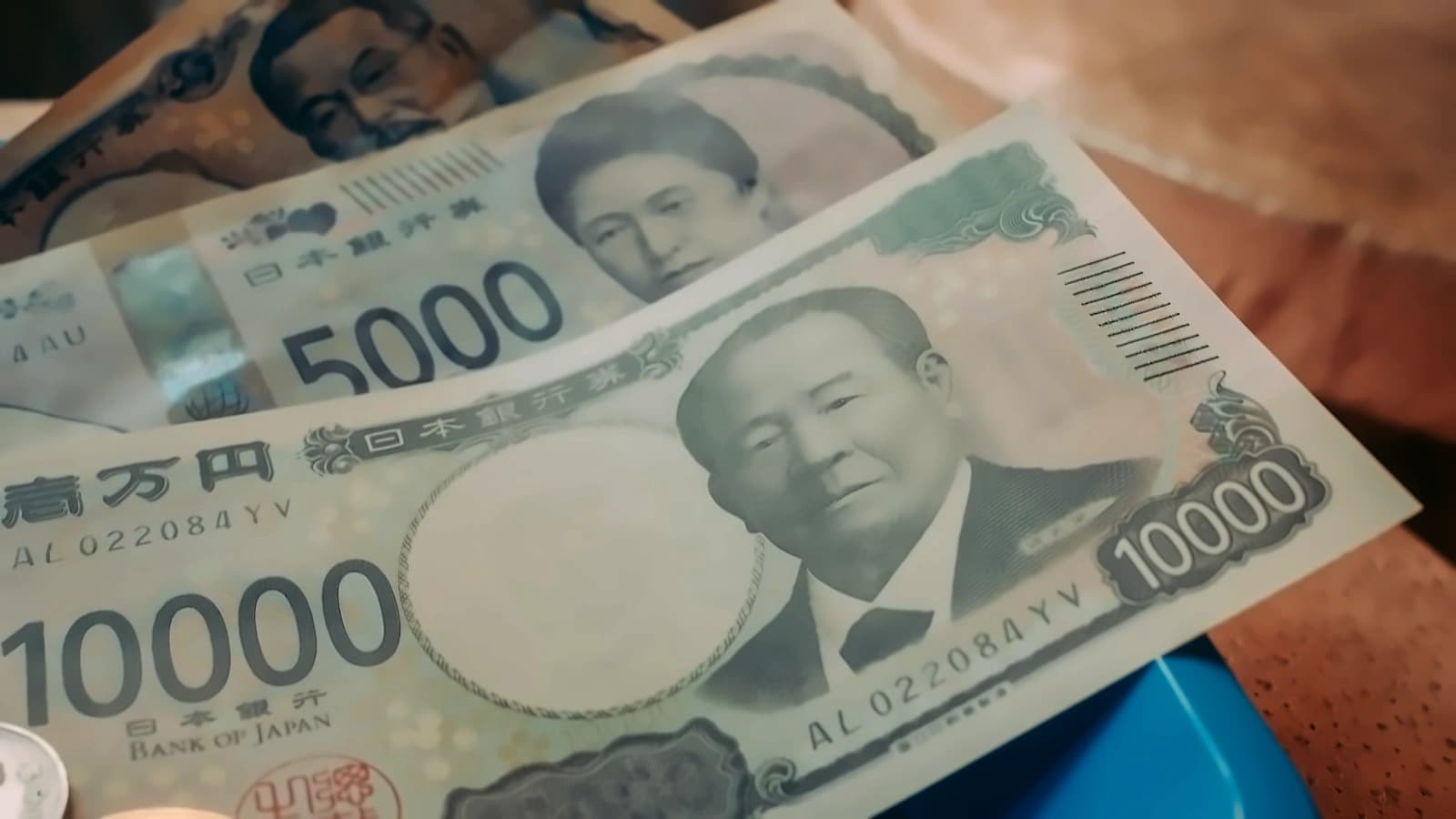
The Japanese yen's appreciation below the 159-per-dollar level has gained significant momentum as softer oil prices and renewed weakness in the US dollar improve sentiment toward the currency. The USD/JPY pair is trading around 158.90 during Asian hours, maintaining its downward momentum as the yen gains substantial support from the latest oil price collapse. This represents a continuation of the currency's recovery from recent three-week lows, with the yen benefiting from the broader dollar weakness that has emerged as safe-haven demand diminishes in anticipation of the US-Iran accord. The latest oil price decline has reinforced the yen's position as a beneficiary of reduced geopolitical tensions and improved risk sentiment across Asian markets, while also supporting precious metals through the inverse correlation effect.
Growing signs that the United States and Iran are moving closer to a diplomatic agreement are providing crucial support for the yen's recovery. Current reports suggest the two nations are nearing an agreement centered on a 60-day ceasefire extension, which would ultimately lead to the reopening of the strategic Strait of Hormuz. As part of this proposed deal, Iran would clear the mines it deployed in the waterway and permit free shipping passage, while the United States would respond by lifting its current blockade on Iranian ports. This development provides significant relief to major Asian oil-importing economies such as Japan, reducing geopolitical tensions that had previously pressured the currency. The latest oil price collapse has intensified market expectations around this potential agreement, with traders displaying the same asymmetric reaction function that has dominated markets for months, while the easing of Strait of Hormuz tensions has also supported precious metals prices through reduced inflation fears and reduced pressure on the Federal Reserve to raise interest rates.
Gold and silver prices have rebounded significantly as the weakening US dollar, lower Treasury yields, and falling oil prices provide strong support for precious metals. Spot gold gained over 1% to reach $4,560 while spot silver reached $78 per ounce, with both metals trading with an inverse correlation to oil prices since the start of the U.S.-Iran war. The precious metals trade has been consolidating at the edge of the ascending broadening wedge pattern above the $4,500 region, with a break below $4,500 potentially pushing prices towards the 200-day SMA at around $4,380. A break below $4,380 would likely take the price towards $4,000. The drop in oil prices eases inflation fears and reduces pressure on the Federal Reserve to raise interest rates, which is significant for gold as higher rates are negative for non-yielding assets. The gold price tends to see more buying when rate cut expectations rise and the US dollar weakens, making the current environment particularly favorable for precious metals.

Despite the yen's recovery, market participants remain highly alert to potential currency intervention by Japanese authorities, in case the JPY falls again toward the critical 160-per-dollar threshold that previously triggered Tokyo's market interventions in late April and early May. The Bank of Japan has directly intervened in currency markets sometimes, generally to lower the value of the yen, though it refrains from doing it often due to political concerns of its main trading partners. The yen's value is broadly determined by the performance of the Japanese economy, the Bank of Japan's policy, and risk sentiment among traders, making it one of the world's most traded currencies. With the latest oil price collapse and dollar weakness, the potential for further intervention remains elevated as markets continue to react to geopolitical developments, while the weakening dollar also provides additional support for the yen's recovery.