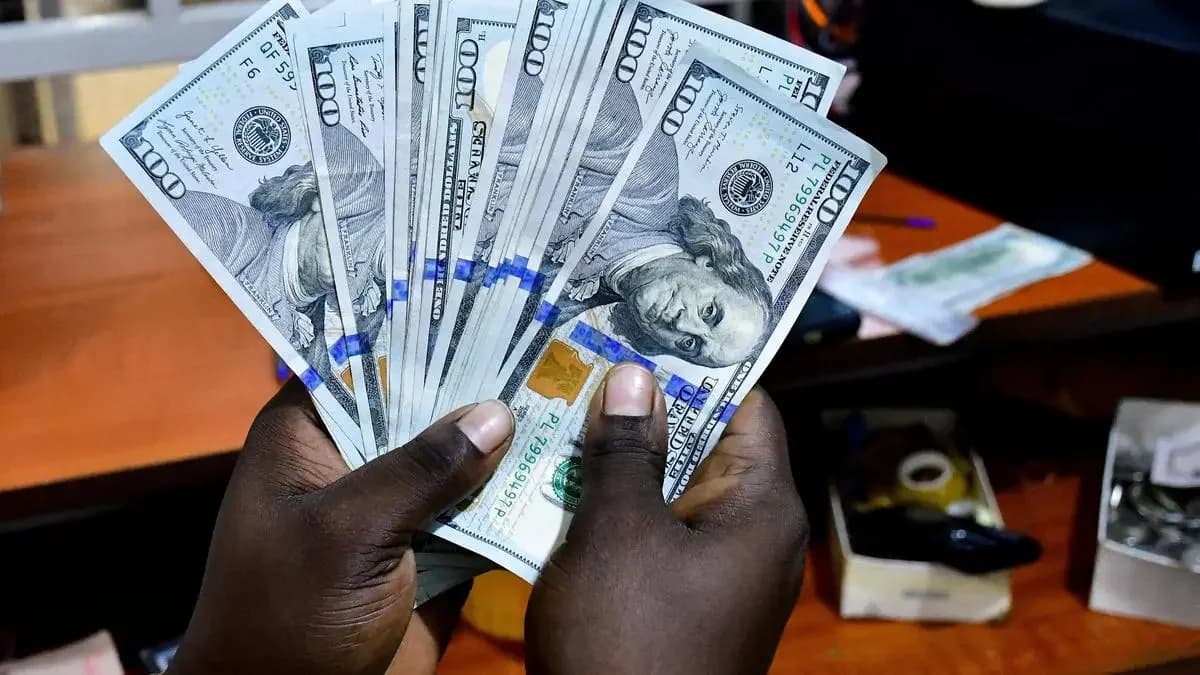
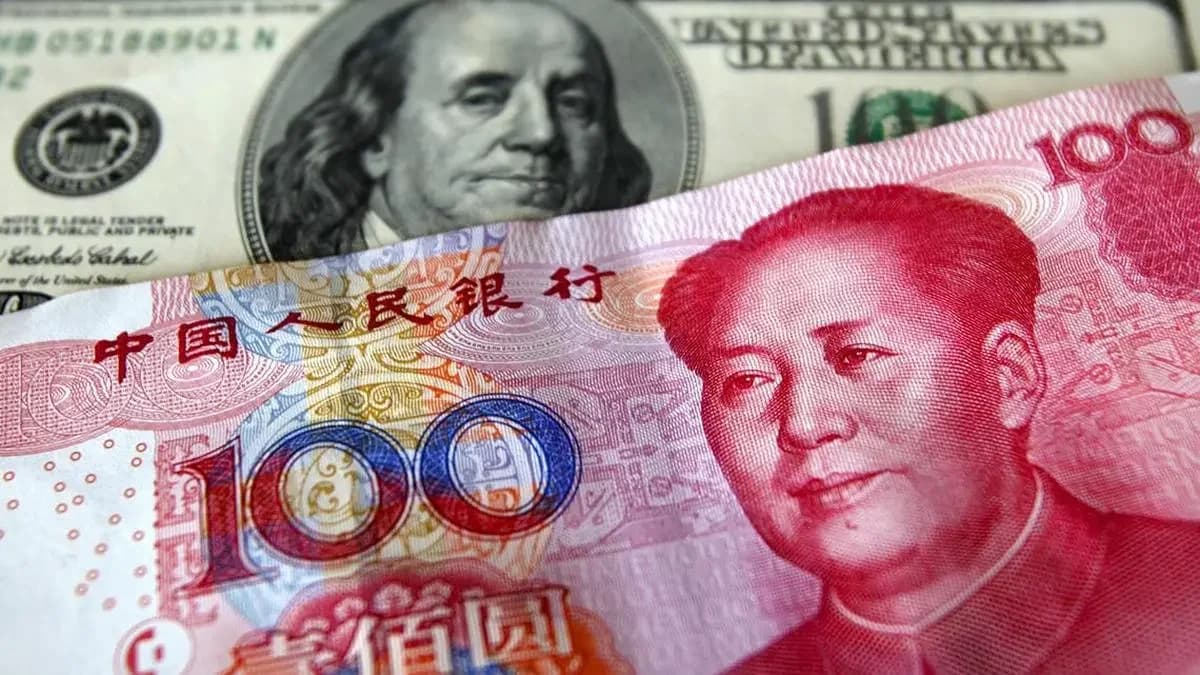
The US dollar rose for fourth consecutive day on Thursday, reaching 98.57 against a basket of currencies, up 0.7% for the week and heading for its strongest weekly performance since the start of the Iran war. According to Reuters, the dollar's rally has been gathering pace all week, driven by evidence that domestic inflation is mounting significantly. Markets are now pricing in a 35% chance that the Fed will raise rates in December, up from just over a 16% chance a week ago, as reported by LSEG data. The latest data showed US producer prices posted their biggest increase in four years in April, following Tuesday's report that showed consumer inflation ran at its fastest pace in three years. The US Dollar Index (DXY) is trading around 98.50, its highest level in more than a week, reflecting the broad-based strength across major currency pairs. As per Reuters, MSCI's global equities gauge advanced with the dollar on Wednesday as investors assessed the hotter-than-expected inflation data while waiting for a summit between U.S. President Donald Trump and China's Xi Jinping.
The Japanese yen weakened toward 157.88 per dollar on Thursday, extending its decline despite Japanese authorities intervening several times in recent weeks to temper the dollar's strength. As reported by Reuters, the yen's decline comes as traders now price in the prospect of Fed rate hikes this year, with the dollar recovering 50% of the losses incurred since officials stepped in to prop up the yen. USD/JPY is trading around 157.88, up for a third consecutive day, with buyers gradually returning after the recent intervention-driven sell-off. The yen drew support from comments by Bank of Japan board member Kazuyuki Masu, who said the central bank should move to raise interest rates promptly if there are no clear signs of an economic slowdown. The Bank of Japan's April meeting summary had previously revealed policymakers discussed potential for further rate increases. However, Investing.com analysis notes that suspected intervention may have slowed USD/JPY upside temporarily, but with markets now pricing Fed hikes rather than cuts, Japan is once again finding itself fighting powerful macro forces.
US wholesale inflation recorded its fastest increase since 2022, while consumer inflation accelerated to 3.8% in April, the highest level since May 2023. According to Reuters, the inflation data has significantly altered market expectations for Federal Reserve policy. Carol Kong, a currency strategist at Commonwealth Bank of Australia, noted that "The inflation data we received this week certainly won't be welcomed by FOMC officials, including incoming Fed Chair Kevin Warsh." The US Senate approved Warsh as Fed Chair on Wednesday, putting the 56-year-old lawyer and financier at the helm of the central bank. Producer prices surged 1.4% in April, the largest monthly increase since March 2022, pushing the annual rate to 6.0%, the highest since December 2022, with MUFG noting that "the dominant macro story was a sharply hotter-than-expected US April PPI print - up 6% year-on-year, the fastest since 2022 and above all economist's estimates - driven by war-related energy costs feeding into freight prices." Importantly, the inflation pulse was not confined to energy, with services prices jumping 1.2%, the biggest increase in four years, while core goods prices excluding food and energy rose 0.7% on the month and 4.6% from a year earlier, pointing to broadening upstream price pressures across the economy.

The hotter-than-expected inflation data has triggered a significant repricing of Federal Reserve policy expectations, with traders adding around 20 basis points of tightening over the coming year. According to MUFG, "More broadly, the higher-than-expected CPI and PPI readings this week pushed traders to price in approximately 20 basis points of additional Fed tightening over the coming year, drove 10-year Treasury yields to their highest since July, and sent 30-year Treasuries clearing at 5%." Boston Fed President Collins flagged that rate hikes may be necessary if inflation pressures broaden, though she noted the current shock has masked evidence that underlying inflation was still trending down. The surge in Treasury yields reflects growing market confidence that the Fed will need to act more aggressively to combat persistent price pressures, with the 10-year yields at their highest since July signaling a significant shift in monetary policy expectations.
Despite the inflation concerns, technology stocks demonstrated remarkable resilience on Wednesday, with the S&P 500 and Nasdaq closing at fresh records on Wednesday, driven by AI optimism and Cisco's 15% surge after a strong earnings beat and raised guidance. As per Reuters, "In the face of continued hot inflation data, technology remains resilient," said Ryan Detrick, chief market strategist at Carson Group in Omaha, Nebraska. "And after some weakness yesterday, the chip stocks came soaring back today." This resilience comes as investors grapple with conflicting forces, the concerns around inflation and what that will mean for Fed policy and rates, as noted by Jim Baird, chief investment officer at Plante Moran Financial Advisors. The technology sector's strength provides a counterbalance to inflation concerns, though it reflects broader market dynamics where investors are weighing the impact of persistent price pressures against the potential for monetary policy tightening.