According to a recent note by Jefferies, the sharp fall in the Indian rupee has been primarily driven by strong domestic systematic investment plan (SIP) flows rather than current account deficit concerns. As reported by Jefferies, equity market driven outflows accounted for $78 billion over the last two years, with strong domestic flows providing an easy exit route for foreign capital escaping expensive markets. The analysis suggests that all-time low capital flows are the culprit for INR pressure, not the current account deficit as commonly assumed. Jefferies analysis of four previous episodes of sharp rupee depreciation — defined as more than 10 per cent decline over a 12-month period — showed that foreign portfolio investor (FPI) flows witnessed a strong rebound in three of those instances over the following year. Meanwhile, FPIs have sold a net $44 billion worth of Indian equities since April 2024, according to Jefferies estimates.
According to data from the Association of Mutual Funds in India (Amfi), net inflows into existing equity schemes climbed to a record ₹38,503 crore in March 2026 and stayed largely flat at ₹38,410 crore in April 2026. The previous high was recorded in October 2024, when existing schemes attracted net inflows of ₹37,840 crore. This sustained domestic investment through SIPs has continued to absorb heavy foreign selling in equity markets, contributing to the rupee's depreciation pressure. So far in calendar year 2026, the rupee has depreciated around 7 per cent against the US dollar, crossing the 96 mark and emerging as one of the worst-performing emerging market currencies during the period.
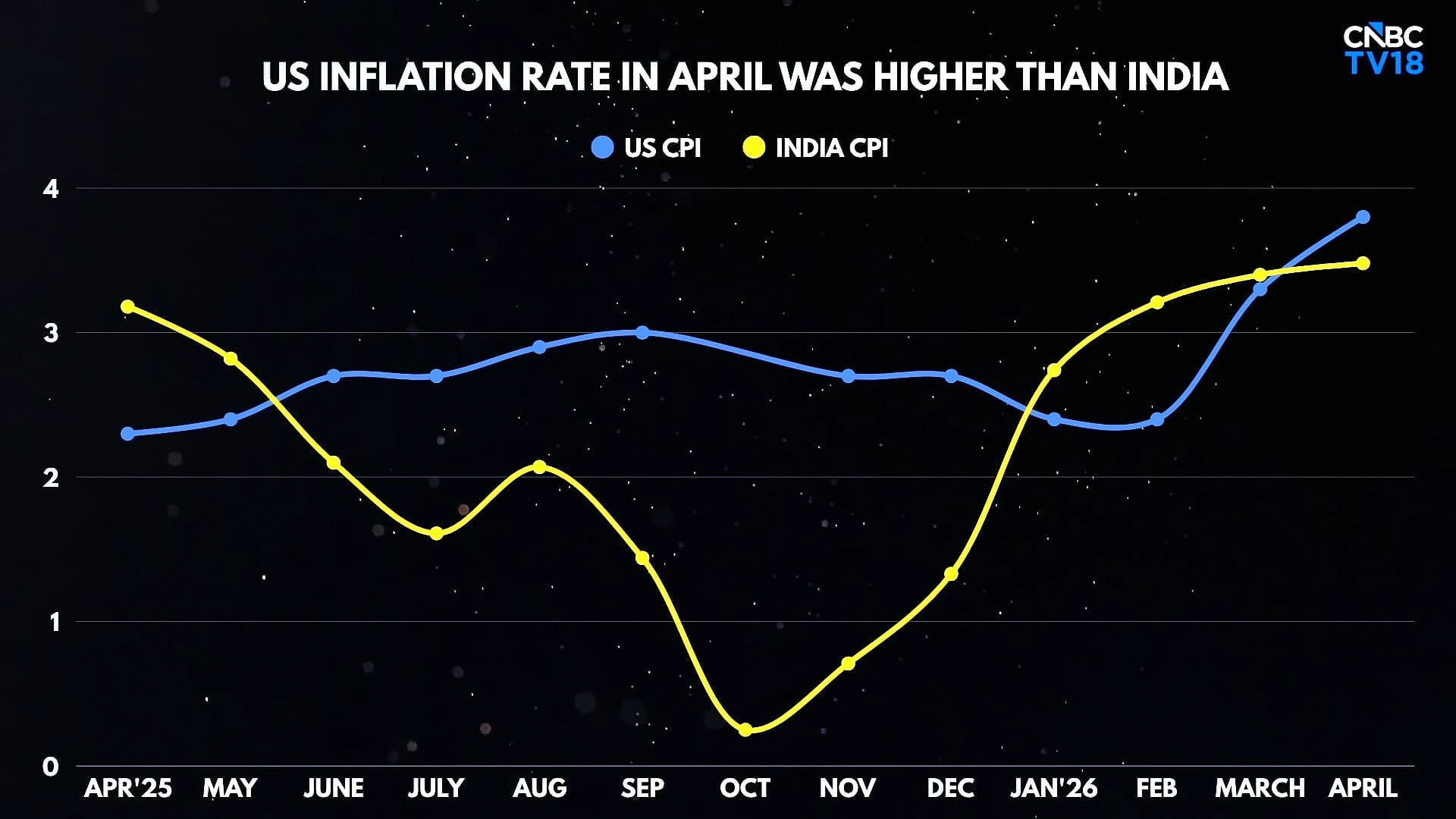
The sustained foreign outflows have significantly impacted India's overall capital position. As a result, India's capital account surplus has slipped to around 0.5 per cent during FY25-26, the lowest on record, compared with an average surplus of 2.6 per cent over the previous decade. This represents a dramatic shift in India's external financial position, with the current account surplus falling to levels not seen in over a decade. The Jefferies analysis suggests that a potential correction in valuations, unwinding of the artificial intelligence (AI) trade, and reopening of the Strait of Hormuz for smoother business activity could help reverse the ongoing foreign outflows and improve the country's external position.
According to a new analysis by DSP Mutual Fund, the rupee may actually be fundamentally undervalued right now despite recent weakness. The report uses the Real Effective Exchange Rate (REER) metric, which measures currency competitiveness after adjusting for inflation and trade competitiveness. India's REER slipped below 88 after the rupee weakened past 96.9 to the dollar — levels seen mainly during major crises like 2008 and 2013. As reported by DSP, the Rupee's REER at the end of April 2026 was at 89.7 as per BIS data, with the currency estimated to have slipped below 88 when USDINR breached 96.9 on May 20, 2026. This represents the most competitive the currency has been outside of two major structural crises.
Despite current challenges, DSP argues that betting against the rupee at these depressed REER levels and tight inflation differentials is a low-probability trade. The report suggests that foreign investors selling $34 billion worth of Indian equities across FY25 and FY26 may represent the pessimism phase of the cycle rather than a structural decline. DSP believes that large-cap Indian stocks have quietly become much cheaper beneath the surface, with several companies now trading below long-term average valuation levels. The analysis suggests that currencies, interest rates, and flows are inherently cyclical, and current conditions may present opportunities for investors to allocate toward rupee-denominated assets across both equities and bonds.