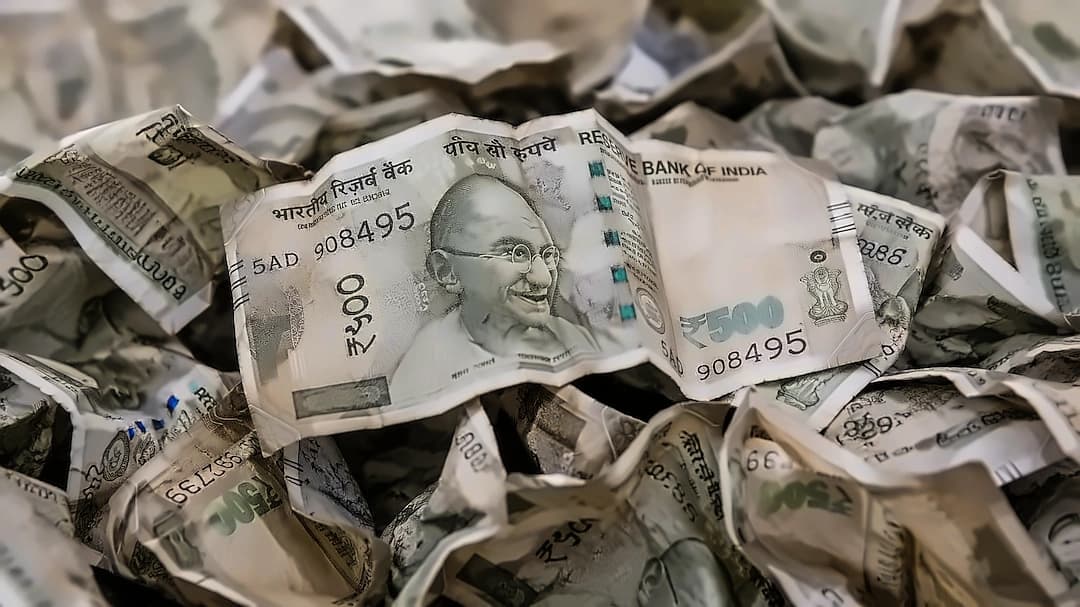
The Indian rupee has slipped to a record low of around 96.96 against the US dollar on Thursday, marking a significant decline from its previous levels. According to reports from Reuters, the currency has fallen nearly 6 per cent since late February amid escalating global tensions and energy price pressures. The rupee's weakness has been primarily attributed to soaring crude oil prices and broader global risk aversion, with India's heavy dependence on imported crude oil creating additional pressure when global energy prices surge sharply. The latest decline comes as the Iran conflict has intensified energy-price shock, further pressuring the embattled currency.
The Reserve Bank of India has categorically ruled out interest rate hikes to defend the rupee, with three sources confirming this stance to Reuters. As reported by Reuters, policymakers believe rate hikes would harm growth without significantly stabilizing the currency. One source stated there did not appear to be an urgent need for the central bank to move towards rate increases, with officials fearing that smaller rate hikes may do little to stabilise the currency while simultaneously hurting domestic demand and economic growth. A meaningful currency defence would require steep rate increases, but officials warn that smaller moves would have little impact while crimping demand.
The RBI is exploring alternative measures to support the rupee while maintaining its inflation-first approach. According to Reuters, options under consideration include special dollar deposit schemes for non-resident Indians (NRIs) and tax-related measures aimed at attracting debt investors. Reports indicate that discussions on these steps are continuing in coordination with the government, though officials suggested that not all possible measures may eventually be implemented. The central bank has other levers it has yet to deploy, with all options remaining on the table and under consideration. The RBI's stance puts it at odds with market expectations, where traders have increasingly begun pricing in rate hikes in response to the rupee's sharp fall.
Financial markets are positioning for tighter monetary policy despite the RBI's categorical rejection of rate hikes. Interest rate swap markets are currently pricing in at least 40 basis points of rate hikes by the RBI over the next three months and more than 100 basis points over the next year. These expectations reflect growing concern that rising oil prices and a weaker rupee could eventually push inflation significantly higher. However, the RBI's stance puts it somewhat at odds with market expectations, where traders have increasingly begun pricing in rate hikes in response to the rupee's sharp fall. A majority of economists do not expect a rate hike in June, but some including Standard Chartered are wagering on a tightening.
Consumer price index inflation is now trending higher towards 5 per cent or slightly above, which would still remain within the RBI's official tolerance band of 2-6 per cent but move further away from the central bank's medium-term target of 4 per cent. According to Reuters, wholesale inflation surged to 8.3 per cent last month, driven largely by higher fuel and energy prices. The RBI's April projection of 6.9 per cent GDP growth for the current financial year is likely to be revised lower, with officials fearing that aggressive monetary tightening at a time of slowing global growth could add further pressure on domestic demand. Policymakers are waiting to see how quickly pressures feed into core and headline consumer prices, with the central bank's rate-setting panel scheduled to announce its next decision on June 5.