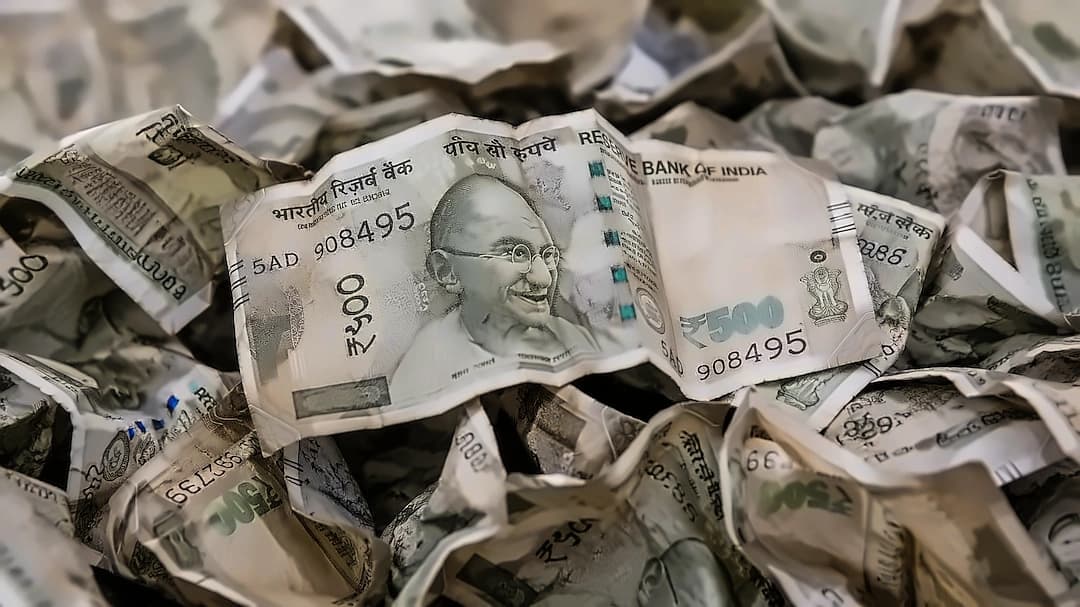
The Indian Rupee has reached a record low of 96.89 per US dollar on Wednesday, extending its sharp decline from Tuesday's close of 96.53, with the currency experiencing significant weakness against both regional and global currencies. According to The Economic Times, the rupee's decline has been triggered by elevated crude oil prices driven by stalled US-Iran peace talks, which have fueled fears of further central bank rate hikes. The currency's rout has been exacerbated by weak capital flows and rising bond yields, raising concerns about India's balance of payments deficit. Global investors are anticipating further depreciation of the Indian rupee, with some projecting a fall to 100 per dollar driven by rising oil import costs due to the US-Iran conflict and investor preference for the greenback. The Reserve Bank of India's intervention provided some respite, but analysts warn that RBI's intervention can smooth volatility, but it cannot fully offset expensive oil, a strong dollar and weak capital flows at the same time.
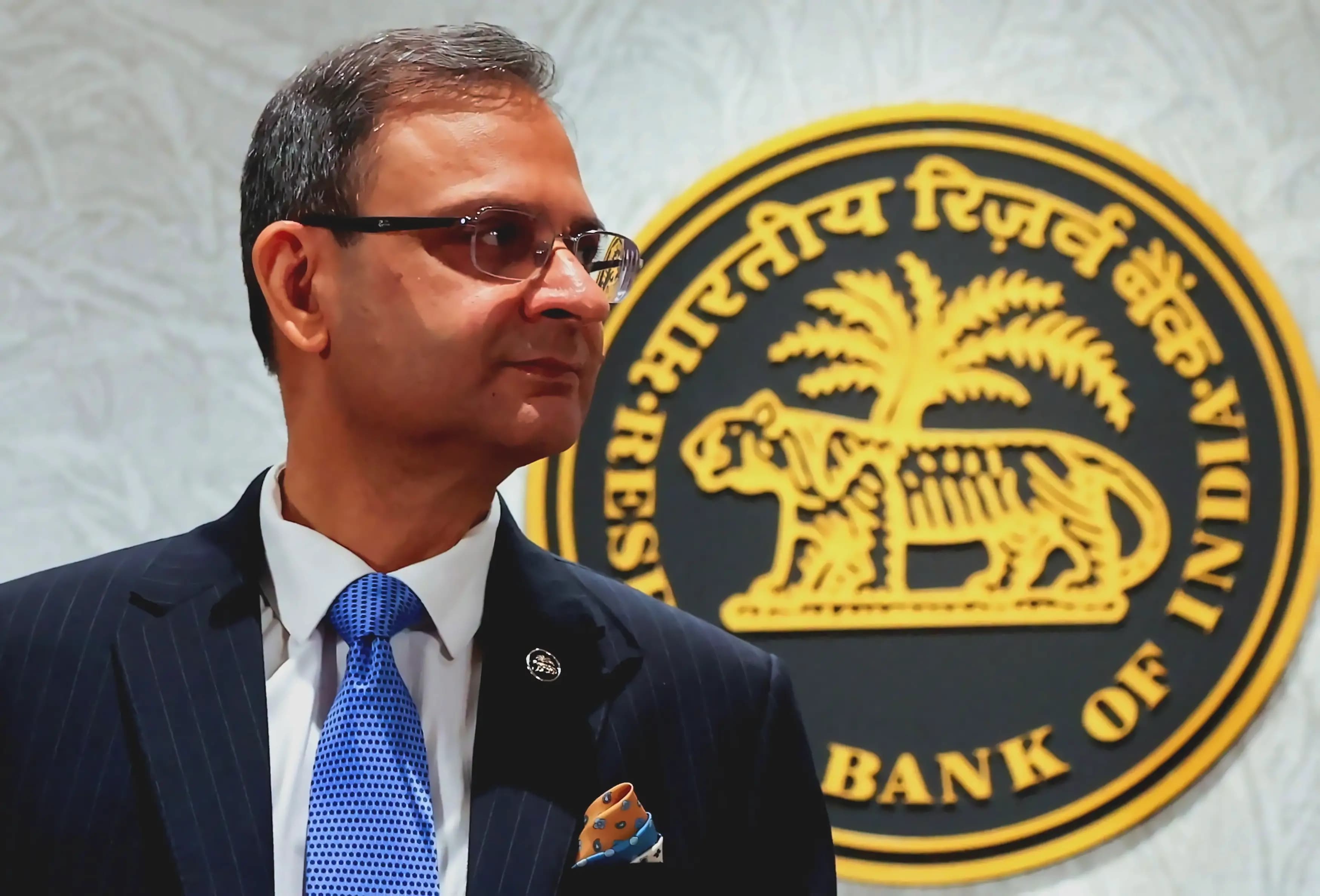
As pressure on the Indian rupee intensifies amid global headwinds, State Bank of India (SBI) has emerged as a key operational arm of the Reserve Bank of India (RBI) in managing currency volatility. According to UBS, the central bank has increasingly relied on indirect intervention tools rather than aggressive tightening, with SBI being used to channel dollar liquidity and absorb demand from large importers. The RBI has focused on "FX smoothing, curbing speculation," and crucially, "absorbing a large part of oil importers' USD demand... via a special credit/FX window routed through SBI." This approach allows the central bank to stabilise the currency without disrupting broader liquidity conditions. The strategy comes as global oil prices surged past the USD 110 mark, driven by escalating tensions in West Asia and heightened geopolitical uncertainty, with Brent crude remaining elevated around USD 111 per barrel on Wednesday.
The Indian Rupee has experienced significant weakness not only against the US Dollar but also against regional currencies. According to latest data, the rupee has fallen nearly 12% against the Pakistani rupee year-on-year, with 1 Indian rupee declining from 3.2913 Pakistani rupees in May 2025 to 2.9010 Pakistani rupees by May 2026. Similarly, Bangladesh's Taka has gained against the rupee, with the currency slipping nearly 10% year-on-year from 1.42 Bangladeshi taka per rupee to nearly 1.28 taka per rupee. The rupee has registered a plunge of 6.8% in 2026 alone against the Pakistani currency, highlighting the broader pressure facing the INR amid rising oil prices, weak foreign inflows and global market uncertainty. The historic decline has been triggered by a combination of elevated crude, firm US yields and persistent dollar demand.
According to Harshal Dasani, Business Head at INVAsset PMS, after today's slump, the currency pressure has moved from a headline risk to a balance-sheet variable. The analyst warns that pressure might first be experienced by import-heavy sectors, while exporters may get translation support, though that benefit will not be uniform if global demand remains soft. A falling rupee's impact extends beyond currency markets, making foreign education, foreign travel, imported goods, and international business expenses costlier for Indians. India may introduce more measures in the coming months to support the rupee and boost foreign reserves, including possible curbs on overseas investments by domestic companies, according to Citigroup. Economists warn that prolonged currency weakness can widen India's balance of payments deficit if import costs continue to climb faster than exports and capital inflows. Considering the speed of its crippling decline, the day may not be far when the Indian currency dives to 100/dollar by end of 2026, as noted by Tushar Badjate, Director of Badjate Stock shares Pvt Ltd.
The Reserve Bank of India has actively intervened in currency markets, depleting foreign exchange reserves to manage volatility rather than defend a specific level. As per The Economic Times, Indian government bonds declined early Wednesday as rising U.S. Treasury yields diminished the appeal of emerging-market debt, leading to outflows and weakening the rupee. The benchmark 2035 bond yield increased, while the yield premium on Indian bonds narrowed. Higher global yields and geopolitical uncertainty have contributed to market pressures, with the rupee's decline already eroding local gains for foreign funds and prompting concerns about potential central bank intervention.