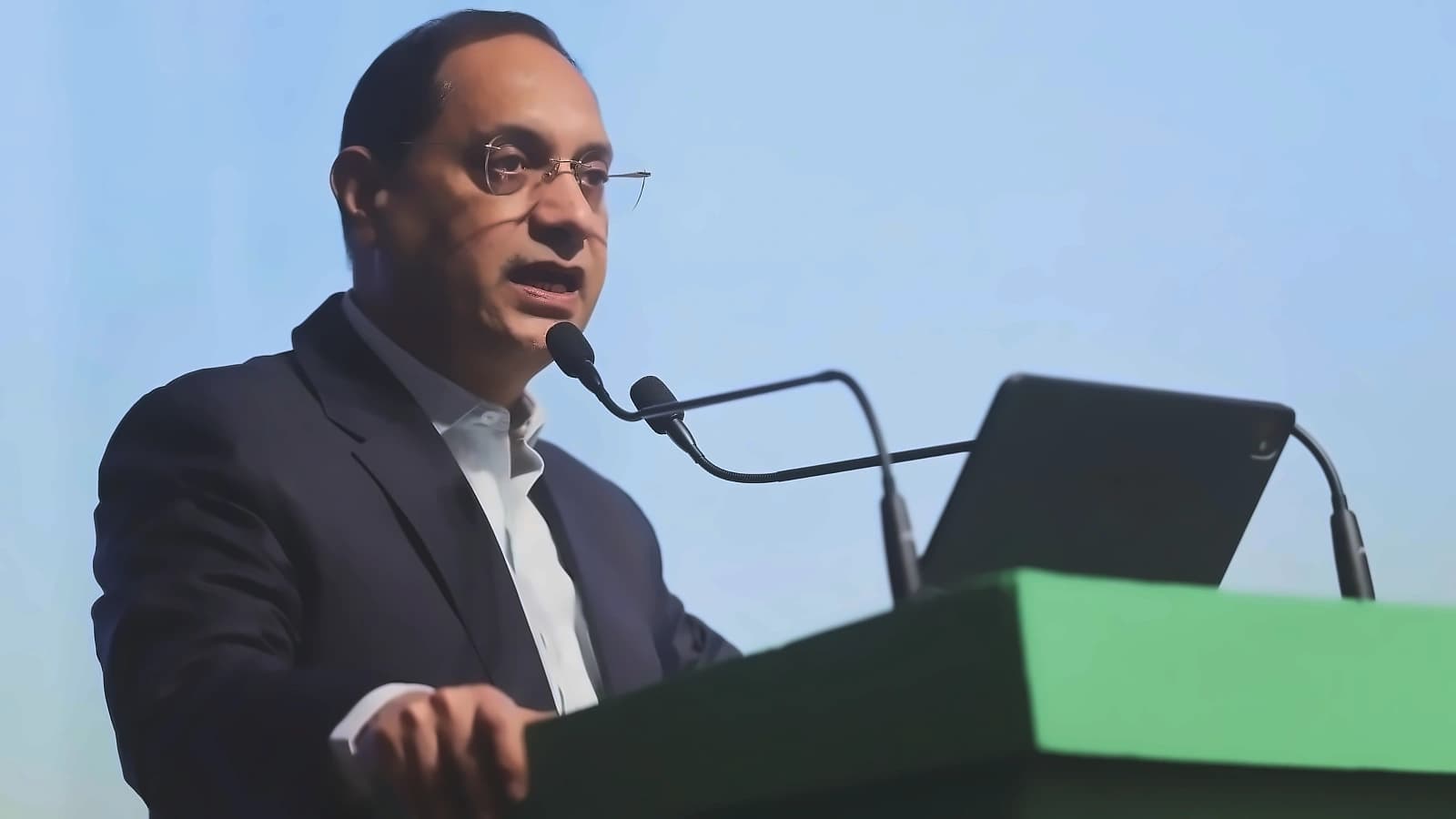
Devang Shah, Head of Fixed Income at Axis AMC, believes the RBI should avoid aggressive interest rate hikes even as high crude oil prices pressure the rupee and inflation. According to Shah, sharply tightening monetary policy could hurt India's growth momentum and create bigger problems for the economy if financial conditions become too restrictive. Bond markets have already started pricing in rate hikes aggressively because crude oil prices have remained elevated for more than three months, with markets now factoring in nearly 100 basis points of hikes. Shah argues that rate hike is not the only solution and recommends a calibrated approach through gradual rate hikes and measures to attract dollar inflows over the next six months, while keeping financial conditions easy to minimize growth impact.
The Reserve Bank of India is exploring multiple options to stabilize the rupee, which recently hit a fresh low of 97 to a dollar last week. Top RBI officials, including Governor Sanjay Malhotra, have held a series of internal meetings to discuss available options after the currency's rapid depreciation. According to people familiar with the matter, the central bank is considering a potential interest rate hike, increased currency swaps, and raising dollars from overseas investors through deposit schemes and sovereign bonds. Rajiv Batra from JPMorgan emphasized that "RBI will need to go big" and use a plethora of measures across equities, rates and currency to address the current crisis. The RBI's six-member monetary policy committee is scheduled to meet June 3-5, with the committee having kept its benchmark rate unchanged at 5.25% this year, though most economists predict a hike in coming months as inflation accelerates.

The RBI announced a $5 billion swap auction last Wednesday to infuse liquidity in the banking system and boost the RBI's dollar reserves in the immediate term. The central bank is also considering raising dollars overseas through a deposit scheme for non-resident Indians, with the RBI estimating these schemes could draw as much as $50 billion this time around, compared with about $30 billion previously. According to Bloomberg, Aberdeen Investments and MetLife Investment Management are among those seeing the possibility of the rupee weakening to 100 per dollar, while DBS Group Holdings has revised its forecast range to 95-100 from 90-95. The one-year dollar-rupee forward breached 100 for the first time on Wednesday, with the consensus estimate compiled by Bloomberg showing 94.75 by year-end. The rupee gained 0.5% outperforming Asian peers, while bonds swung to losses with the 5-year yield rising as much as 14 basis points to 7.01% and the 10-year yield rising as much as 5 basis points to 7.13%.
Despite the currency crisis, policymakers are of the opinion that India's economic fundamentals remain strong and the banking system is sound, but that strength is not being reflected in the exchange rate. Consumer-price growth remains below the RBI's 4% target, though pressure is building on retailers to pass on costs. Wholesale goods inflation more than doubled to 8.3% in April from the previous month, according to latest figures. The analysis notes that a depreciating currency does not serve as an adjustment mechanism in imported inflation episodes - it functions as an amplifier, compounding cost pressures for producers and consumers alike. A currency in prolonged free-fall can corrode investor confidence, accelerate capital outflows, and create self-reinforcing loops where exporters delay hedging and importers rush to cover at every level.
Investors have dumped Indian assets this year, with foreign fund outflows from stocks so far in 2026 surpassing last year's record $19 billion. The measures under consideration mirror those taken during the 2013 taper tantrum period, when India provided a deposit scheme for non-residents through local banks to spur foreign currency inflows. A rate hike would also curb demand for imports of consumer electronic goods and gold, which the government has been trying to control. However, a modest rate increase is unlikely to meaningfully shift foreign investor calculus in Indian debt markets, particularly when US Treasury yields have surged to multi-year highs. The more substantive argument for rate hikes is signalling - to demonstrate inflation-fighting resolve and anchor expectations, though raising rates at this juncture risks real damage to household balance sheets. According to Shah, attracting foreign capital flows and maintaining relatively stronger growth would ultimately be more effective for supporting the rupee than relying only on aggressive rate hikes.