The Indian rupee is currently trading at ₹94.74 against the dollar as of 10:59 AM on May 7, 2026, showing a 0.2087% increase from the previous day's close of ₹94.55. According to The Economic Times, conversion rates are based on average bank exchange rates with applicable reference rates of the previous day. The rupee's performance reflects ongoing currency dynamics in the current market environment.
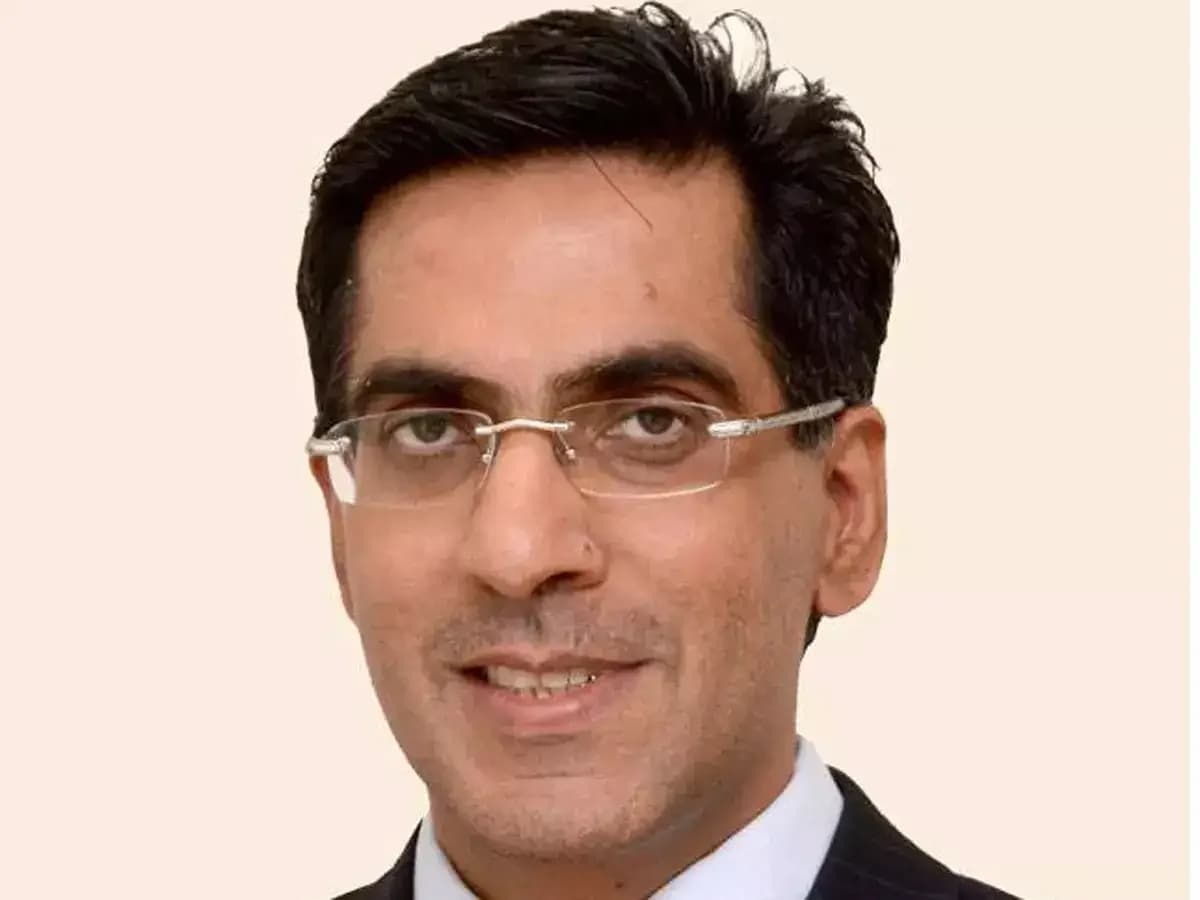
The Indian rupee's sharp fall to 94-95 against the dollar presents a significant investment opportunity rather than a macro concern, according to PL Group Chairperson and MD Amisha Vora. As reported by The Economic Times, Vora told ET Now that the currency depreciation serves as the single biggest portfolio signal right now, warning that investors who ignore this trend are leaving potential returns on the table. The rupee's decline is viewed as more than just a macro headline, creating a fundamental shift in investment strategy. Vora's reasoning is straightforward: even if the rupee recovers, she doesn't see it returning to 82 anytime soon. A floor around 91-92 still means a structural 10-12% cushion in export competitiveness - and that tailwind belongs to whoever captures it first.
Vora's investment strategy focuses on three key export-oriented sectors that benefit from currency depreciation. According to The Economic Times, pharma tops her list despite some raw material cost pressure, as currency gains are expected to more than offset these costs. In the auto ancillaries segment, she specifically highlighted Motherson Sumi and Bharat Forge, with the latter benefiting from both large exposure to Class 8 truck exports in the US and a fast-growing defence order book. For pharma, she flagged Blue Jet Healthcare as a differentiated pick in the niche, high-margin business segment with expanded capacity that she expects to outperform. Vora specifically called out Bharat Forge, noting that "Bharat Forge will benefit from the defence side of the story plus the export side also."
Metals emerge as a quiet beneficiary of the currency depreciation, though this opportunity isn't widely recognized by investors, as reported by The Economic Times. In the power infrastructure sector, Vora's picks include L&T as the biggest beneficiary of both domestic power capex and Middle East reconstruction spend, BHEL as the default infrastructure play, and Adani Power, which will operate 20,000 MW by March 31 with another 25,000 MW being added at a similar debt-to-equity profile. A long-term growth story is emerging in energy and power infrastructure, driven by data centers. Vora draws a parallel with how India's defence sector re-rated over the last three to four years once indigenisation became policy, arguing that data and power are following the same irreversible trajectory.

Vora's current investment advice focuses on staying in exporters, accumulating power infrastructure stocks on dips, and waiting for clearer signals before adding domestic cyclicals, according to The Economic Times. She emphasizes that the rupee shift changes everything for portfolio construction, with investors who ignore this trend potentially missing out on significant returns. The strategy reflects a selective approach to capitalize on the currency depreciation while maintaining defensive positioning in key sectors. IT emerges as her second pick, though she admits the sector faces a valuation headwind from AI-related worries about topline growth. However, the rupee tailwind makes that an acceptable trade-off for patient investors.