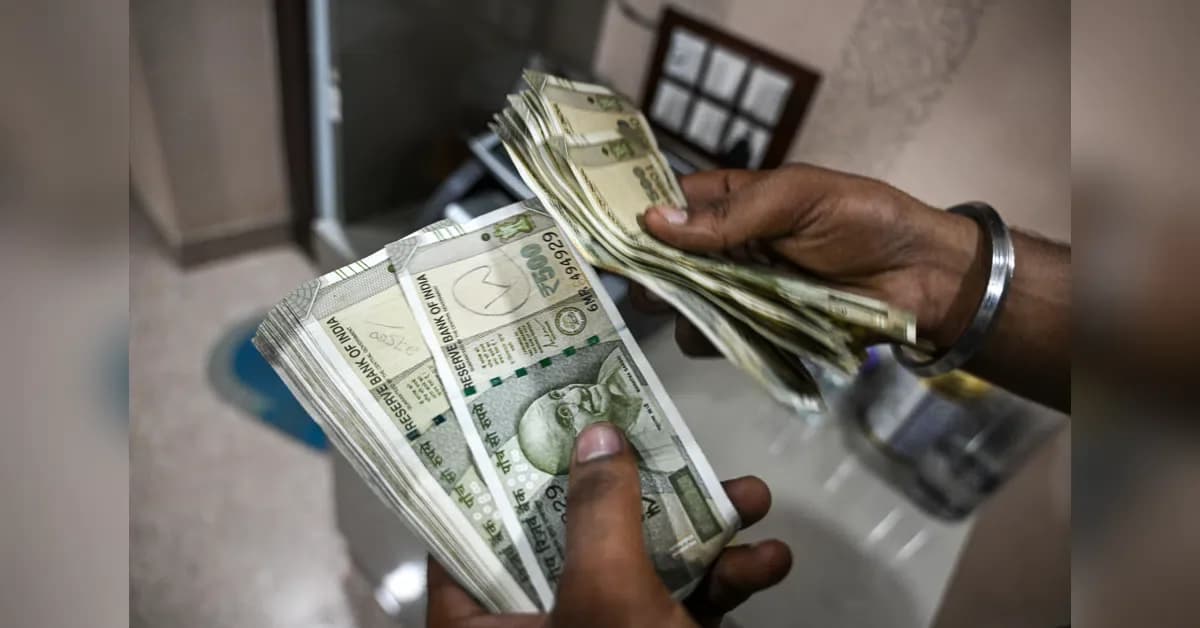
The Indian rupee's significant depreciation is creating challenges for semiconductor manufacturing projects under the ISM scheme. According to reports from Business Standard, the rupee has depreciated by more than 26% against the dollar since the ISM scheme was announced in December 2021, with a 9% decline in the past year alone. This currency movement is particularly concerning for semiconductor projects, as nearly 65% of project costs are spent on machinery that must be imported and paid for in dollars. Major machinery-related investments are typically concentrated in the third and fourth years of projects when equipment installation begins.
Under the ISM scheme, the government has earmarked ₹76,000 crore as subsidy for eligible companies setting up semiconductor plants, equivalent to approximately $10 billion at the time of announcement. As reported by Business Standard, the central government provides an upfront subsidy of 50% to eligible companies while plants are being constructed, while state governments offer an additional 20% subsidy, bringing total incentive support to about 70%. In FY27, total investment by ISM-eligible players is expected to be around ₹7,000 crore, matched by an equal amount from the government.

The government has already earmarked most of the ISM funds for 12 semiconductor projects, including nine outsourced semiconductor assembly and test/assembly plants, one silicon fabrication plant by Tata Electronics with an approved investment of ₹91,000 crore, and two compound semiconductor fabrication units. According to MeitY officials, the government has also announced the next phase of the semiconductor programme with incentives of ₹1.27 trillion earmarked for the sector, covering more fabrication plants, backend ecosystem, design and other areas. An official noted that even if effective incentives come down to 50% due to rupee depreciation, it remains very competitive.