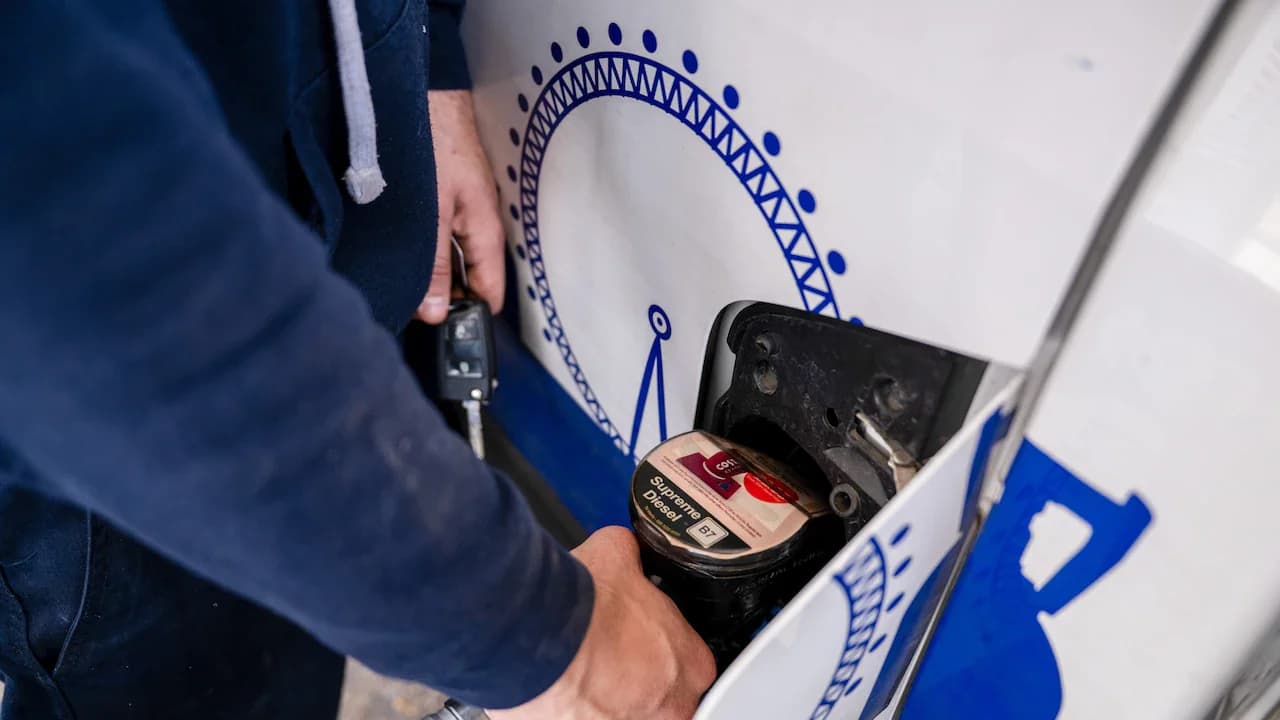
UK diesel prices have reached a historic milestone, crossing £2 per liter for the first time ever, with the latest data showing diesel at 200.01p per liter according to the RAC. The price of a litre at UK forecourts has risen 40.5% since late February, when the US-Israel war on Iran began disrupting supplies of crude and refined oil products from the Gulf. As reported by the RAC, this means filling up a standard 55-liter tank now costs £32 more than before the Iran war began. The RAC's Simon Williams described this as "a pump price threshold that no one wanted to cross." Economists are now warning that a prolonged US diesel export ban could push UK inflation close to 5%, with Paul Dales from Capital Economics stating that "a full ban on U.S. diesel exports could drive U.K. diesel prices from their current level of £2 a liter to around £3 a liter, adding 1 percentage point to inflation."
The shock rise in diesel prices is creating a cascading effect throughout the economy, with experts warning that food bills could soar as supply chain costs escalate. Dr Jonathan Owens, operations and supply chain expert at the University of Salford, explained that "the impact will not stop at the petrol station. Almost everything we buy has travelled through a supply chain, often involving several diesel-powered journeys." This means food, construction materials, manufactured goods and online deliveries are all exposed to higher transport costs, creating another source of inflationary pressure at precisely the point households and businesses can least afford it. For an average 45mpg diesel car, the cost works out at an extraordinary 20p per mile, so a driver covering 10,000 miles a year is now spending £2,020 on fuel a year. The previous highest price of 199.09p seen in June 2022 is already becoming a distant memory as the conflict in the Middle East continues with no sign of a deal to reopen the critical oil and gas shipping route through the Strait of Hormuz.
The Trump administration has told Germany and France to release their diesel stockpiles to help ease soaring global energy prices or face a US export ban. In a video conference with G7 leaders, chaired by French President Emmanuel Macron, attendees discussed a proposal from the French government that European nations release 50 million barrels of diesel from reserve supplies, and for members of the International Energy Agency (IEA) to release 50 million barrels of crude oil. The UK relies on the US for about 30% of its diesel, with the vast majority coming from mainland Europe, and has reserve supplies for 42 days. Dan Jørgensen, the EU commissioner for energy, said Europe was discussing the diesel reserves issue with all members of the IEA, not only the US. The UK opened talks with European allies over releasing emergency supplies, as Trump has pushed his Ukrainian counterpart to cease Kyiv's drone and missile attacks on Russian refineries to help relieve the global fuel squeeze. The Trump administration warned France and Germany they could face a U.S. diesel export ban if they refused to tap emergency stockpiles, while major U.S. business groups argued a ban would raise fuel prices rather than lower them.
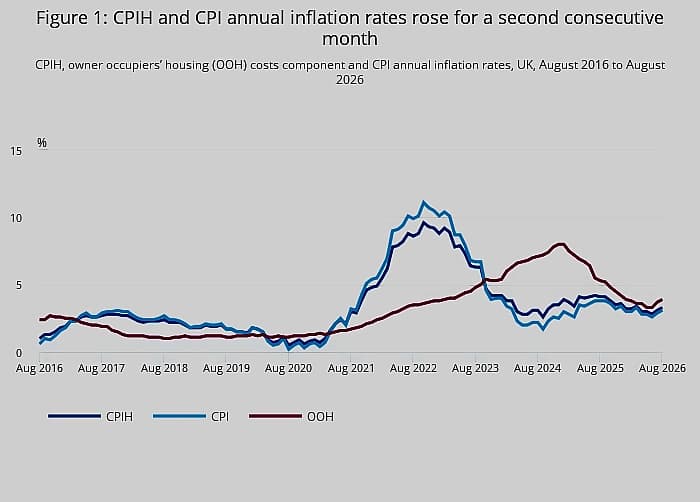
The diesel crisis threatens to pile pressure on consumers and businesses already facing difficult conditions, with gas and electricity bills forecast to surge in January and push inflation above 4% early next year. According to Capital Economics, a peak inflation rate of 5.3% would raise the chances of second-round inflation effects and could mean the Bank of England raises interest rates further and for longer than otherwise. BOE officials are edging toward raising interest rates to prevent the energy shock from spreading widely through the economy. They also fear the supersized El Niño could cause a fresh wave of food inflation if it disrupts global weather patterns and harvests of key crops. Inflation in the cost of road fuels has outpaced the surge in global oil markets due to a sharp drop in output from refineries damaged by war in the Middle East and in Russia, before the Ukraine war, Russia provided between 10% and 15% of the world's diesel supplies. Britain is particularly vulnerable, with Capital Economics noting that "its diesel stockpiles are thinner than those of most other European nations and it is one of the biggest importers of U.S. supply."
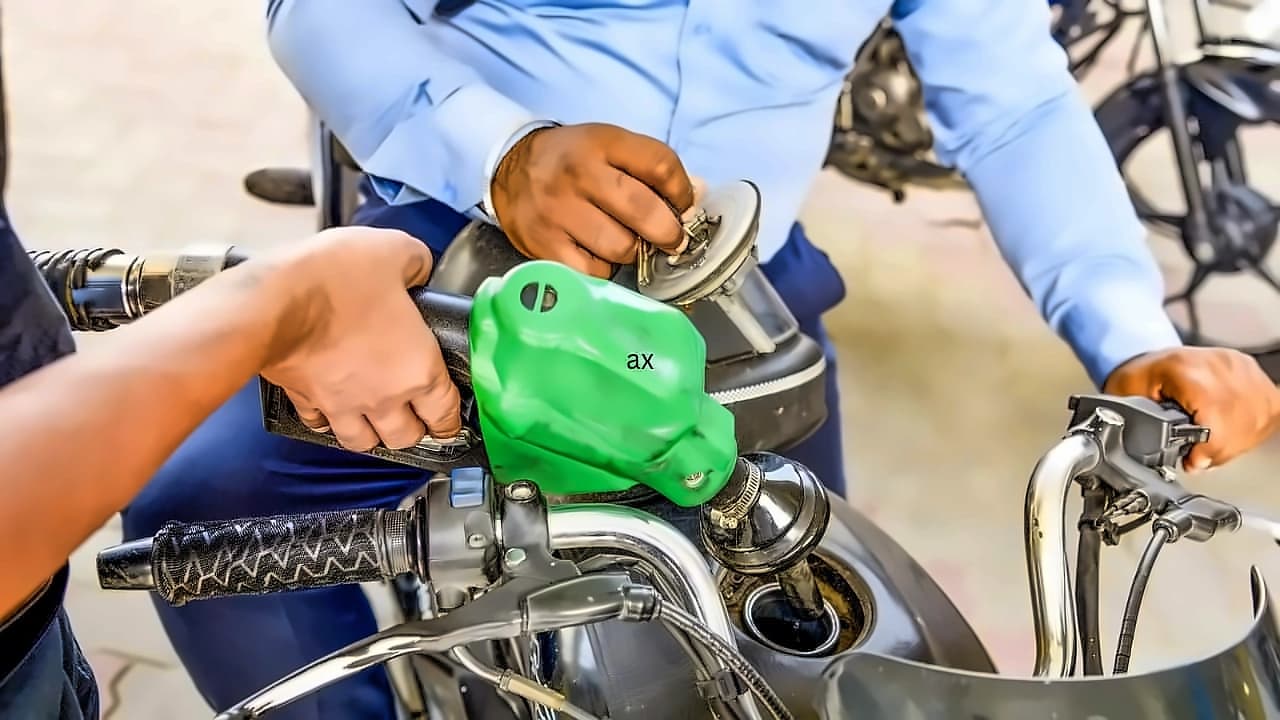
Transport minister Keir Mather sought to avert panic at the pumps, insisting the UK was not facing a diesel shortage, after Donald Trump threatened to cut off US supplies of the fuel. However, the warnings come as Group of Seven countries announced plans to release up to 100 million barrels of diesel and oil over the next four months to ease current market strains. European diesel prices and Brent crude futures have slumped following this announcement. The UK appears more exposed given it has less diesel in storage than many other European countries, according to Capital Economics. Motorists and small businesses have been struggling with the increasing cost of filling up, with Williams adding that "this will be very challenging for households and companies that drive a lot of miles, from commuters, haulage and delivery firms, businesses with large fleets all the way through to sole traders." Petrol prices have also risen, with a litre of unleaded now standing at 174.71p on average, around 42p more than at the start of the conflict, meaning the cost to fill an average-sized petrol car now stands at £96 overall. Thomas Pugh from RSM U.K. warned that "losing 20% of diesel overnight would be a very tough adjustment," with the bigger impact coming from indirect effects as diesel is used across all industry and trucking sectors.