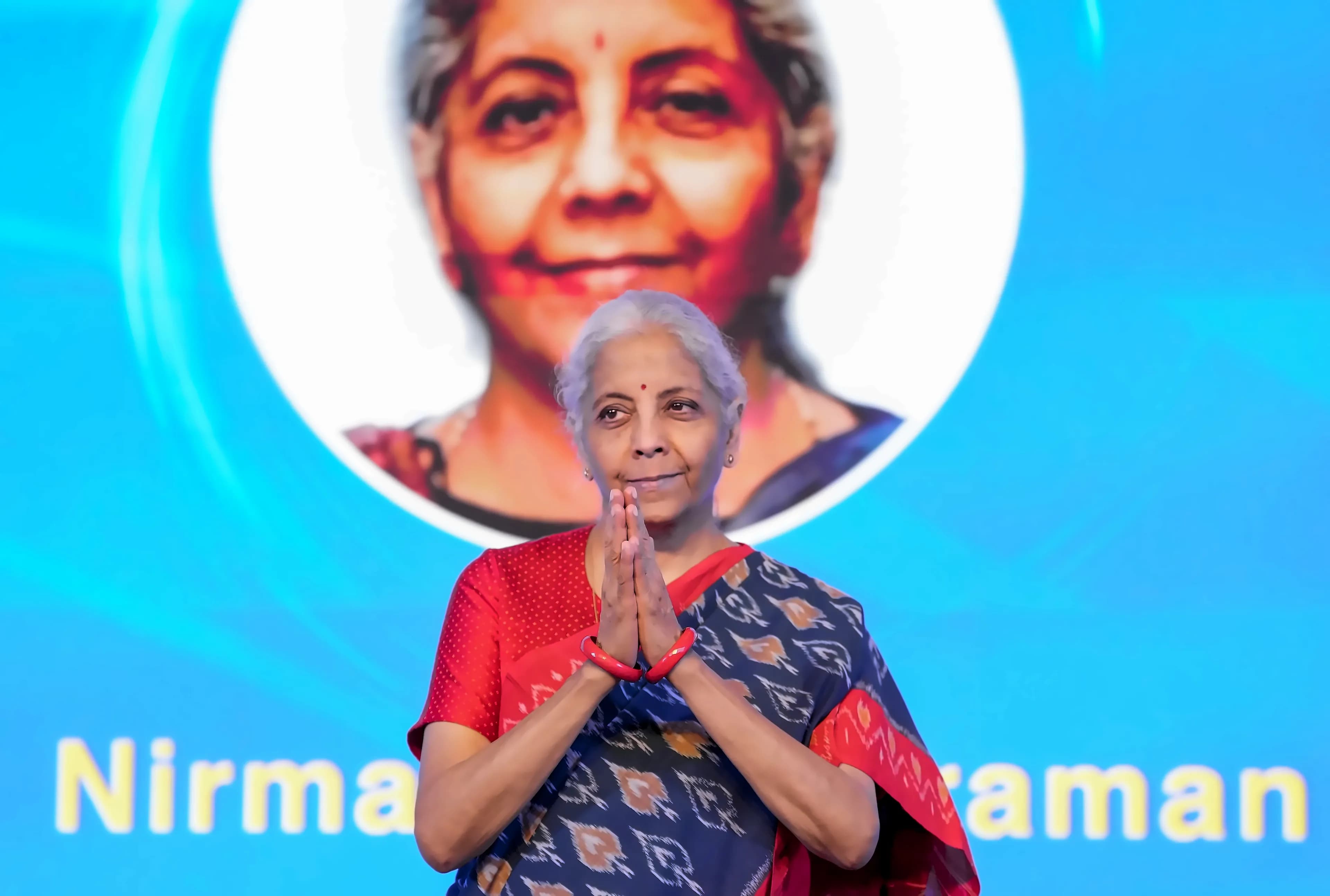
Finance Minister Nirmala Sitharaman announced India's commitment to promoting rupee and local currency settlements to help partner countries facing foreign currency constraints. According to reports from The Hindu BusinessLine, Sitharaman made these remarks during an interaction with the Atlantic Council on the sidelines of the IMF-World Bank annual meetings in Bangkok, Thailand. She emphasized that rupee settlements would enable countries struggling to access hard currencies to continue importing essential goods from India. As per The Hindu BusinessLine, Sitharaman explained that "One of the things that we in India want to do is to settle in rupee, whatever the payment is got to be done by those countries which import goods from us." She noted that "Rupee and local currency settlements are something which we want to do for the benefit of countries which are starved of hard currencies but yet need to import some goods, and, therefore, rupee trade is trying to make it possible...for local currency settlements to keep trade going."
The initiative addresses increasing economic downturns affecting nations and rising geopolitical tensions, including wars, which have left many countries in debt traps and balance of payments crisis. As reported by The Hindu BusinessLine, Sitharaman noted that multilateral development institutions take years to respond to these problems, as much as three to four years, and these issues are now being corrected. She described the rupee trade mechanism as "a method India has understood and is working on." She added that "This mechanism was also worked out against the backdrop of increasing economic downturns affecting nations in many adverse ways." In the world of multilateralism, Sitharaman also said India is pushing for more meaningful bilateral relationships while making progress in many trade agreements that add to strengthened partnerships.
Regarding India's trade agreement with the United States, Sitharaman expressed optimism about early resolution to ongoing negotiations. According to The Hindu BusinessLine, she said "I think recently the Indian Commerce Minister has also spoken that they expect and wish to have the agreement signed soon. Negotiations have been going on. I hope, in the interest of global trade and in the interest of trade between the two partners, India and US, the trade agreement gets concluded at the earliest." This remark comes after Commerce & Industry Minister Piyush Goyal stated that the first phase of the India-US trade pact has been finalised and is undergoing legal drafting. The Finance Minister emphasized that "I hope, in the interest of global trade and in the interest of trade between the two partners, India and US, the trade agreement gets concluded at the earliest."
On trade with China, Sitharaman highlighted persistent challenges despite years of engagement. According to The Hindu BusinessLine, she said "The growing trade imbalance and persistent restrictions on market access for Indian products remained major concerns, despite years of engagement with Beijing." India has consistently sought market access in China for products such as generic medicines, bovine meat, vegetables and other perishable goods, but made little progress despite years of engagement. "Non-tariff barriers are the biggest hurdle in the trade between India and China," she said, adding that China had used phytosanitary measures and other non-tariff restrictions despite the potential for discussions and investigations to resolve such issues. The Finance Minister noted that "India has consistently sought market access in China for products such as generic medicines, bovine meat, vegetables and other perishable goods, but made little progress despite years of engagement."
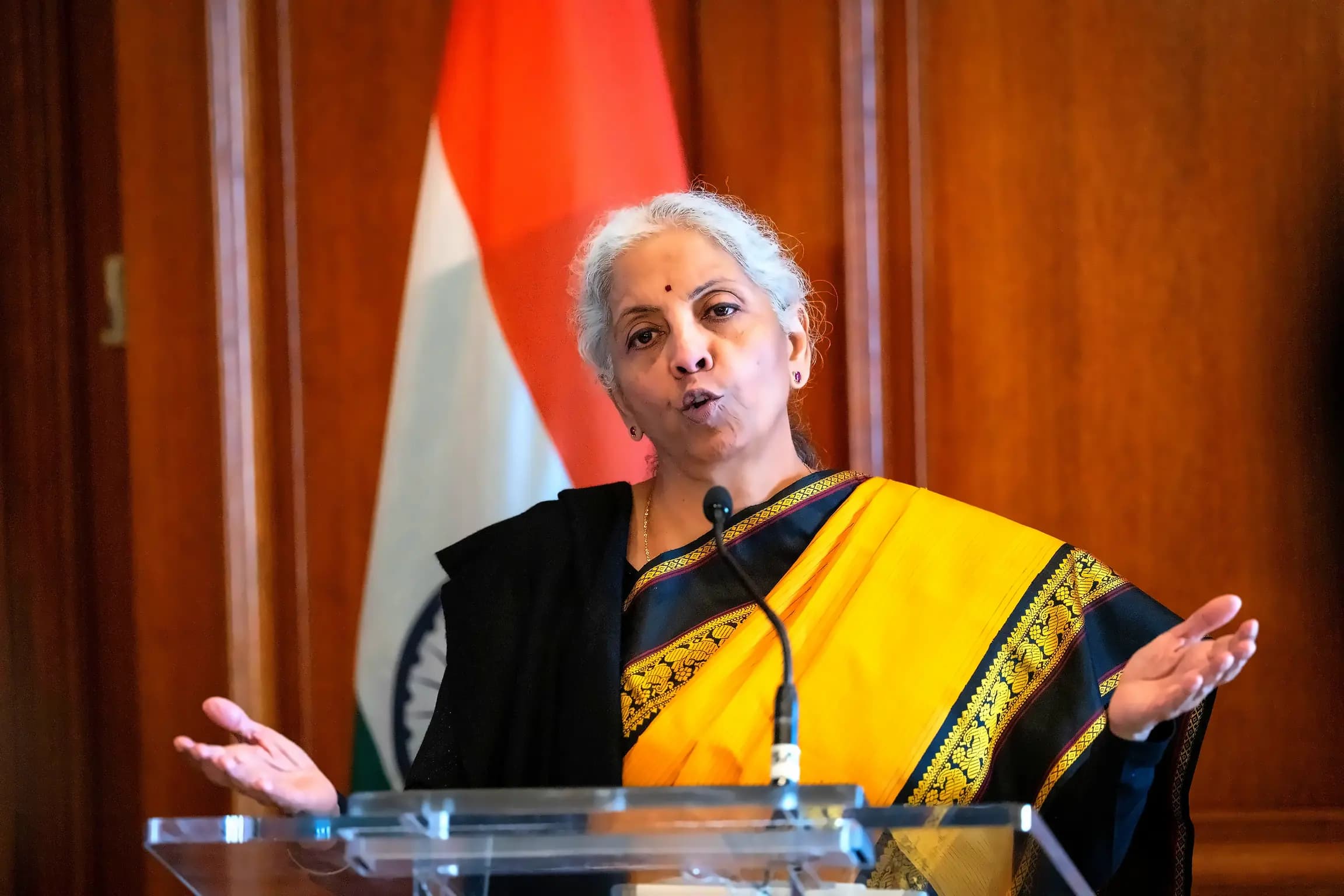
On India's economic performance, Sitharaman highlighted the country's resilience despite global disruptions. According to The Hindu BusinessLine, she said "The country has sustained strong growth despite global disruptions and has been the world's fastest-growing major economy over the past four to five years, particularly after COVID-19 pandemic." She attributed India's performance to inclusive growth, wider access to resources and skill development for young people, fiscal prudence and higher public capital expenditure. The Finance Minister emphasized that "The country has sustained strong growth despite global disruptions and has been the world's fastest-growing major economy over the past four to five years, particularly after COVID-19 pandemic."