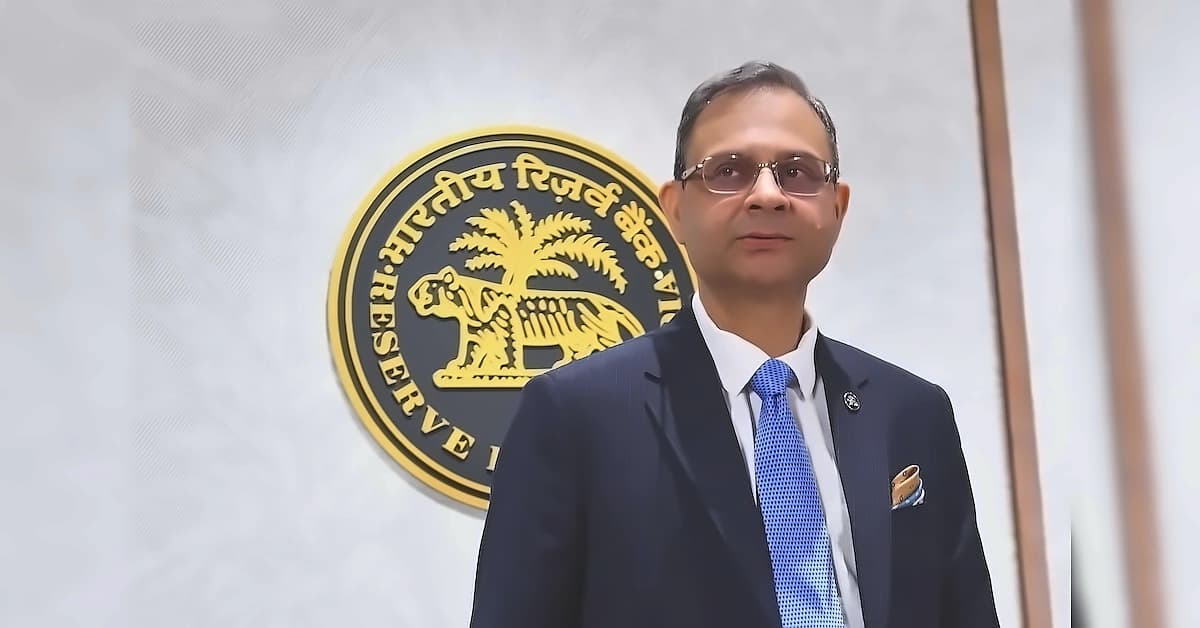
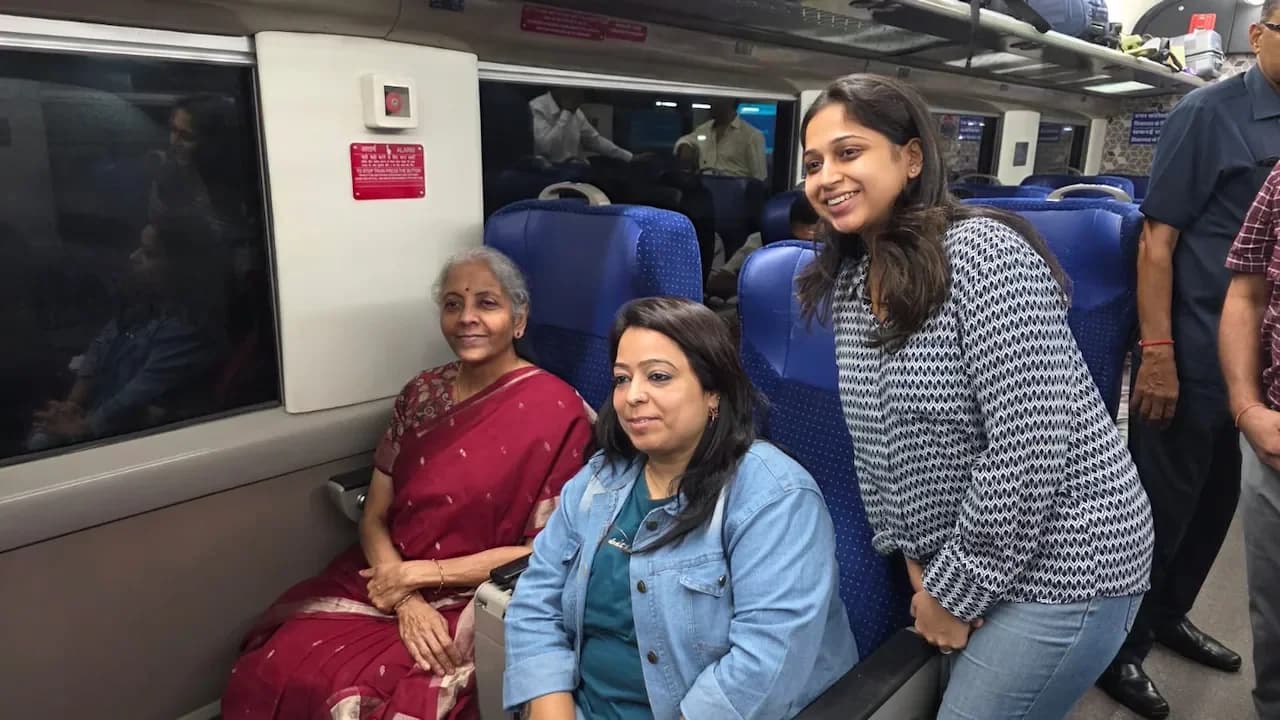
Union Finance Minister Nirmala Sitharaman arrived in Jaipur on Tuesday night to attend the two-day meeting of BRICS finance ministers and central bank governors, being held under India's BRICS presidency. As reported by Zee News, the two-day meeting will begin at 11:15 a.m. on Wednesday at Hotel Rambagh in the state capital with finance ministers and central bank governors from the 11 BRICS member countries deliberating on key economic and financial issues. RBI Governor Sanjay Malhotra also arrived in Jaipur late Tuesday night and is scheduled to address the inaugural session alongside FM Sitharaman. The meeting is scheduled to conclude at 12:30 p.m. on Thursday and will focus on financial and central banking issues of importance to BRICS economies, including economic growth, financial liberalisation and risk management. According to Zee News, as part of the programme, representatives of BRICS nations will visit City Palace at 5 p.m., where a special cultural programme showcasing Rajasthan's rich heritage has been organised for the delegates.
BRICS trade ministers achieved a significant breakthrough by adopting the Jaipur Consensus, which includes studying a BRICS invoice-discounting mechanism to help bridge the estimated $2.5 trillion global trade-finance gap affecting smaller businesses. As reported by Business Standard, the ministers also adopted guiding principles for credit-assessment frameworks for export-oriented MSMEs, aimed at enabling lenders to assess firms based on cash flows rather than collateral. These measures form part of a broader work plan on the internationalisation of MSMEs, addressing the critical financing challenges faced by smaller businesses globally. The Commerce Ministry confirmed that these instruments respond directly to the global trade finance gap of about $2.5 trillion which impacts smaller enterprises, making this a decisive push for small business development across BRICS member countries.
RBI Governor Sanjay Malhotra revealed that BRICS countries are exploring central bank digital currencies (CBDCs) and payment-system linkages to make cross-border transactions faster and cheaper. Speaking at the Ficci-IBA Annual Banking Conference, Malhotra emphasized that 'Cross-border payments is an area of interest for all of us, including the BRICS, because we do feel that there is a lot of scope for reducing costs, especially for retail transactions, and increasing speed'. He highlighted the contrast between instant domestic payments like UPI and the current delays in international remittances, stating 'Look at UPI, for example, it is instantaneous. Why do you have to wait for some hours, some days for your foreign remittances to take place?'. According to Business Standard, work is underway on various methods and options for cross-border payments, including CBDCs and linkages between multiple payment systems, but these are still at the discussion stage.
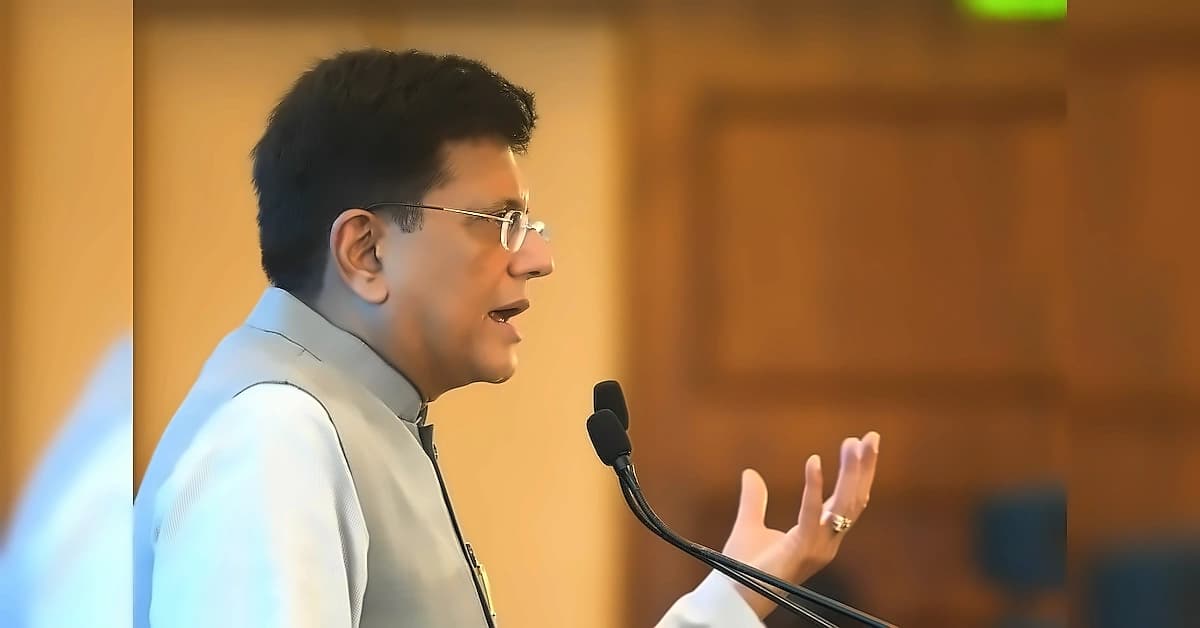
On local currency trade expansion, RBI Governor Sanjay Malhotra confirmed that India is already trading in local currencies with a number of countries, although volumes remain small. As reported by Business Standard, he stated 'Volumes are, of course, small. We need to expand that' and outlined the RBI's strategic approach to internationalizing local currency usage. The RBI has recently started signing memoranda of understanding (MoUs) with central banks of other countries to spread awareness among importers and exporters about the use of local currencies. Malhotra revealed that 'We have four of them — UAE, Mauritius, Maldives and Indonesia — and we are in the process of doing many more such MoUs', with these agreements yielding encouraging results. The governor emphasized 'We will continue our efforts to internationalise UPI and promote the use of local currencies for cross-border payments and trade'.
The Jaipur outcomes reiterated support for a rules-based multilateral trading system with the WTO at its core and called for preserving special and differential treatment (S&DT) for developing countries. As reported by Business Standard, the meeting backed the restoration of a fully functioning, two-tier and binding WTO dispute-settlement system while recognising the need for policy space for developing economies to safeguard food and livelihood security. The Chair's Statement and Outcome Document issued comprising four Annexes affirmed the multilateral trading system with the World Trade Organization at its core, with development at its centre, the preservation of Special and Differential Treatment, and the restoration of a fully functioning, two-tier and binding dispute settlement system. The ministers also adopted a Global Value Chains (GVC) Action Plan for 2026-30, which envisages initiatives such as a BRICS Technical Council, BRICS Connect, and joint studies on GVCs, including potential creation of strategic supply-chain and investment-promotion platforms in pharmaceuticals and food security.
During the ministerial meeting, according to Business Standard reports, the ministers discussed ways to promote balanced trade and investments among member countries and highlighted that access to easy and adequate financing to MSMEs was also deliberated upon. The outcomes adopted principles to facilitate safe and secure digitally delivered services across borders and noted progress towards finalising the Strategy for BRICS Economic Partnership 2030. This comprehensive strategy, covering trade, services, the digital economy, investment, financial cooperation and sustainable development, will be submitted to BRICS leaders for endorsement. The BRICS Principles to Facilitate Digitally Delivered Services Across Borders was adopted as the Annex-IV to help cooperation in safe and secure digitally delivered services to place services and value chains at the frontier of the next decade of BRICS cooperation.