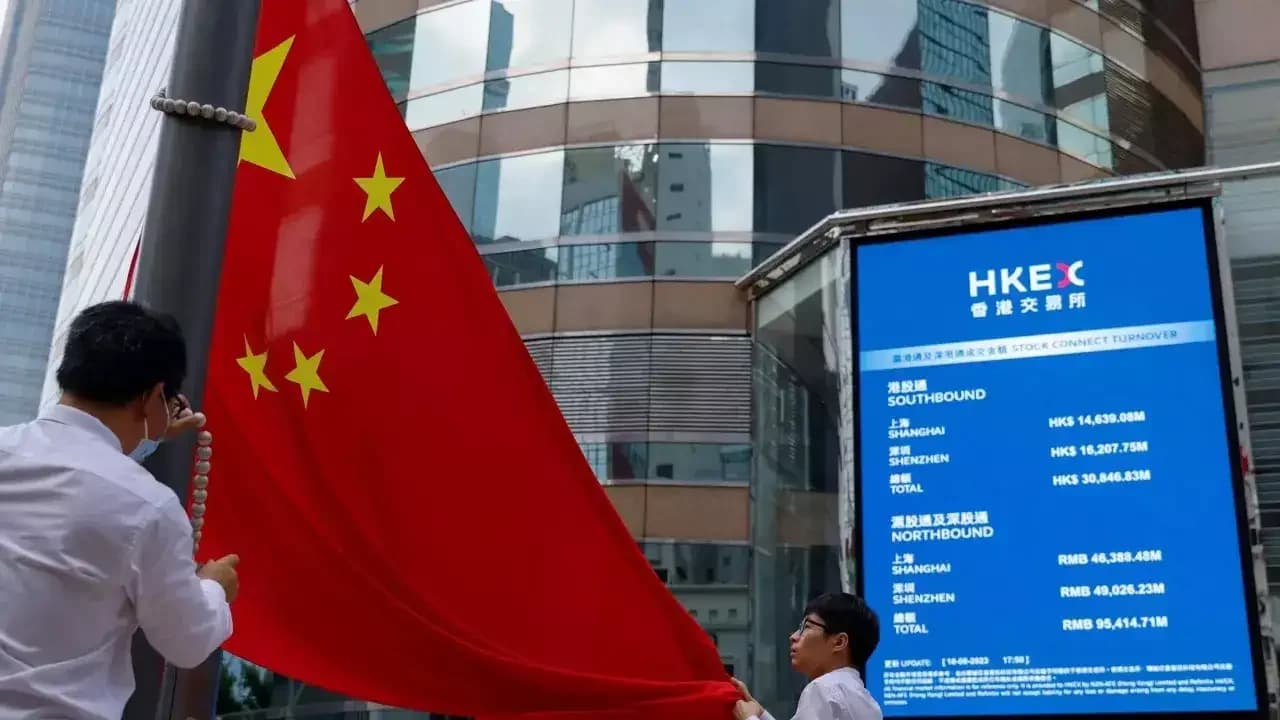
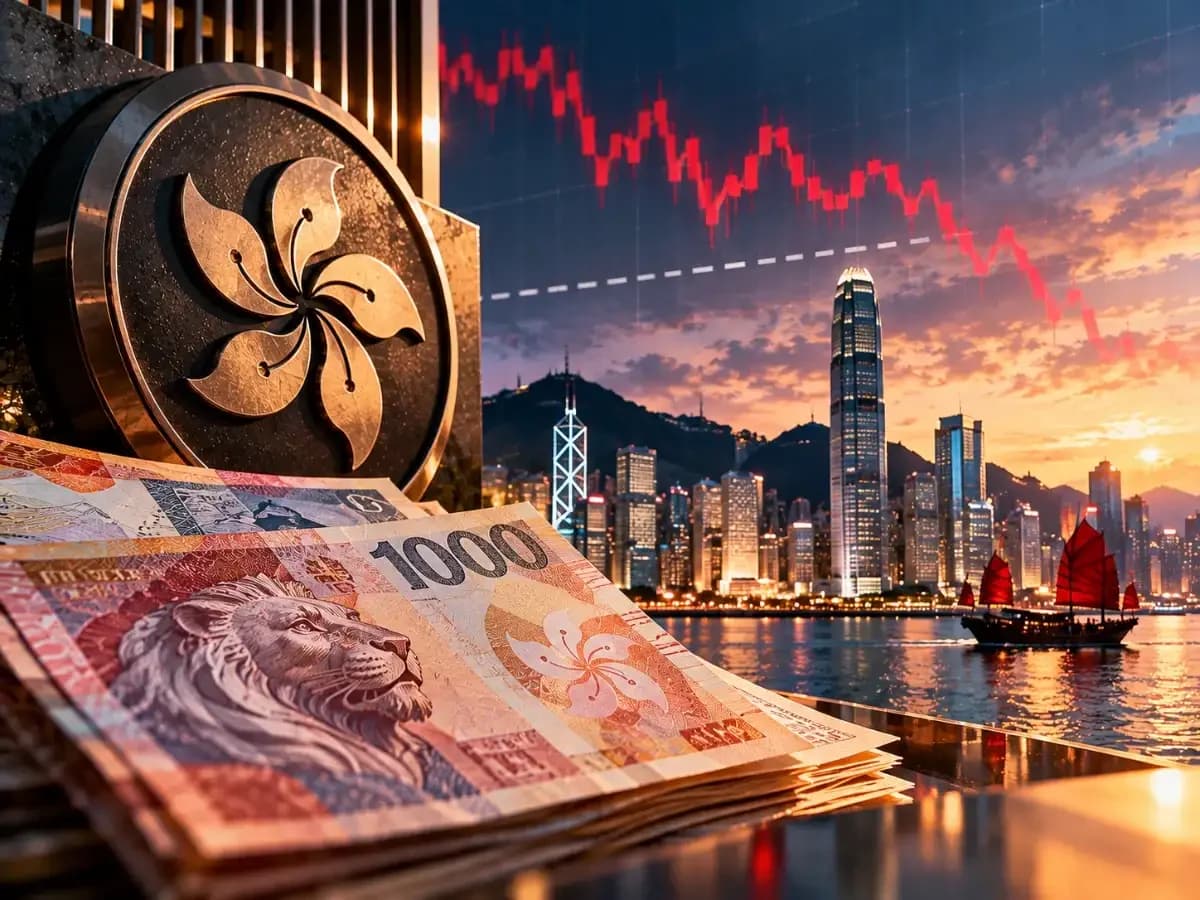
The Hong Kong dollar fell to 7.8456 per U.S. dollar in afternoon trading on Thursday, marking its weakest level in a month. According to reports from Reuters, the currency has been moving closer to the weak end of its 7.75-7.85 trading range in recent weeks. The Hong Kong Monetary Authority (HKMA), the city's de facto central bank, intervenes in the foreign exchange market when the currency reaches either side of the band to maintain the peg. Since 1983, Hong Kong has operated a linked exchange rate system that fixes 1 U.S. dollar at around 7.8 Hong Kong dollars.
The HKMA raised its base rate by 0.25 percentage point to 4.25% on Thursday morning, immediately after the Federal Reserve's decision to hike rates. This marks Hong Kong's first base rate increase since 2023. The base rate is set at the lower bound of the Fed's target range (3.75%) plus 0.5 percentage point, meaning Hong Kong must raise rates in step with the Fed regardless of its own economic conditions. HKMA Chief Eddie Yue warned that if the rate differential between the Hong Kong and U.S. dollars widens, carry trades could push the Hong Kong dollar weaker beyond the permitted band. A global selloff in bonds and renewed inflation concerns have pushed U.S. Treasury yields higher and supported the U.S. dollar.
The yen weakened up to 1% overnight to 156.42 per dollar following the Fed's hawkish signal, with markets now pricing in three further Fed rate increases by mid next year. The yen's decline comes after a strong early-month surge driven by expectations of a faster BOJ shift toward tighter policy, reversal of yen-funded carry positions, and speculation that Japanese pension funds might steer additional capital into local markets. Overnight index swaps suggest a 25-basis-point BOJ move is largely in the price, putting Governor Kazuo Ueda's post-decision press conference center stage as investors seek signals on how quickly and extensively any subsequent tightening could unfold.
The Saudi Central Bank raised the repo rate to 4.50% and the reverse repo rate to 4.00% by 0.25 percentage point each on Thursday, while the United Arab Emirates lifted its benchmark rate to 3.90% from 3.65%. Qatar raised its deposit, lending and repo rates, Bahrain raised its overnight deposit rate, and Oman increased its repo rate by 0.25 percentage point each. In these five Middle Eastern countries, oil and gas transactions account for a large share of their economies, making them particularly vulnerable to currency depreciation if rate gaps with the United States widen. Emerging Asian economies also moved preemptively, with Indonesia's Central Bank raising rates by 1 percentage point within a month after the rupiah fell about 6% from the start of the year to a record low.