The Indian rupee weakened 17 paise to 96.45 against the U.S. dollar in latest trading, extending its decline from Friday's close of 96.28 per dollar. According to The Times of India, the currency slipped 17 paise and breached 96.5 in intraday trade before recovering slightly. The latest decline comes as Brent crude futures rose 2.45% to $90.26 per barrel, with the global oil benchmark trading 2.45% higher at $90.26 per barrel as the U.S. and Iran inch closer to all-out war. The dollar index was trading marginally down by 0.05% at 100.54, providing some relief to the rupee's decline. Traders also cited concerns that mobilisation under the FCNR(B) window may take longer than expected, adding to the currency's pressure.
Brent crude futures rose 2.45% to $90.26 per barrel in latest trading as the U.S. and Iran have inched closer to all-out war, with last month's interim deal meant to permanently end the fighting having crumbled. According to The Hindu, the U.S. conducted a new round of airstrikes early on Monday targeting Iran after announcing the death of another American service member, while Iran fired missiles towards Jordan that risked widening the conflict into neighbouring Israel. Bahrain sounded its missile alert sirens Monday morning, warning of an Iranian retaliatory attack after U.S. airstrikes targeted the Islamic Republic. Goldman Sachs analysts warned that more attacks on tankers and Middle East infrastructure could push prices back to the $100+ range that prevailed for much of the conflict's hot phase, with shipping traffic in the Strait of Hormuz having largely stalled.
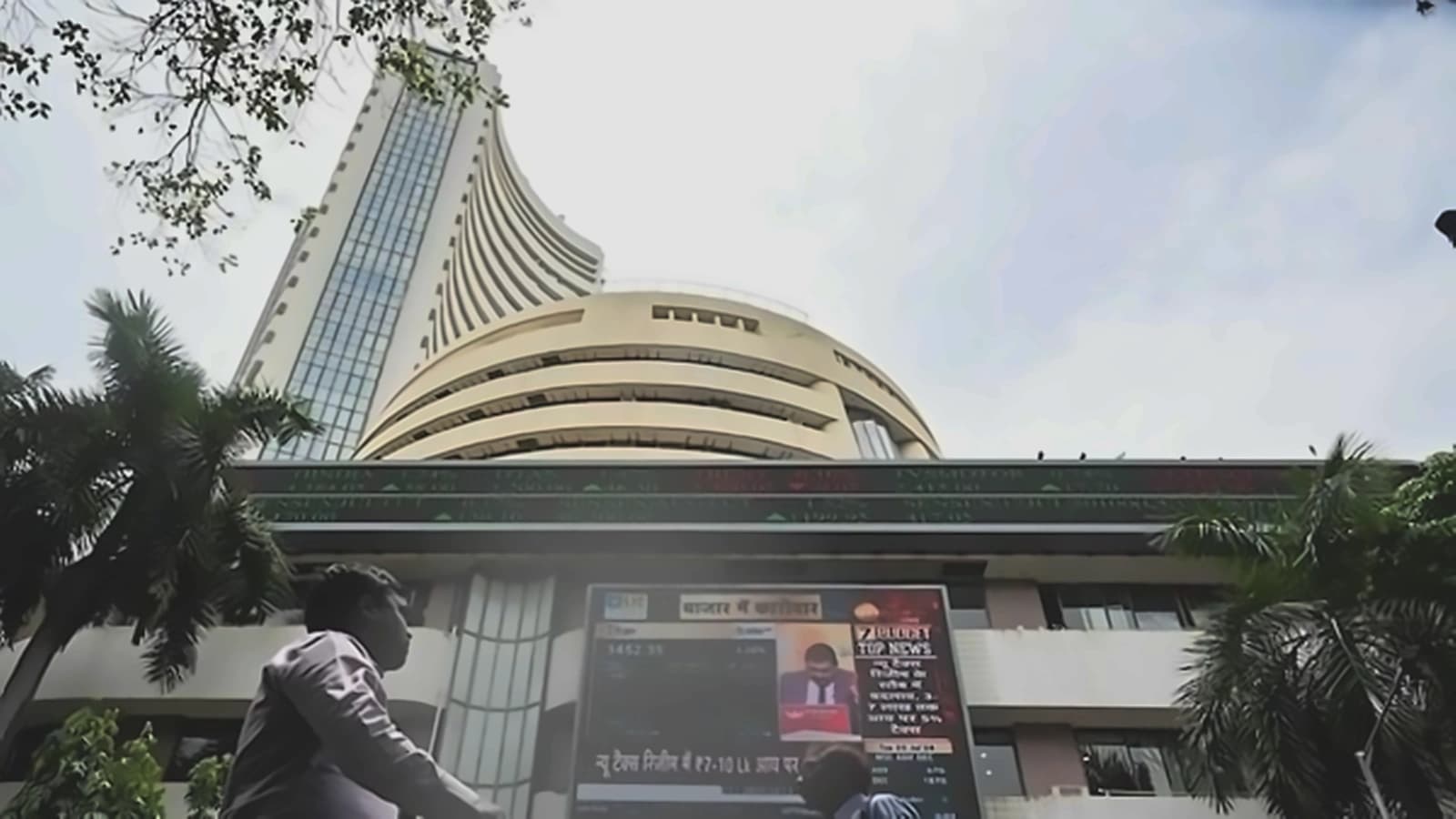
Indian benchmark indices closed lower on Monday, with the Sensex falling 443 points, or 0.6%, to 77,709 and the Nifty declining 96 points, or 0.4%, to 24,239, according to The Times of India. The decline came after Indian benchmark indices ended sharply higher on Friday, with the BSE Sensex jumping 480.95 points to 77,656.56 and the NSE Nifty rising 125.05 points to 24,201. Banking stocks led the decline after mixed earnings, with Axis Bank dropping 5.5%, HDFC Bank falling 5.1% and Kotak Mahindra Bank declining 2%, as financials exerted the maximum drag on the indices due to their weight and investor reaction to quarterly performance. Maruti Suzuki India fell 2.2% as financials dominated the negative sentiment. However, strong buying interest in ICICI Bank, SBI and other PSU banks helped the index recover from lower levels, with Bank Nifty witnessing selling pressure during Monday's session.
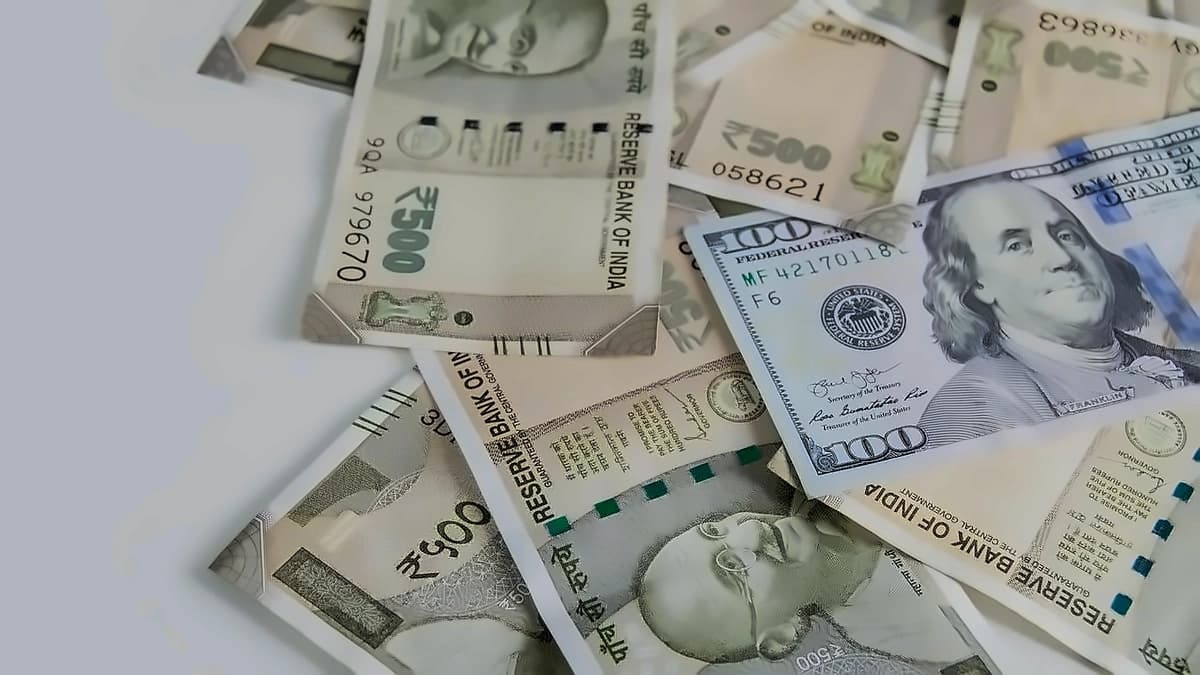
The rupee's decline was blunted by dollar sales from state-run banks, as reported by The Economic Times, in a pattern similar to price action observed in recent trading sessions. This intervention pattern is similar to mild interventions by the Reserve Bank of India that averted a sharp slide in the currency during previous sessions. According to Finrex Treasury Advisors LLP, exporters may sell near to 96.60 and above for intra-day exports while importers to keep buying dips. The firm notes that RBI may step in to prevent rupee from further depreciation but the overall trend of rupee looks like a depreciative path unless oil prices begin their downward journey again. Other oil-sensitive Asian currencies, including the Indonesian rupiah and the Philippine peso, also weakened as investors reacted to the rise in crude prices and broader risk-off sentiment in global markets.
India's foreign exchange reserves have shown remarkable growth, with the foreign currency assets component increasing by USD 964 million to USD 675.157 billion in the week ended July 10, according to the latest RBI data. As per The Hindu BusinessLine, in the previous reporting week, the overall kitty had jumped by USD 7.26 billion to USD 674.193 billion. The value of gold reserves increased by USD 24 million to USD 105.223 billion during the same period, while Special Drawing Rights (SDRs) were up by USD 3 million at USD 18.626 billion. Additionally, India's reserve position with the IMF increased by USD 7 million to USD 4.793 billion at the end of the reporting week. This substantial increase in reserves provides the RBI with additional flexibility to manage currency interventions and support market stability during periods of geopolitical uncertainty.