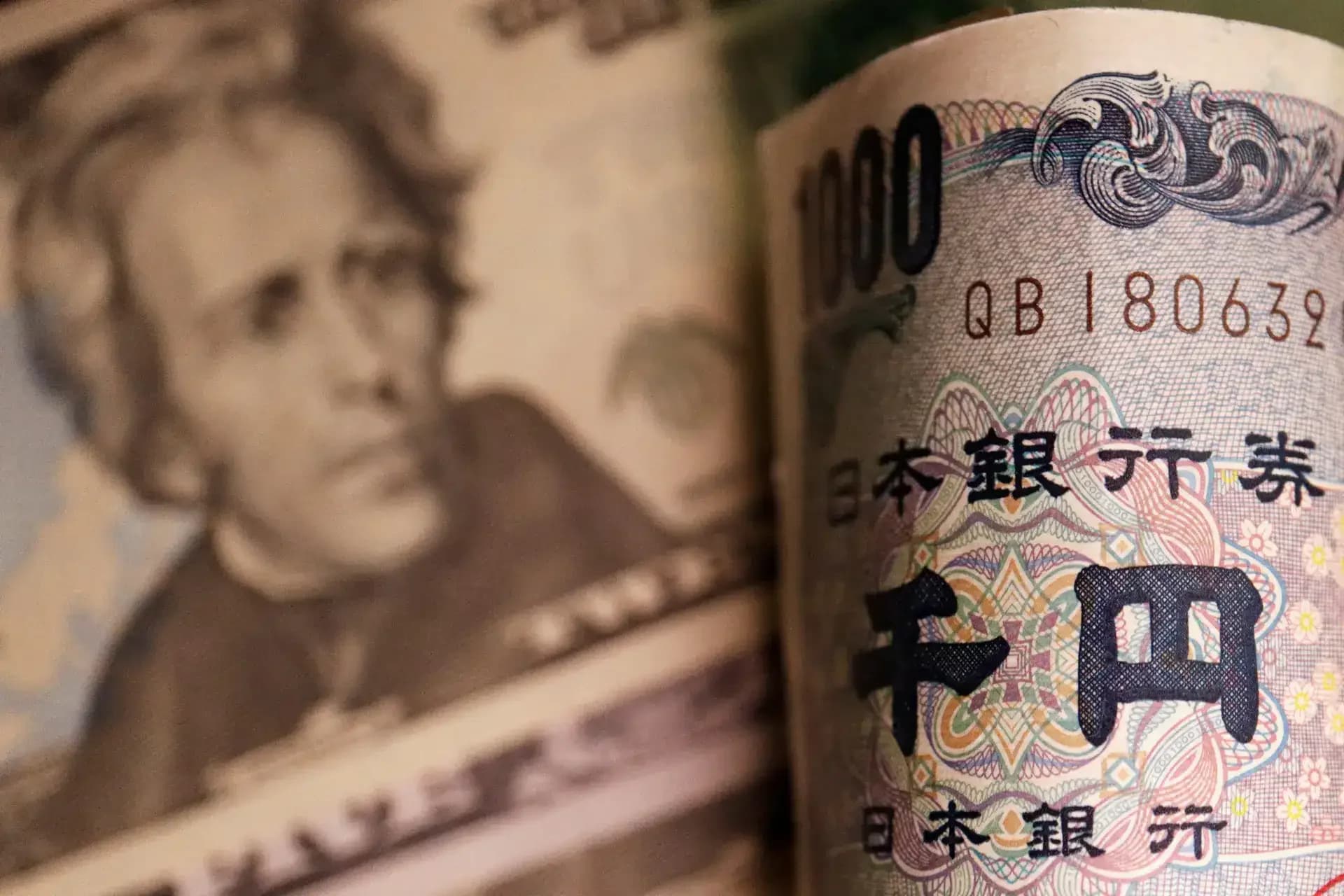
The dollar has strengthened against the yen and euro on Friday, building on previous gains as uncertainties regarding an Iran peace deal heightened demand for safe-haven assets. According to The Economic Times, the greenback rose to 158.505 yen in Asian morning trading, after gaining 0.4% on Thursday, putting it on course for a 0.7% weekly gain. The dollar had recovered from a bout of joint Japan-U.S. intervention that sent the currency tumbling from near a four-decade high above 163 yen to a 13-week low of 155.20 on Monday. Against the euro, the dollar edged up to $1.1521 after strengthening about 0.3% in the prior session. EUR/USD is currently quoting at 1.1544, almost unchanged on the day as markets await the US nonfarm payrolls data release.
Tensions continued to play out in the Gulf after Reuters reported a proposed deal between Iran and Oman to help end the U.S.-Iran conflict could give Tehran control over inbound traffic through the Strait of Hormuz. The U.S. did not immediately comment on the proposal, while President Donald Trump has said that a deal to reopen the strait was imminent, but U.S. officials have repeatedly insisted that they would never agree to Iranian control of access to the world's most important trade route for energy supplies. This development comes after the Bloomberg Dollar Spot Index rose 0.2% Thursday, marking the most significant gain since July 23, following three days of declines.
Brent crude rose over $1 on Friday to trade at $83.55 per barrel, after settling up more than $3 in the previous session. As reported by The Economic Times, Kristina Clifton, an economist at Commonwealth Bank of Australia, noted that "USD was supported by higher oil prices (following) news that a deal between the U.S. and Iran to reopen the strait is further away than hoped." The oil rally has boosted the greenback and weighed on currencies from energy-importing nations like Japan. Higher energy costs have sparked inflation concerns that could prompt the Federal Reserve to deliver an interest-rate hike in September.
Germany's seasonally adjusted trade balance came in at €15.4 billion in June, according to official data, reflecting a slowdown in export growth and elevated energy costs. The June figure marks a decline from the previous months revised surplus of €17.0 billion. As reported by Business Standard, exports edged up by 0.3% month-on-month, while imports increased by 1.7%. On a year-on-year basis, exports were down 2.1%, while imports fell 3.5%, pointing to subdued trade activity overall. The euro has witnessed sedated moves after a correction in last session pulled it from around seven-week high against the US dollar.

The dollar drew additional support from higher Treasury yields after a Financial Times report citing sources close to Federal Reserve Chair Kevin Warsh pointed to the potential for a September interest rate hike, depending on incoming data. According to The Economic Times, the heightening inflation risks weighed on Treasuries, sending yields higher. Analysts pointed to the FT report saying Warsh was open to a September hike if inflation data is strong, though Clifton expects the Fed to wait until December before starting a modest tightening cycle. A divided U.S. central bank left rates unchanged last month, but Warsh said he was committed to bringing inflation down.