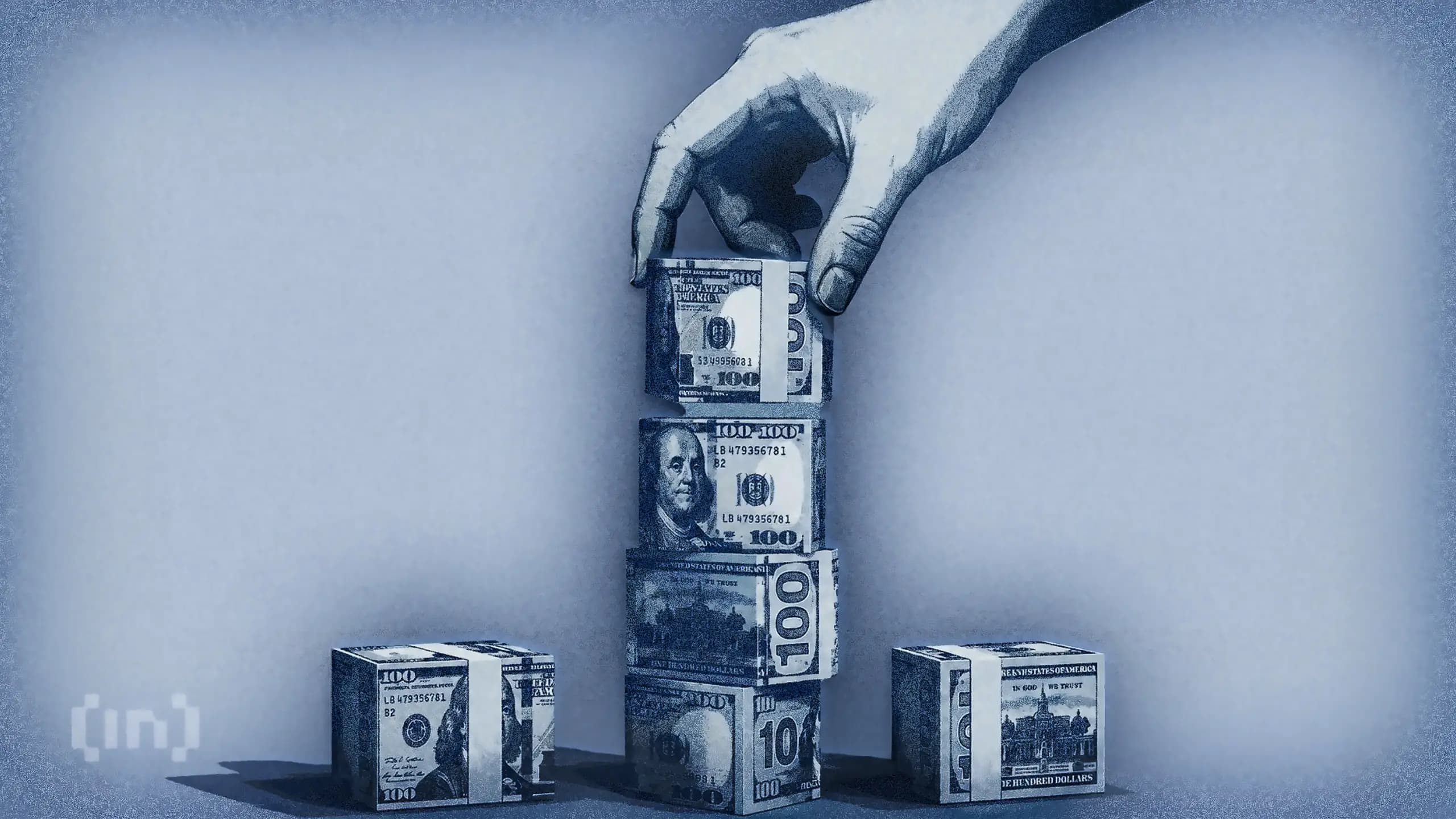
The dollar traded near a two-month high on Thursday as renewed Gulf hostilities sapped risk appetite across global markets. According to The Economic Times, Iranian attacks on Kuwait damaged its airport and injured dozens on Wednesday, while the U.S. military carried out strikes near the Strait of Hormuz, complicating prospects for a diplomatic end to the war. Although Israel and Lebanon agreed to a ceasefire, a broader peace deal remained elusive, keeping oil prices elevated and supporting demand for the safe-haven dollar. The dollar index remained near 99.46, just below the two-month high of 99.56 reached in the previous session, as reported by Reuters. Francesco Pesole, currency strategist at ING, noted that "it's hard to argue against dollar strength at this juncture," citing resilient U.S. economic data and fresh US-Iran military exchanges that have driven a risk-off shift in global markets.
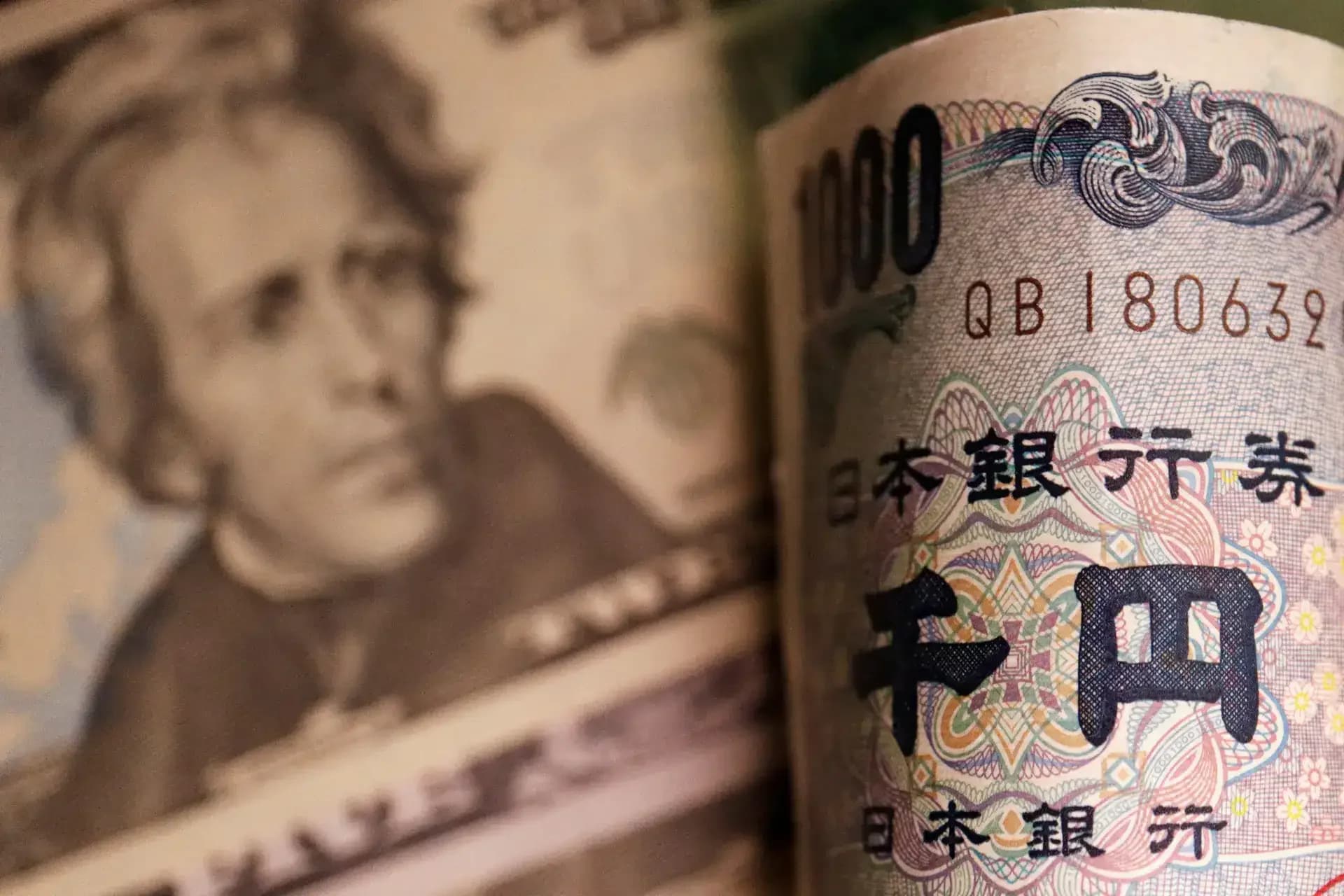
The Japanese yen traded at 159.89 per dollar on Thursday, hovering close to the key 160 level that markets view as a potential trigger for fresh intervention. According to The Economic Times, the currency fetched 159.89 per dollar, off lows on Wednesday that pushed it past the critical 160-per-dollar mark for the first time since April 30, triggering verbal warnings from authorities. Prime Minister Sanae Takaichi reiterated readiness to counter excessive currency moves, with her verbal intervention supporting the currency before a speech from Bank of Japan Governor Ueda. The yen's decline reflects the ongoing pressure from persistent dollar strength and geopolitical uncertainties that continue to challenge the currency's stability. Bank of Japan Governor Kazuo Ueda cemented a June rate hike in a narrative pivot toward inflation-fighting, as the Iran war-driven energy shock sharpens price risks and opens the door to more frequent increases in borrowing costs. Naohiko Baba, head of Japan research and chief Japan economist at Barclays, wrote that "the hawkish tone has strengthened further, including a clear expression of concern about behind-the-curve risk," with the bank sticking to its June rate hike call.
The British Pound experienced slight weakness today, with GBP/USD trading down 0.18% at 1.3424 after reaching near 1.3480 yesterday. According to latest reports from Bloomberg, the currency pair had edged up near 1.3480 yesterday but pulled back today amid broader market conditions. The pound's performance reflects the overall market sentiment as investors remain cautious about global developments, with the euro also standing at $1.161 after rising 0.1% amid similar pressures affecting major currencies. Comments from BoJ Gov. Ueda have been hawkish, signaling that the policy rate was not in the neutral range, as noted by Scotiabank's chief FX strategist Shaun Osborne. Against a basket of currencies, the dollar index remained near 99.46, just below the two-month high of 99.56 after robust US labor data reinforced expectations of a tighter Federal Reserve policy stance. USD/JPY has climbed to 160 as persistent dollar strength combines with renewed yen weakness, while traders remain alert to the possibility of intervention from Tokyo.
US equities approached two-week lows today, creating headwinds for global markets including the British Pound. As reported by Bloomberg, the S&P 500 futures were little changed while the Dow Jones Industrial Average futures fell 0.3%, reflecting continued market uncertainty. The market focus remained on US-Iran talks, with the U.S. saying Iran launched ballistic missiles toward regional neighbours but all failed to hit targets, and that U.S. forces conducted strikes on Qeshm Island in response. Brent crude rose 2.7% to $98.63 a barrel, lifting energy prices and contributing to the cautious sentiment affecting currency markets globally. U.S. job openings increased by the most in five years in April, with JOLTS job openings rising to 7.62 million, well above the 6.88 million expected and the highest reading in two years. The data suggest labour demand remains resilient despite higher interest rates, supporting the view that the Federal Reserve may need to keep policy restrictive for longer. According to The Economic Times, a survey showed a measure of prices paid by U.S. services businesses jumped to the highest level in nearly four years last month, cementing economists' views that the Federal Reserve would hold interest rates unchanged well into next year.
Commodity markets showed mixed performance with copper prices retreating from two-week highs as investors took profits. According to Reuters, the Shanghai Futures Exchange's most active copper contract gained 0.37%, closing at 106.380 yuan ($15,712.51) per ton, though this was below the 3-week high of 107.420 yuan set during evening trade. Aluminium, zinc, lead, and nickel all fell by 1% on the LME, while tin declined 0.45%. The stronger-than-expected U.S. job openings reading also weighed on metals, supporting the dollar and reducing expectations of near-term U.S. rate cuts. Meanwhile, spot gold fell 1% to $4,443.12 an ounce as investors rotated away from safe-haven assets. Bitcoin hit a four-month trough of $61,344 and was last 2.6% lower at $63,305, while ether similarly hit a four-month low and was at $1,786.
The DAX has opened lower on Wednesday as rising geopolitical uncertainty and the return of President Trump's trade tariff rhetoric weigh on sentiment. According to Investing.com India, reports of renewed hostilities between the U.S. and Iran have raised concerns over the fragile ceasefire, pushing oil prices higher and reviving inflation worries. Energy-sensitive airlines are under pressure, with Lufthansa down 1%, while banks are also weaker, with Deutsche Bank and Commerzbank falling 2.8% and 1.1% respectively as investors reassess the outlook for growth and interest rates. The Trump administration has proposed additional tariffs of 10% to 12.5% on imports from 60 economies, including the EU, threatening to reopen a trade dispute that many investors had assumed was largely behind us. Export-focused sectors are particularly vulnerable, with automakers such as BMW and Volkswagen trading around 2% lower. On the data front, German private sector activity contracted in May, with the services PMI falling to 48.1 as higher energy costs and weaker demand weighed on activity.