
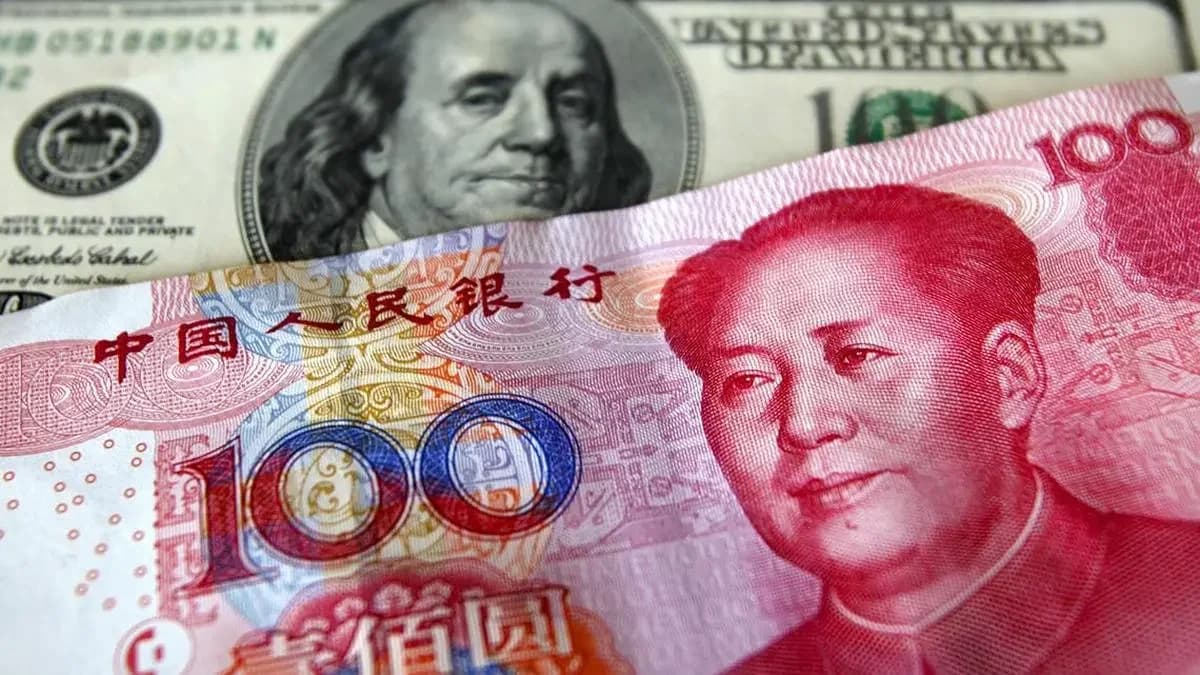
The yuan traded at 6.7837 per dollar on Monday, June 8, and is 3.1% stronger against the dollar year to date. According to reports from Reuters, this performance has made the yuan one of the best-performing emerging-market currencies since the Iran war began. The recent rise has been particularly notable as it continues to strengthen even as the US dollar reaches a two-month high against the euro, the Australian dollar, and the New Zealand dollar, driven by a stronger-than-expected US jobs report.
The People's Bank of China set its daily midpoint fixing on Monday, June 8, at 6.8198 per dollar, a full 248 pips softer than the Reuters consensus estimate. As reported by Reuters, the PBoC sets a reference rate each day around which the yuan can trade 2 per cent in either direction. Setting the rate softer than expected is a deliberate signal to prevent the yuan from rising too rapidly. Several Chinese banks have also raised dollar deposit rates in recent weeks, encouraging savers to hold dollars rather than convert them into yuan, easing pressure on the yuan's appreciation.
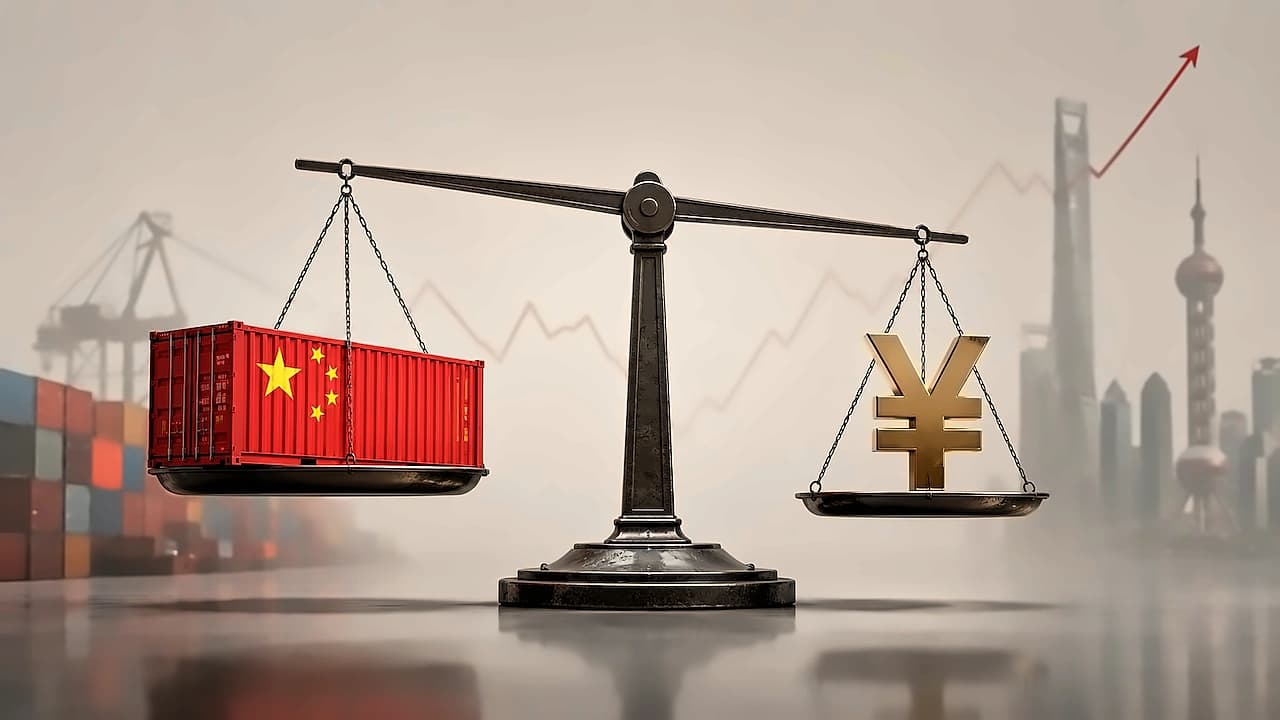
A too-strong yuan directly hurts Chinese exporters, as firms that earn dollars abroad and convert them into yuan at home receive fewer yuan per dollar when the currency rises, squeezing margins across China's manufacturing base. According to analysts at China International Capital Corporation (CICC), the yuan's moves are "broadly tracking the dollar index but with notably lower volatility." As reported by Reuters, the yuan is outperforming despite the dollar near a two-month high and the Federal Reserve pricing in a rate hike.
Huatai Futures analysts argue that the yuan's resilience "suggests that the drivers of the exchange rate have shifted beyond the interest rate gap, the difference between US and Chinese borrowing costs, increasingly reflecting stronger FX settlement flows and improved sentiment toward yuan-denominated assets." According to Reuters, real capital flowing into Chinese assets explains the divergence, but oil prices complicate the picture after rising more than $2 per barrel on Monday following Israel's renewed strikes on Lebanon. China is releasing its trade and inflation data this week alongside US CPI on Wednesday, making the next 72 hours the most data-intensive period for global currency traders.