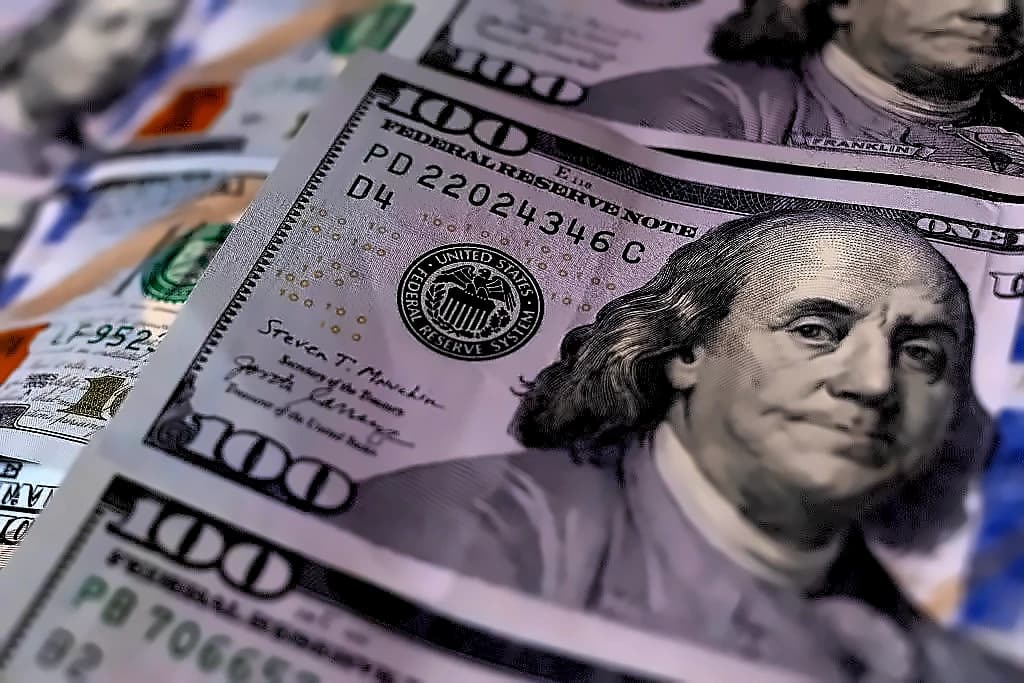
The latest Ditchley conference has revealed that while the dollar's dominance may be under greater scrutiny than at any point in recent years, there remains little sense that the euro is on the verge of displacing it. According to conference participants, reports of de-dollarisation remain exaggerated, with the international monetary system still resting on familiar foundations including military power, technological leadership, deep capital markets and abundant safe assets. The US remains dominant on most metrics, while China is rising fast, though Europe is positioned as a significant economic power but not a geopolitical or financial hegemon. The brief doubts surrounding the dollar after 'Liberation Day' tariffs may have reflected a temporary shock rather than a structural turning point, with the dollar's global role having repeatedly been declared unsustainable yet showing slow and uneven erosion so far.
According to The Hindu BusinessLine, economist Barry Eichengreen examines the historical pattern of currency dominance in his new book Money Beyond Borders. Throughout history, one currency has typically dominated international transactions, with the US dollar maintaining this role since World War II. Eichengreen's research traces this pattern back to ancient Greece, where the Athenian 'owls' served as international currency for centuries due to their consistent weight, fineness, and design. The Roman denarius, Byzantine gold solidus, Florentine gold florin, Spanish real, and British pound sterling all followed similar patterns of dominance, with issuing nations sharing common characteristics of being large international commerce hubs, politically stable, and economically advanced.
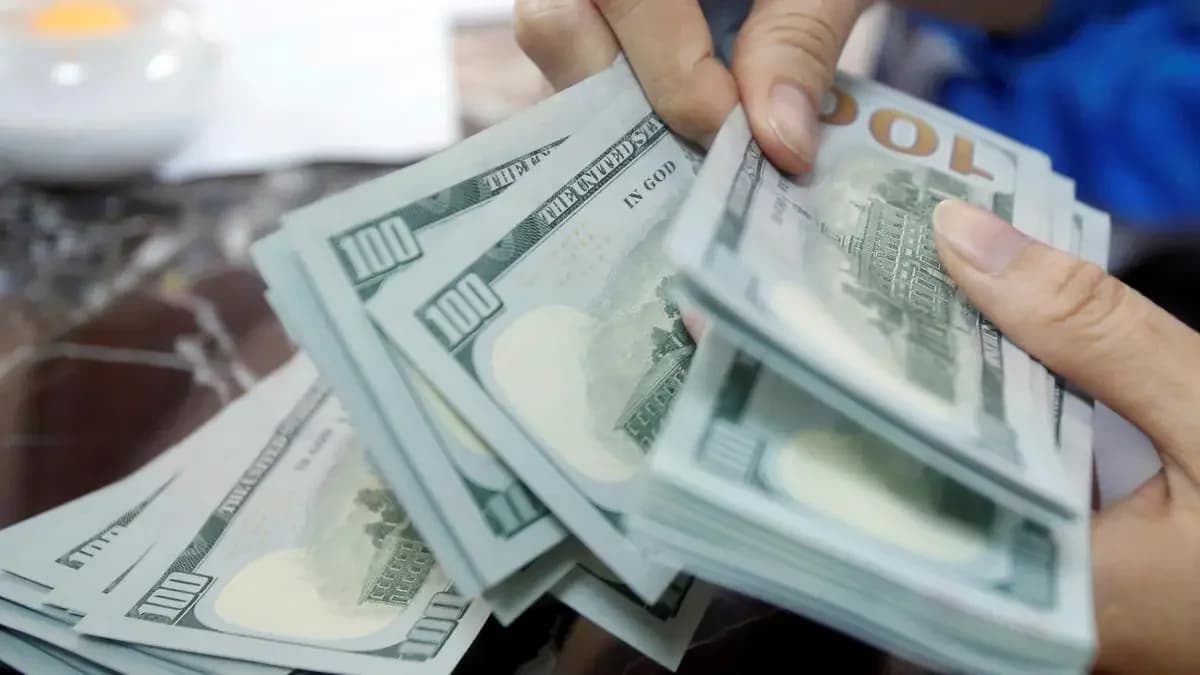
As reported by The Hindu BusinessLine, the US dollar maintains significant control over global financial markets. Approximately 90% of foreign exchange transactions involve the US dollar, while US dollar assets comprise the majority of international reserves held by world central banks. The currency is also used for invoicing about 40% of global trade. This dominance is attributed to the 'exorbitant privilege' that allows the US government and companies to borrow at lower interest rates due to increased global demand for US dollar assets. According to T. Rowe Price, the rates market offers a better way to express a short-term outlook for U.S. economic strength than overweight exposure to the U.S. dollar, with healthy U.S. growth and continued fiscal largesse expected to push yields on longer-maturity bonds higher.
According to Sada analysis by Andrew Bonney from Patomak Global Partners, Chinese-Gulf financial connectivity has expanded significantly through various channels. In November 2024, Emirati officials sent 50 million dirhams to China directly in renminbi and dirham, completely circumventing dollar intermediation. Chinese officials have established bilateral clearing mechanisms with the UAE and Qatar, while the First Abu Dhabi Bank directly participates in China's Cross-Border Interbank Payment System (CIPS). The Chinese government maintains swap lines with Saudi Arabia, the UAE, and Qatar to address liquidity concerns associated with increased RMB use. Additionally, China has established settlement arrangements with all six members of the Gulf Cooperation Council (GCC).
As noted by Sada analysis, several structural challenges limit RMB internationalization despite Chinese efforts. All Gulf states except Kuwait peg their currencies to the USD, ensuring exchange rate fluctuations do not affect domestic energy export revenues. The impossible trinity of controlled exchange rates, monetary autonomy, and capital mobility constrains RMB usage, with Chinese officials maintaining limited guidance to the offshore CNH market while fully controlling the domestic CNY. CNH-backed stablecoins represent only $3.2 million compared to $103 billion in USD-backed stablecoins as of October 2025. The analysis suggests that while Chinese officials can create financial infrastructure for RMB flows, market forces and trust limitations prevent meaningful displacement of the dollar's network effect. Conference participants pointed to capital controls, weak bond market returns, financial repression, and slowing growth as enduring obstacles to China's internationalisation.
The Ditchley conference revealed that Europe's growth outlook has brightened, but this reflects changes in the external environment—most notably greater US policy uncertainty and Germany's fiscal expansion—rather than meaningful progress in addressing Europe's structural weaknesses. Europe cannot build a reserve currency first and hope power follows later, with the sequence probably running in the opposite direction: growth, deeper markets, greater fiscal capacity, stronger technological capabilities and more credible security arrangements are prerequisites that would eventually pull the euro upward. The debate highlighted that Europe's biggest economic paradox remains intact: it is rich in savings but poor at turning them into productive investment. Without deeper capital markets and more integrated financial infrastructure, Europe will struggle to finance defence, decarbonisation and technological development. The session concluded that Europe possesses more latent monetary power than it often realises, with the question being whether it is prepared to build the political, fiscal, technological and security foundations required to unlock it.