GBP/USD is falling on Monday as the US dollar strengthens on renewed geopolitical tensions, while mounting political pressure on Keir Starmer weighs on sterling. According to reports from Investing.com India, the pound weakened ahead of another key speech from Starmer, who is facing growing unrest within the Labour Party following heavy losses in last week's local elections. More than 40 Labour MPs have reportedly called for the Prime Minister to step aside or outline a timetable for his departure, intensifying speculation over his political future. Former Deputy Prime Minister Angela Rayner warned the party may be facing its 'last chance' to change direction, while Labour MP Catherine West urged Cabinet ministers to remove Starmer, threatening to push for a leadership contest if dissatisfaction grows following today's speech.
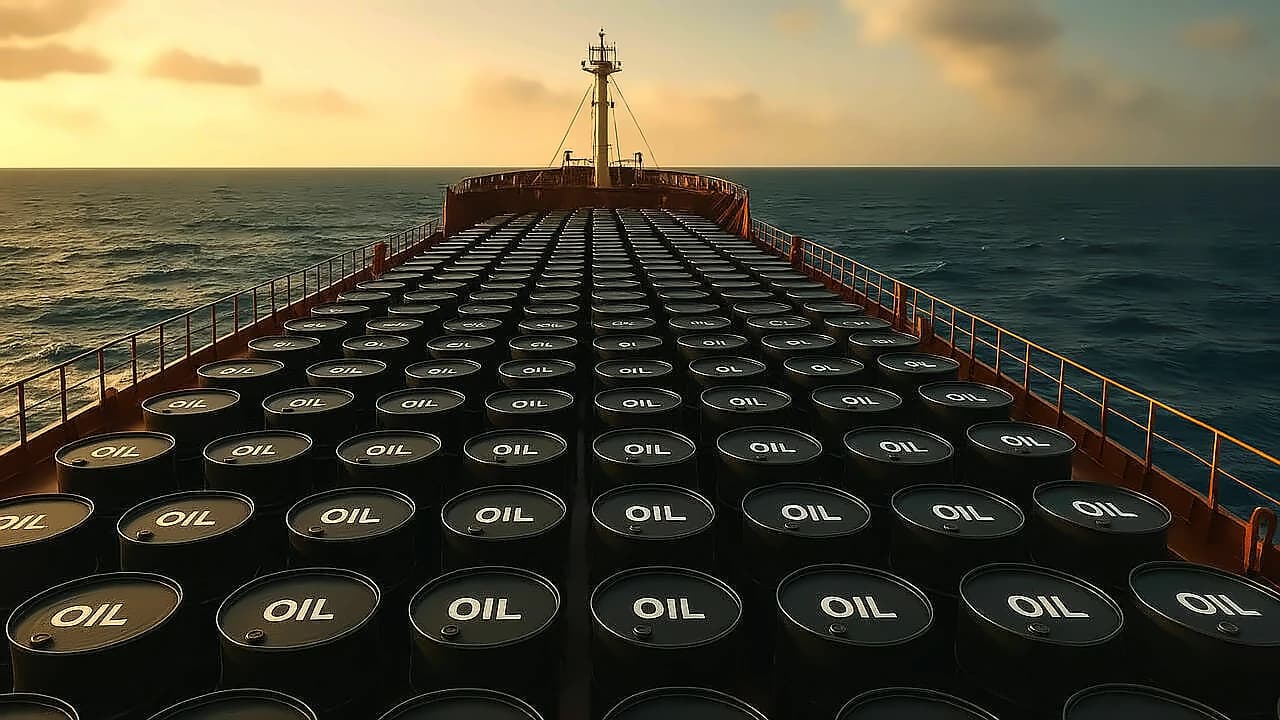
Oil prices surged dramatically on Monday after President Donald Trump rejected Iran's response to a U.S.-backed peace proposal as 'unacceptable,' heightening concerns over global crude supplies while the Strait of Hormuz remained largely shut. According to Phillip Nova and Investing.com India, Brent crude futures rose $4.04, or 3.99%, to $105.33 per barrel by 06:14 GMT, while U.S. West Texas Intermediate crude gained $4.43, or 4.64%, reaching $99.85 a barrel. The gains followed steep declines last week, when both oil benchmarks lost around 6% amid hopes that the 10-week conflict could soon ease, potentially allowing energy shipments to resume through the Strait of Hormuz. Saudi Aramco chief executive Amin Nasser said on Sunday that roughly one billion barrels of oil supply had been lost globally over the past two months, warning that energy markets may require significant time to recover even if exports begin flowing normally again.
The US dollar index rose more than 0.3% on Monday, resuming gains that paused on Friday, reflecting stronger performance of the US currency against a basket of major and secondary currencies. As reported by Investing.com India, the main driver remains renewed safe-haven demand due to fears of escalating military confrontation between the United States and Iran, especially after Tehran rejected the US peace proposal. Brent crude futures surged 3.6% to $104.94 per barrel after Trump rejected Iran's response to the US peace proposal on Sunday, with global oil prices jumping more than 5% at the start of the week. The diplomatic standoff appears increasingly entrenched, with Iranian state media framing Tehran's latest response as a rejection of what it described as a US demand for 'surrender'. Iran's counterproposal reportedly included demands for war reparations, recognition of full Iranian sovereignty over the Strait of Hormuz, the lifting of sanctions, and the release of frozen Iranian assets.
GBP/USD has recovered from the 1.32 support zone, rising above the 200 SMA to a high of 1.36. According to technical analysis from Investing.com India, the price trades above its rising trend line, which, combined with the RSI above 50, keeps buyers hopeful of further gains. Buyers will need to rise above 1.36 to create a higher high, opening the door to 136.50 and on to 137.00. Above here, brings 138—70 into focus: the 2026 high. On the downside, support is seen around the 1.3550 region, late last week's low, and the rising trend line support. A break below here opens the door to 1.3450, the late April low, before exposing the 250 SMA at 1.3420. Daily pivots show S1 at 1.3568, P at 1.3602, and R1 at 1.3659, with range trading continuing and intraday bias staying neutral for the moment.

Market attention now shifts squarely to President Trump's visit to China this week, where he is likely to discuss Iran alongside broader geopolitical and economic issues during meetings with Chinese President Xi Jinping. According to IG market analyst Tony Sycamore, there is hope he can persuade Beijing to leverage its influence over Iran to push for a comprehensive ceasefire and a resolution to the ongoing disruption in the Strait of Hormuz. U.S. officials said Trump is expected to arrive in Beijing on Wednesday, adding another layer of geopolitical uncertainty to markets already grappling with the Iran conflict. Traders are increasingly looking to China as a potential diplomatic influence that could help reduce tensions and restore stability to global oil markets, as the oil market continues to trade like a geopolitical headline machine with prices swinging sharply based on every comment, rejection, or warning coming from Washington and Tehran.