U.S. Senator Elizabeth Warren, the ranking Democrat on the Senate Banking Committee, has sent a letter to OCC Chief Jonathan Gould asking him to explain why the agency approved national trust charters for several crypto-focused firms. In her letter dated May 18, Warren stated that the OCC has approved at least nine national trust charters for crypto companies since December 2025, including Ripple, Coinbase, Paxos, BitGo, Circle, Fidelity Digital Asset Services, Crypto.com and Bridge (a Stripe subsidiary). The senator is demanding full applications of crypto companies the OCC has approved or conditionally approved, as well as communications between the office and President Donald Trump, members of his family and White House officials. The OCC did not immediately respond to media requests for comment on the letter.
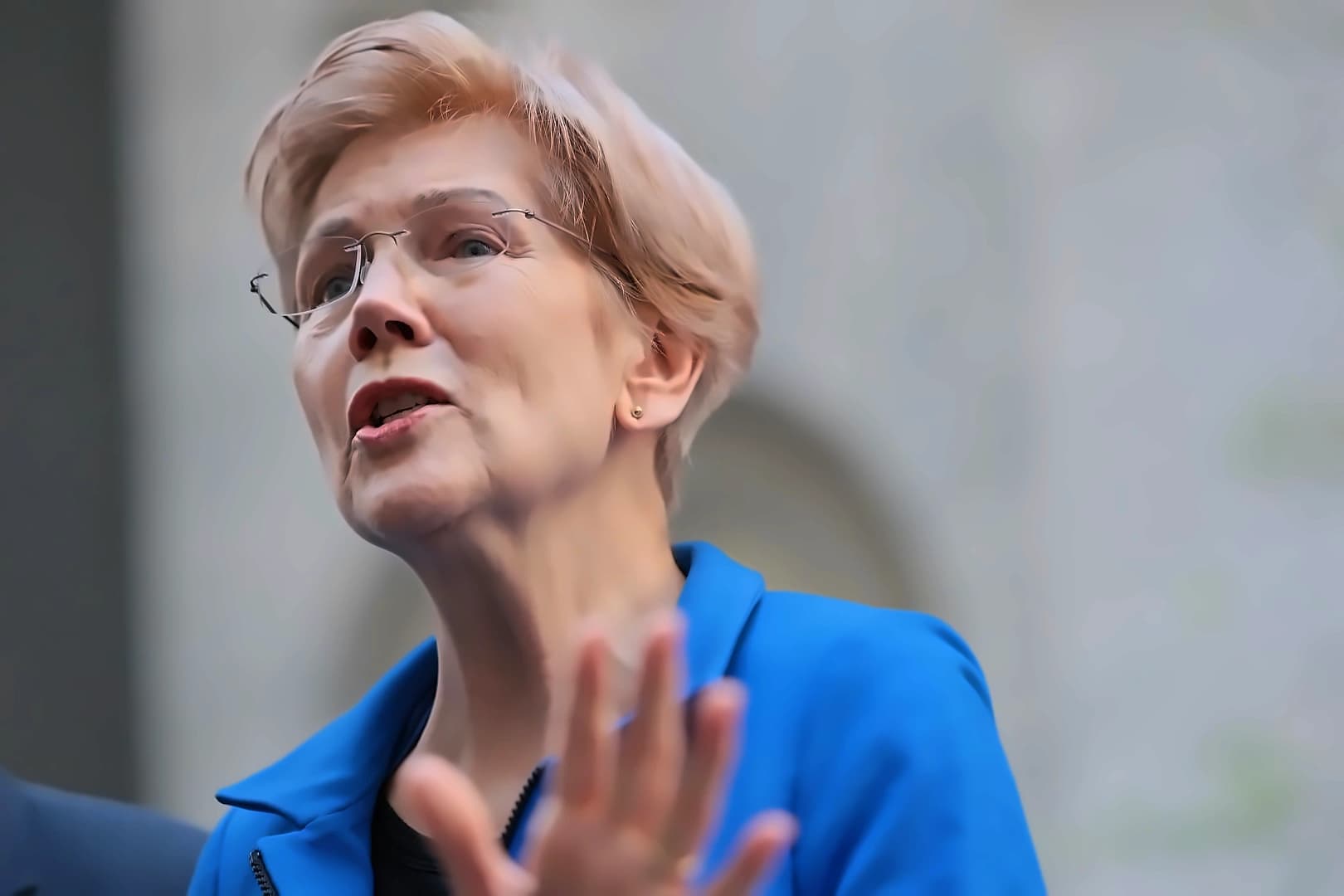
Warren's letter highlights what she describes as regulatory arbitrage, where crypto companies are avoiding the process to be approved as highly regulated, full-service national banks and instead taking narrower trust-bank charters. The senator argues these companies "look like crypto banks, not trust companies" despite their charter designations. She points out that the business plans include language suggesting companies intend to engage in non-fiduciary custodial services, payment activities, lending-related services and stablecoin operations. Warren's letter challenged the separation between trust banks and commercial banks, arguing these firms are blurring the lines while avoiding the stricter oversight that comes with full banking charters. The firms at the center of Warren's letter did not receive approval to operate as traditional commercial banks, as national trust charters do not permit FDIC-insured deposit taking or conventional commercial lending.
The Massachusetts lawmaker argues that the OCC's decision to facilitate this regulatory arbitrage not only conflicts with federal law but also poses serious risks to consumers, the safety and soundness of the banking system, and the separation of banking and commerce. Warren has repeatedly criticized the pending charter track for World Liberty Financial Inc., the crypto company that Trump and his family reportedly hold a stake in, and called on Gould to delay consideration of this Trump family-backed crypto business. The controversy comes as the crypto industry pushes for clearer regulatory frameworks while some lawmakers raise concerns about proper oversight. Warren wrote that the OCC's approach allows crypto firms to avoid the safeguards and obligations that come with being a bank while still carrying out services that can resemble banking activity. This could create risks for consumers and for the stability of the banking system if the firms are allowed to expand without the same oversight that applies to full-service banks.
The debate extends beyond Warren's concerns, as banking groups have also raised questions about federal oversight and receivership rules. In February, the American Bankers Association called on the agency to slow the approval of crypto-related national bank charters, citing unresolved questions around receivership procedures and federal oversight for firms working with digital assets. Supporters of the trust-charter model argue it provides a supervised path for digital asset firms that want to operate under federal oversight rather than state rules. However, critics, including Warren and banking groups, say the model can blur the line between trust activities and banking services if regulators do not apply strict limits. The controversy comes as federal agencies and lawmakers continue shaping rules for crypto custody, stablecoins and digital asset market structure, with some trust-chartered firms potentially playing roles in stablecoin operations under the GENIUS Act framework adopted last year.