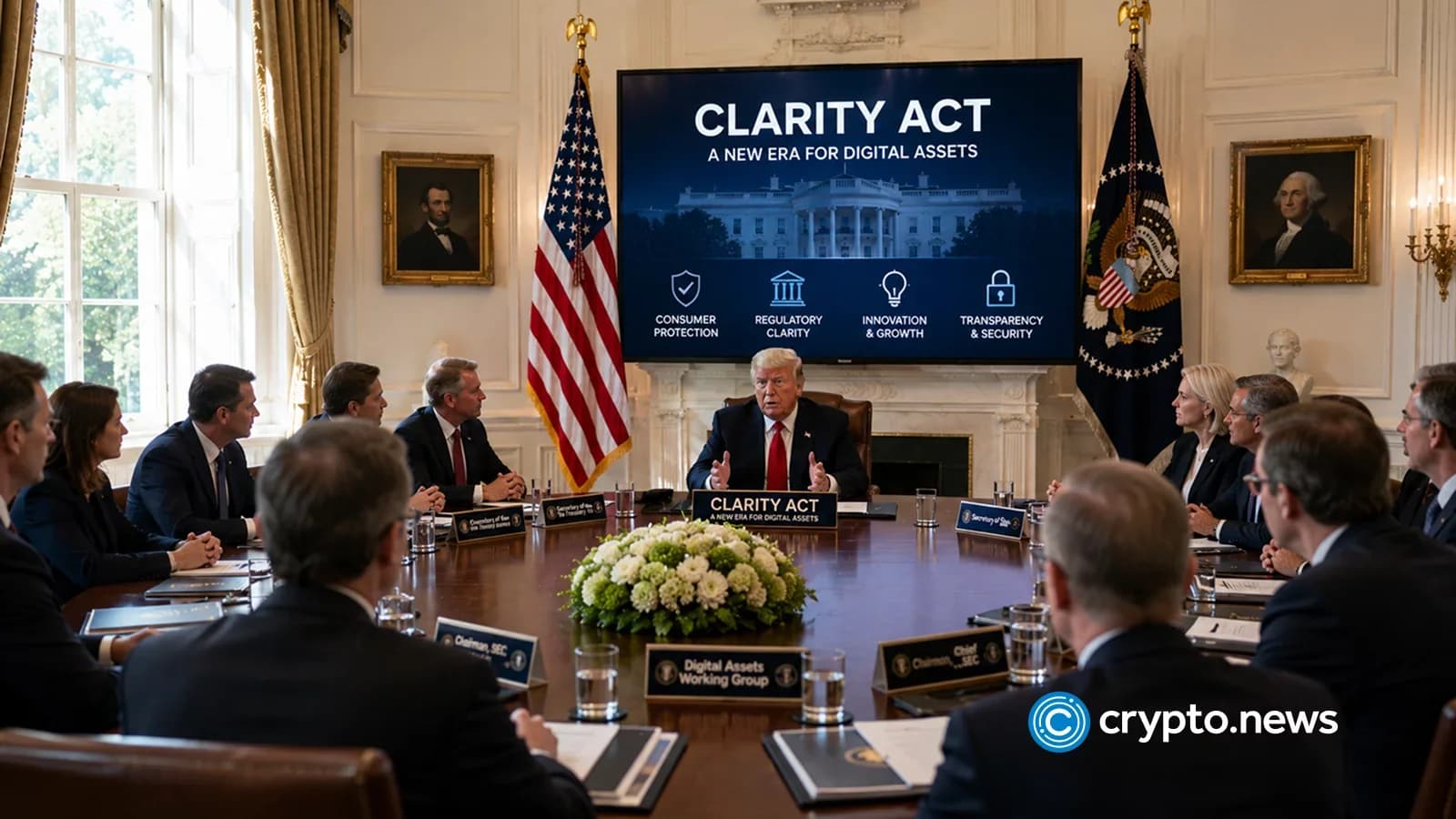
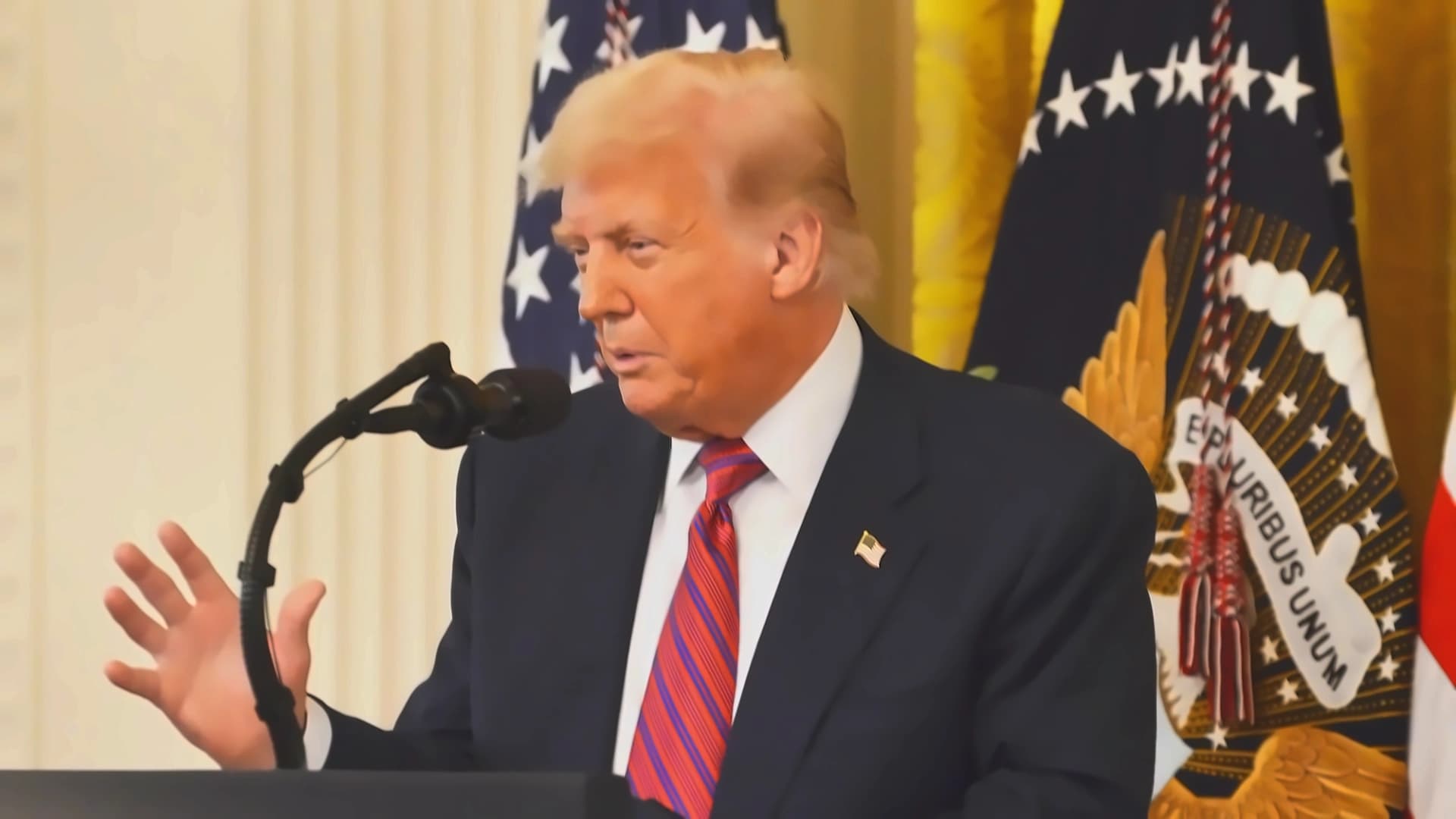
President Donald Trump met with crypto executives at the White House on August 19 and confirmed that discussions about additional U.S. Bitcoin purchases have been held, though he announced no government purchase decision, funding mechanism, or implementation timeline. When asked directly about additional U.S. Bitcoin purchases for the strategic reserve, Trump responded that the idea 'has been talked about', according to recent reports. The president stated he would likely rely on Securities and Exchange Commission Chair Paul Atkins and the broader policy team for recommendations, adding that he would listen if the group submitted recommendations. This development leaves the existing Strategic Bitcoin Reserve unchanged, as the administration would still need to identify a lawful, budget-neutral method before buying additional Bitcoin outside asset forfeiture proceedings.
The U.S. government established a Strategic Bitcoin Reserve on March 6, 2025, through an executive order that outlines how government-held Bitcoin may be managed and permits the development of budget-neutral acquisition strategies. According to reports from TheStreet, the reserve is capitalized with Bitcoin held by the Treasury Department that has been finally forfeited through criminal or civil asset-forfeiture proceedings, or in satisfaction of certain civil money penalties. The order directs agencies to review their authority to transfer Government Bitcoin they hold to the reserve and report the results to the Treasury secretary. Bitcoin transferred into the reserve cannot be sold and must remain a federal reserve asset, subject to limited legal exceptions, with agencies also directed to provide Treasury with a full accounting of government controlled digital assets.
The executive order directs the Secretaries of the Treasury and Commerce to develop strategies for acquiring additional Government Bitcoin, with those strategies must be budget-neutral and must not impose incremental costs on U.S. taxpayers. As reported by TheStreet, the accompanying White House fact sheet states that Treasury and Commerce are authorized to develop budget-neutral acquisition strategies, though the directive does not identify a purchase amount, schedule, or acquisition method. Treasury's existing authority does not include ordering banks to buy Bitcoin, with Treasury Secretary Scott Bessent previously telling Congress that the government would retain Bitcoin obtained through seizures while considering permitted budget neutral options. Potential approaches discussed by outside advocates include converting other federal assets or using revenue generated from government holdings, though the administration has not formally adopted those proposals.
ARK Invest's multi-scenario Bitcoin framework places its 2030 base case near $730,000 to $750,000 and its bull case at $1.5 million. ARK Invest founder Cathie Wood has consistently named government accumulation as one of the most powerful catalysts in her $1.5 million call for Bitcoin, with the logic being straightforward: sovereign demand on a fixed supply of 21 million coins produces price pressure that institutional ETF flows alone cannot replicate. Wood, who has predicted Bitcoin will reach $1.5 million, said in January that the Trump administration's purchase of BTC for its Strategic Bitcoin Reserve would be a catalyst for growth. The $1.5 million figure is the bull case, and it requires a version of what Trump gestured at yesterday - formal government purchasing programs that signal institutional confidence. Coinbase CEO Brian Armstrong pointed to an estimate that 67 million Americans own crypto, citing a 2026 National Cryptocurrency Association survey conducted with The Harris Poll that estimated roughly one in four U.S. adults holds crypto.
Bitcoin is currently trading at approximately $71,500, up from below $65,000 just four days ago, driven by the largest short squeeze since the crash on October 10 last year. The asset is still 43% below its all-time high of $126,000, and getting from $71,500 to $1.5 million by 2030 requires a 20-fold increase in under four years. These figures provide context for the scale of a $1.5 million long-term bull case, though they do not establish a future outcome. The government holds a significant amount of BTC according to the executive order, though no total holdings figure was provided. Even a successful vote on September 15 would leave several steps before the CLARITY Act is fully passed, with Armstrong noting that the bill is not scheduled for a final up-or-down vote on that date.