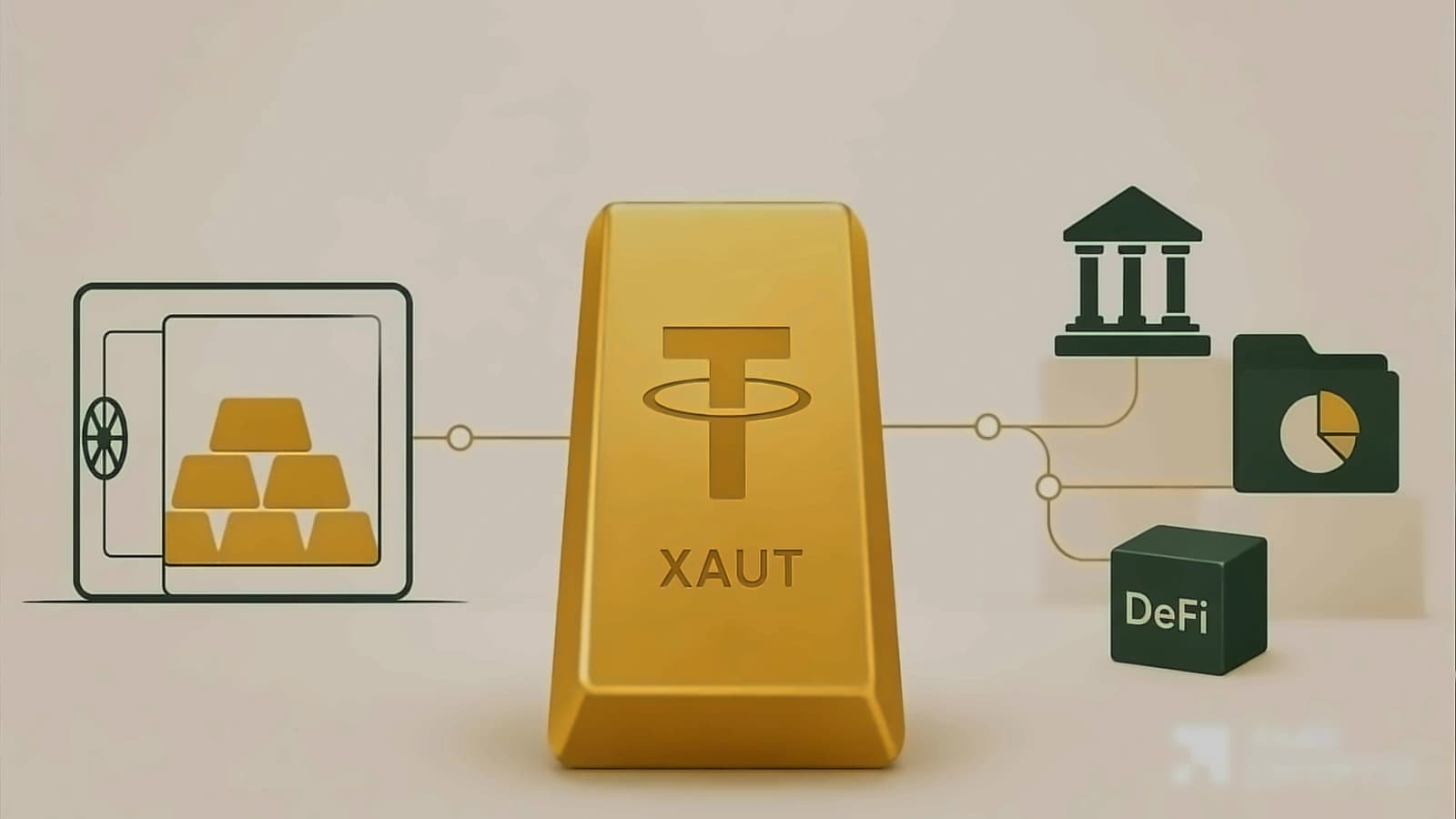
According to reports from AMBCrypto, Tether Gold (XAU₮) has surpassed $3.3 billion in total market value, representing a significant milestone in the tokenized commodities market. The tokenized gold market has grown to $7 billion, up nearly 600% from the start of 2025, demonstrating unprecedented growth in digital commodity adoption. Tether Gold accounts for nearly 40% of the tokenized gold market, highlighting its dominant position in this rapidly expanding sector.
As reported by AMBCrypto, physical gold demand reached a record high of $193 billion in Q1, representing a 74% jump from the previous year. The total Q1 demand for gold, including OTC transactions, increased by 2% year-on-year, with the massive price rise driving the overall value surge. This dramatic increase reflects what industry experts describe as a structural shift rather than merely investor hedging against uncertainty.
According to the Bitfinex Securities report cited by AMBCrypto, tokenization enables commodities to become 'mobile, flexible assets' that enable responsive risk management in volatile geopolitical conditions. Each 707,747.09 XAU₮ token is 1:1 physically backed by one fine troy ounce of gold (approximately 31.103 grams), with 148,145.45 XAU₮ tokens available for sale. The tokenization process makes gold instantly transferable and universally auditable, avoiding traditional settlement frictions.
As reported by AMBCrypto, Tether Gold CEO Paolo Ardoino emphasized that the platform is proving tokenized commodities can operate with institutional-grade seriousness and reserve discipline. The strict 1:1 backing, regulated issuance, and Swiss-vaulted reserves provide the transparency needed for institutional adoption. The tokenization trend has expanded beyond gold to include agricultural materials, oil, gas, and industrial metals like copper, though gold remains the dominant asset in this emerging market.

According to the Bitfinex Securities report, gold has transformed from a passive store of value into a more active, collateralized financial instrument. The increased demand for gold was driven by rising geopolitical and monetary uncertainty, with tokenization enhancing supply chain integrity and enabling responsive risk management in the current volatile environment. This structural shift represents a fundamental change in how commodities are accessed and managed in the digital age.