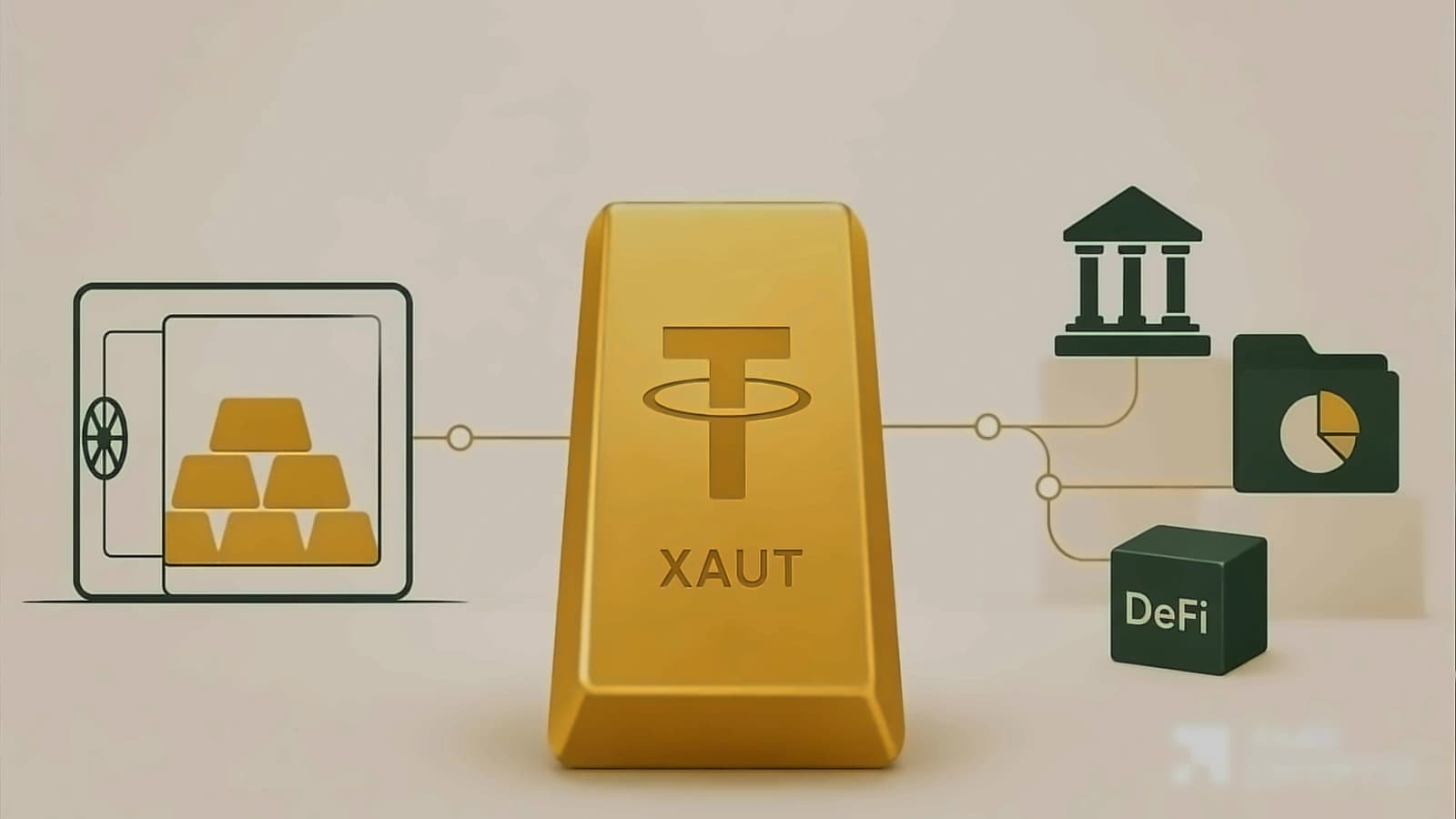
Gold prices experienced significant volatility during the second quarter, declining 14.1% to close at $4,008 per ounce, yet investor demand for tokenized gold moved in the opposite direction. According to reports from AMBCrypto, customer holdings of Tether Gold [XAUT] rose 9.5% during the quarter, adding more than 53,000 XAUT and representing ownership of an additional 1.66 tonnes of physical gold. This shift suggests many investors viewed the correction as an accumulation opportunity rather than a reason to reduce risk exposure.
Tether maintained 707,747 fine troy ounces of reserves throughout the quarter, as reported by AMBCrypto. Tether CEO Paolo Ardoino noted that holders of Tether Gold are not only buying XAUT when gold prices rise, but are also using periods of market weakness to increase their ownership of physical gold. The tokenized gold product has achieved a market capitalization near $2.85 billion, leading the sector within the broader tokenized commodities market worth approximately $5.6 billion.
Currently, only 8% or $230 million of XAUT's total market capitalization is being utilized within the decentralized finance ecosystem, according to AMBCrypto analysis. While many investors continue to utilize their tokenized assets as long-term reserve allocations, they have yet to fully leverage these assets as productive collateral. The broader tokenized commodities market remains limited in portfolio adoption, with greater liquidity, stronger collateral use, and clearer regulation needed to accelerate transition beyond defensive hedge status.
XAUT's Q2 results demonstrate an emerging trend toward tokenization of real-world assets within the cryptocurrency market. Unlike traditional bullion, tokenized gold combines physical ownership with continuous blockchain settlement, making it easier to trade, transfer, and integrate into decentralized finance applications. As reported by AMBCrypto, if tokenized commodity markets continue expanding, products with transparent reserve management could attract a larger share of defensive capital that previously remained outside blockchain networks, potentially moving beyond their current role as trusted hedges toward core crypto portfolio allocations.