Solana (SOL) faces significant downside pressure after breaking below the multi-year support level at $76.25, according to latest analysis from AMBCrypto. Despite posting a 2.65% daily gain to $65.40, the altcoin's technical indicators continue flashing bearish signals. The Average Directional Index (ADX) climbed to 46, signaling that a strong trend remains in place, while the current recovery appears to be a relief bounce rather than a trend reversal. Based on current price action, SOL could decline toward $50 if it remains below $76.25, representing a further 22% drop from current levels. However, a sustained move back above $76.25 could invalidate this bearish outlook, making the support level crucial for determining the next directional move.
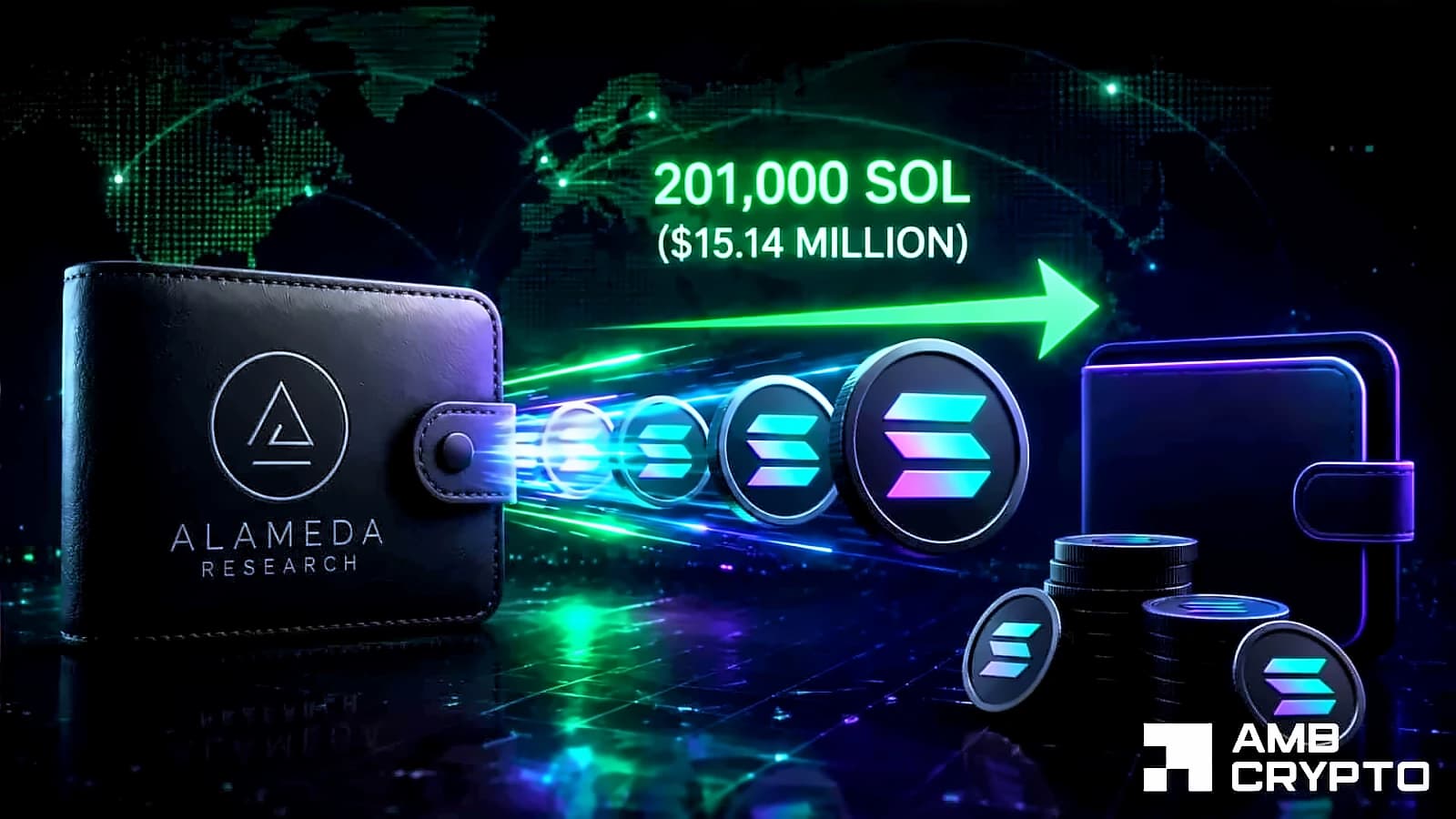
Recent token unstaking activity has intensified concerns about additional supply entering the market. According to Lookonchain, the defunct FTX and Alameda Research unstaked 200,241 SOL worth $12.99 million, likely tied to ongoing creditor repayments. Historically, FTX-related SOL unstaking events have often been followed by token distributions, increasing supply in the market. Additionally, Solana treasury firm Forward Industries transferred 455,784 SOL worth $31.87 million to Coinbase Prime, with the company having acquired 6.83 million SOL during 2025 at an average cost of $232.08. With SOL trading far below that level, the position is deeply underwater, suggesting additional supply could enter the market through these transactions.

Derivatives traders remain cautious despite steady inflows into U.S. spot Solana Exchange-Traded Funds (ETFs), with spot SOL ETFs recording $1.79 million in net inflows this week. According to CoinGlass, SOL's Long/Short Ratio fell to 0.99, indicating a growing preference for short positions. At current levels, $64.40 and $65.80 stand out as major liquidation levels, with traders holding $27.49 million in long positions around these levels and short positions totaling $49.26 million. This imbalance highlights stronger conviction among bearish traders, suggesting that if selling pressure persists, SOL could remain vulnerable to another move lower. The derivatives market positioning reflects broader market sentiment that remains cautious despite the recent rebound.
The most concerning indicator of the crash's severity is the total value locked (TVL) in Solana's DeFi protocols, which sits near $4.87 billion (excluding liquid staking), as reported by Crypto.news. This metric declined approximately 9.55% over the past week and roughly 15% over 30 days. The falling TVL indicates users actively pulled liquidity out of Solana's applications rather than simply marking existing deposits lower, suggesting genuine capital exodus from the network rather than just price-driven selling. According to DeFiLlama, Solana ranks among the top 3 chains by total value locked in DeFi protocols, while Cardano barely cracks the top 30, highlighting the significant gap between the two networks' DeFi adoption. The current market correction has intensified this trend, with most altcoins moving in lockstep with the broader market, also experiencing deep pullbacks.
The most damaging aspect of the crash is evident in holder behavior patterns, with hodler net position change dropping sharply from approximately 3.27 million SOL on May 31 to roughly 2.36 million SOL by June 6, according to Crypto.news data. This metric tracks long-term holders of 155 days or more, and the significant decline indicates that even the most patient investors sold into weakness, breaking their conviction rather than simply responding to speculative interest. This loss of long-term confidence represents the clearest evidence that the selloff was structural rather than temporary. The contrast with Cardano's community loyalty, while intellectually appealing, doesn't translate into on-chain metrics that show actual network usage. The current market sentiment reflects this broader confidence crisis, with trader Eugene Ng stating he has largely exited the cryptocurrency market since May 13, shifting focus to stock market research, citing greater depth of research and trading opportunities in traditional markets.