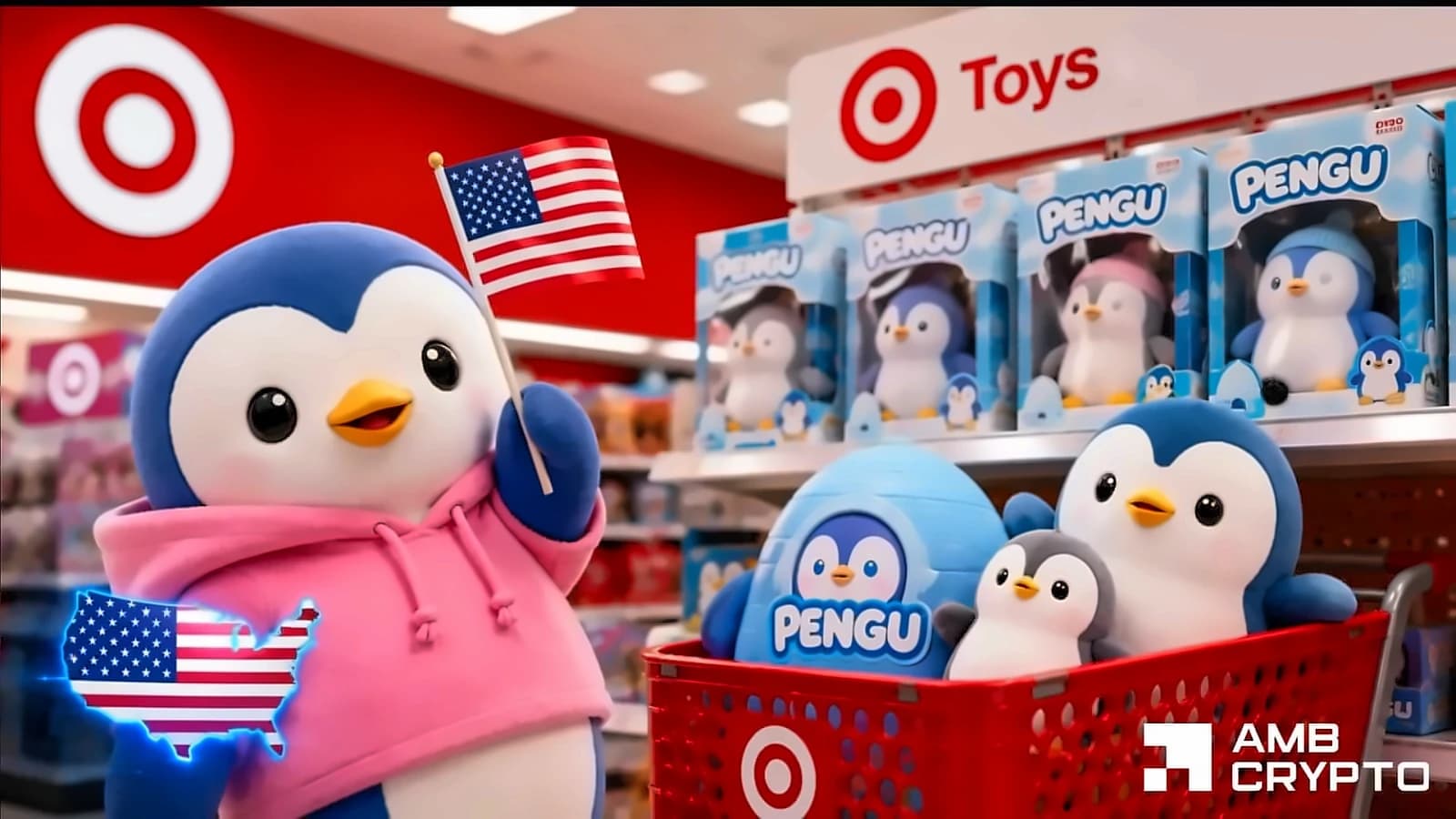
Pudgy Penguins has successfully expanded its physical retail presence by bringing Vibes Series 3 trading cards to Target stores nationwide across the United States. According to the latest reports, the Vibes TCG Season 3 hit shelves at Target stores around June 19, marking the franchise's most ambitious retail push yet. This represents the biggest retail expansion to date for the Vibes trading card game, with the project already having a successful run with physical toys before this latest expansion. Total circulated Vibes cards will reach 15 million with the new set, demonstrating substantial growth in the game's physical distribution. The move comes through a partnership with Orange Cap Games and builds on a physical product strategy that's already put Pudgy Penguins plush toys and merchandise in the same retail chain. As reported by industry analysts, this strategy allows buyers to access the brand without needing to hold PENGU tokens or own a Pudgy Penguins NFT, providing multiple entry points for new users.
The new Vibes Series 3 set introduces 195 new cards and features characters from the Moonbirds collection, another prominent NFT project. As reported by NFT Calendar in May, the set includes 'Fits' card types - a new mechanic used to upgrade character cards during gameplay. According to the Cointelegraph press release, the set is designed to be more than a simple collectible, with Pudgy Penguins including additional gameplay mechanics that can help keep the physical product connected to the broader 'play-to-collect' narrative behind the project. The new series introduces fresh gameplay mechanics, street artist collaborations on the artwork, and tiered Soulbound Tokens for Pengu Card users. These non-transferable digital assets are tied to a specific wallet and function like merit badges that prove user accomplishments, creating a bridge between the cardboard in users' hands and the blockchain entry on their screens. The inclusion of Moonbirds characters in Vibes Series 3 also points to a wider franchise strategy, using physical products to connect different digital-native brands under a more accessible consumer format.
The Target card launch represents a consumer goods play rather than a crypto move, designed to appeal to collectors and casual shoppers without requiring any crypto knowledge. As reported by industry analysts, this strategy allows buyers to access the brand without needing to hold PENGU tokens or own a Pudgy Penguins NFT, providing multiple entry points for new users. The PENGU token, launched on Solana in Q4 2024, rallied roughly 7% around the time of the Target announcement. As of June 20, the token was trading at approximately $0.0067 with a market cap of around $420 million. CEO Luca Netz, who acquired the Pudgy Penguins project in 2022, has framed the Target rollout as a critical step in building what he envisions as a global entertainment brand. The project's licensing model ties ownership to physical product value, with NFT holders receiving 5% of net revenue from physical products featuring their individual penguins, creating a continued link between on-chain ownership and offline sales. The move places Pudgy Penguins in a retail environment far removed from NFT marketplaces, giving the brand access to casual shoppers, families, collectors, and card-game buyers who may have little direct exposure to blockchain-based assets.
Vibes is described as a physical and digital trading card game built around Pudgy Penguins IP, allowing users to collect, trade and compete with penguin characters that have different abilities and rarities. The game was developed by Orange Cap Games in partnership with Pudgy Penguins, creating a hybrid approach that combines traditional card game mechanics with digital elements. The launch follows earlier Vibes releases and builds on the project's push into toys, games and licensed products. The Series 3 incorporates original artwork and characters from its Moonbirds collection, adding a visible bridge between separate NFT communities in a format that doesn't require buyers to navigate a crypto wallet. The cards are now available at Target locations nationwide throughout the U.S., giving collectors and casual shoppers alike access to Pudgy Penguins merchandise without ever touching a crypto wallet. Cards are easier to distribute, easier to collect, and more familiar to mainstream consumers than NFTs, giving Pudgy Penguins a product line that can scale through repeat releases, limited editions, gameplay updates, and collaborations with other intellectual property.
The Target card rollout demonstrates how some NFT projects are testing physical products as a way to stay relevant after the first NFT market boom. According to industry analysis, Pudgy Penguins continues to connect its token, games and consumer products, with the token sitting beside the brand rather than replacing its retail push. The Pudgy Penguins model is closely watched because it links NFT ownership to commercial licensing, allowing holders to receive 5% of net revenue from physical products featuring their individual penguins. The franchise has already shown up at the LA Card Show and San Diego Comic-Con, treating its IP less like an NFT project and more like a media property in the making. The Soulbound Token integration quietly introduces blockchain concepts to consumers who might never visit a crypto exchange. The project's success will depend on the product itself - card designs, rarity structure, pull rates, and the secondary market that develops around them, with collectors being particularly picky about what's worth chasing. The expansion does not remove risks tied to NFT-based consumer brands, but physical retail brings inventory, shelf-space competition, and demand uncertainty. The success of this retail push could signal broader acceptance of Web3 brands in traditional markets and increase engagement with blockchain technology among mainstream consumers.