Cash App's $25 NFC Magic Wand sold out shortly after going live on June 4, marking the debut of Block's new 'Cash App Tags' hardware lineup. According to reports from Block, the quick sellout signals strong consumer appetite for accessory-format payment tools, particularly among younger users who already anchor their financial lives around the platform. The launch represents Block's formalization of a viral social media trend where users hid tap-to-pay cards inside homemade wands for contactless purchases. As confirmed by Block, the wands are limited to about 10,000 units before the company moves on to another 'drop', with additional tag form factors planned for later this year. Users can expect more tags to be dropped throughout the summer, with the company maintaining its limited-edition approach to create scarcity and drive demand.
The Magic Wand features a pearlescent, star-tipped design with a keychain ring for attachment to bags or clothing. As reported by Block, the device connects to the Cash App Card and runs on Visa's tap-to-pay network, making it compatible with any contactless-enabled terminal. Users receive instant spend notifications and can lock or deactivate the tag remotely if lost. Block confirmed it also monitors tag transactions for fraud in real time, with Thomas Templeton, hardware lead at Block, framing the launch as an effort to bring payments into public view. The Tags are NFC-enabled devices that don't require Wi-Fi or Bluetooth connection - users simply hold the device to the back of a phone to link it to their Cash App account. The devices are built to be very small, don't need batteries, and are resilient enough to go through a washer and dryer.
Recent user testing reveals the Magic Wand's practical functionality alongside its whimsical appeal. As reported by Block, users have successfully paid for coffee, Taco Bell, and beverages using the device, with one user even paying their $2.85 Muni train fare in San Francisco. However, the wand was declined at a smoke shop due to improper card setup, highlighting the importance of proper configuration. Templeton emphasizes the product's "fun and whimsical" nature, noting that while digital payments have made buying quicker, they've also made the process "quieter and almost invisible." The goal is to keep payment tools "top of wallet" and make buying something "a conversation starter." However, some users have expressed concerns about the wand's small size, with one user on X commenting: "How cute, but man, I'd put it down to go [get] something, get distracted & forget it."
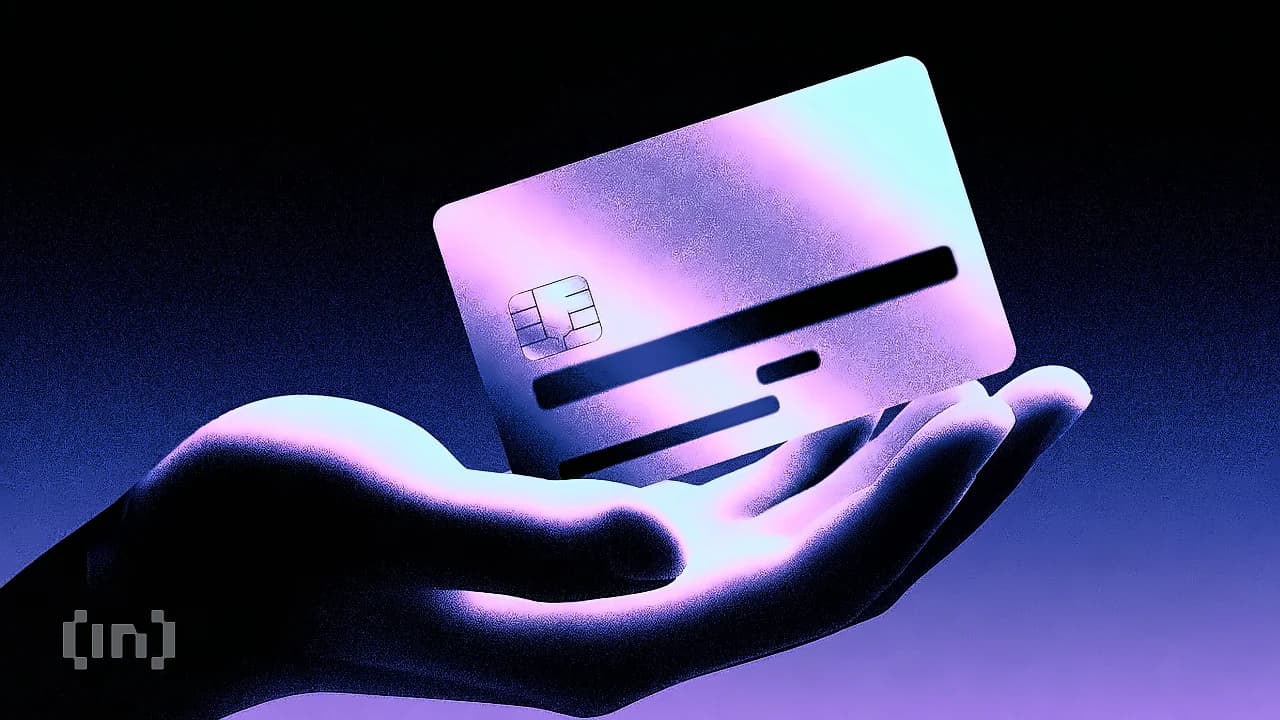
The launch builds on Block's sustained push into younger demographics, with one in five U.S. teens already carrying a Cash App Card, according to data cited by the company. In April 2026, Cash App introduced a parent-controlled debit card for children aged six to 12, extending the funnel even further down the age curve. Cash App is largely targeting Gen Z users with this launch in a move to attract younger users to the app, with the company introducing accounts for teen users in 2021 and expanding its hardware footprint beyond payments with the Block Bitkey Bitcoin wallet.
The Magic Wand launch comes months after Block completed a significant restructuring that cut the workforce by roughly 40%, leaving the company with just under 6,000 employees. As reported by Block, the company has since refocused on consumer products, including Cash App. Templeton reports that "Block's doing great" and the company is "shipping faster than ever" and "moving like a startup again." Block confirmed additional tag form factors are in development, with limited-edition drops planned before some versions become permanently available later this summer. The company's approach was driven by the realization that "The card form factor is limited" - even the best card lives in your wallet, tucked away and hidden. As Templeton explains to Fast Company, they wanted to build something for moments when reaching for a phone or wallet is inconvenient, but also something people would actually want to be seen using.