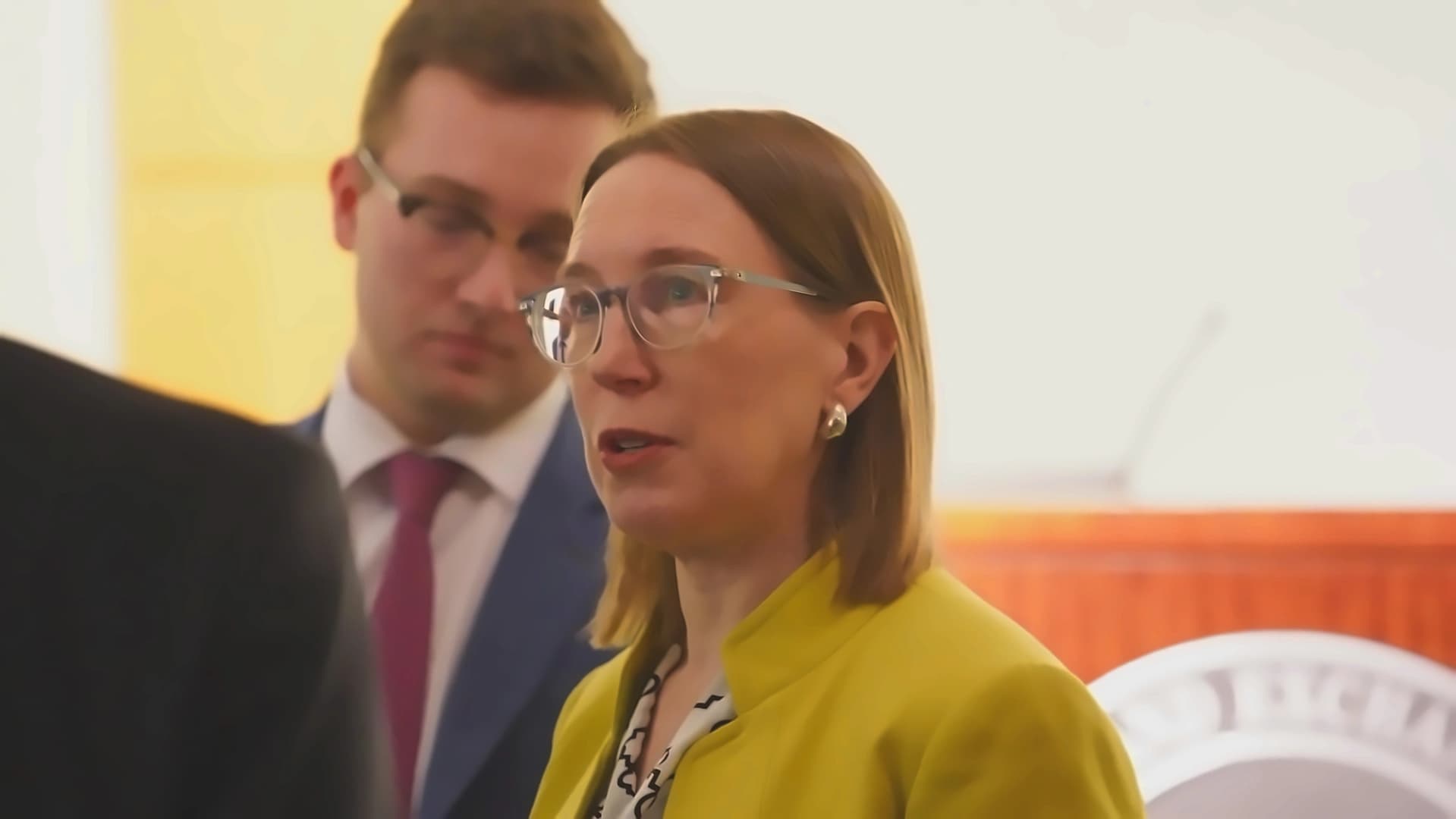
SEC Commissioner Hester Peirce has delivered a comprehensive challenge to broad SEC oversight of blockchain infrastructure, arguing that securities rules should not automatically reach neutral networks, open-source code, and noncustodial tools. Speaking at the IC3 Blockchain Camp at Princeton University on June 3, Peirce framed crypto regulation as a boundary problem, questioning whether securities rules should cover blockchains, validators, developers, and neutral software. As reported by CoinDesk, she noted that the SEC's rulebook relies heavily on intermediaries, creating pressure to find brokers, dealers, exchanges, and custodians in systems built to reduce reliance on them. The commissioner emphasized that shared software use alone should not create an exchange registration duty when nobody controls the system.
Peirce's framework focuses on whether a participant controls assets, exercises discretion, or performs functions traditionally handled by securities intermediaries. According to CoinDesk reports, she argued that the SEC should focus on who controls assets, who makes decisions, and who performs securities functions. The commissioner drew a line between blockchain infrastructure and securities market activity, stating that neutral infrastructure should not become a regulated securities platform merely because it carries blockchain data. Her argument could affect decentralized finance (DeFi), validators, node operators, user interfaces, developers, and centralized crypto platforms, placing regulatory focus on conduct, control, custody, and discretion rather than infrastructure alone.

Peirce's speech outlined differentiated treatment for various crypto actors. As reported by CoinDesk, centralized crypto actors still face securities regulation when they control customer assets, hold funds, or exercise discretion over securities. Onchain centralized finance may remain fair game for SEC oversight. However, true DeFi, noncustodial tools, and autonomous software could receive different treatment when no controlling party exists. The commissioner urged builders to solve risks before regulators intervene, pointing to stronger audits, better key management, safeguards against hacks, and clearer disclosures about decentralization trade-offs. Her remarks drew attention to the distinction between blockchain networks and software tools that should not automatically fall under securities regulations simply because they facilitate transactions.
Peirce's comments followed an April staff statement from the SEC's Division of Trading and Markets on certain crypto user interfaces. According to the SEC staff statement, some interfaces that prepare code for users to interact with blockchain protocols through self-custodial wallets may avoid broker-dealer registration if they meet stated conditions. As reported by CoinDesk, such interfaces may convert user-selected transaction details into blockchain-legible commands, provide market data, and show educational material. The staff also noted that the interface provider's role matters when assessing whether broker-dealer rules apply.
The SEC's Crypto Task Force has been reviewing how federal securities laws apply to digital assets, decentralized systems, and market infrastructure. According to CoinDesk, the task force was created as the agency moved away from former Chair Gary Gensler's enforcement-heavy crypto approach. SEC Chair Paul Atkins has criticized "regulation by enforcement" and has called for clearer rules for digital assets. Peirce, who leads the task force, has long argued that crypto firms and developers need clearer legal boundaries. Her latest speech represents a significant evolution in the agency's approach to blockchain regulation, emphasizing that "crypto offers us the opportunity to think carefully about when, why, and how the securities laws should apply."