According to recent reports, KuCoin Pay has continued its global expansion with additional QR-based payment support in Argentina and Peru in June 2026, building on its existing presence across Brazil, Mexico, Bangladesh, Zambia, and Peru. The platform now supports more than 50 cryptocurrencies, including USDT, USDC, Bitcoin, and KCS, with instant settlement and no transaction fees charged by KuCoin. Users can scan supported national QR codes or select local transfer networks, with approved refunds returned to the user's funding account in USDT. This approach removes blockchain addresses and network selection from the checkout experience while maintaining the familiar local payment methods.
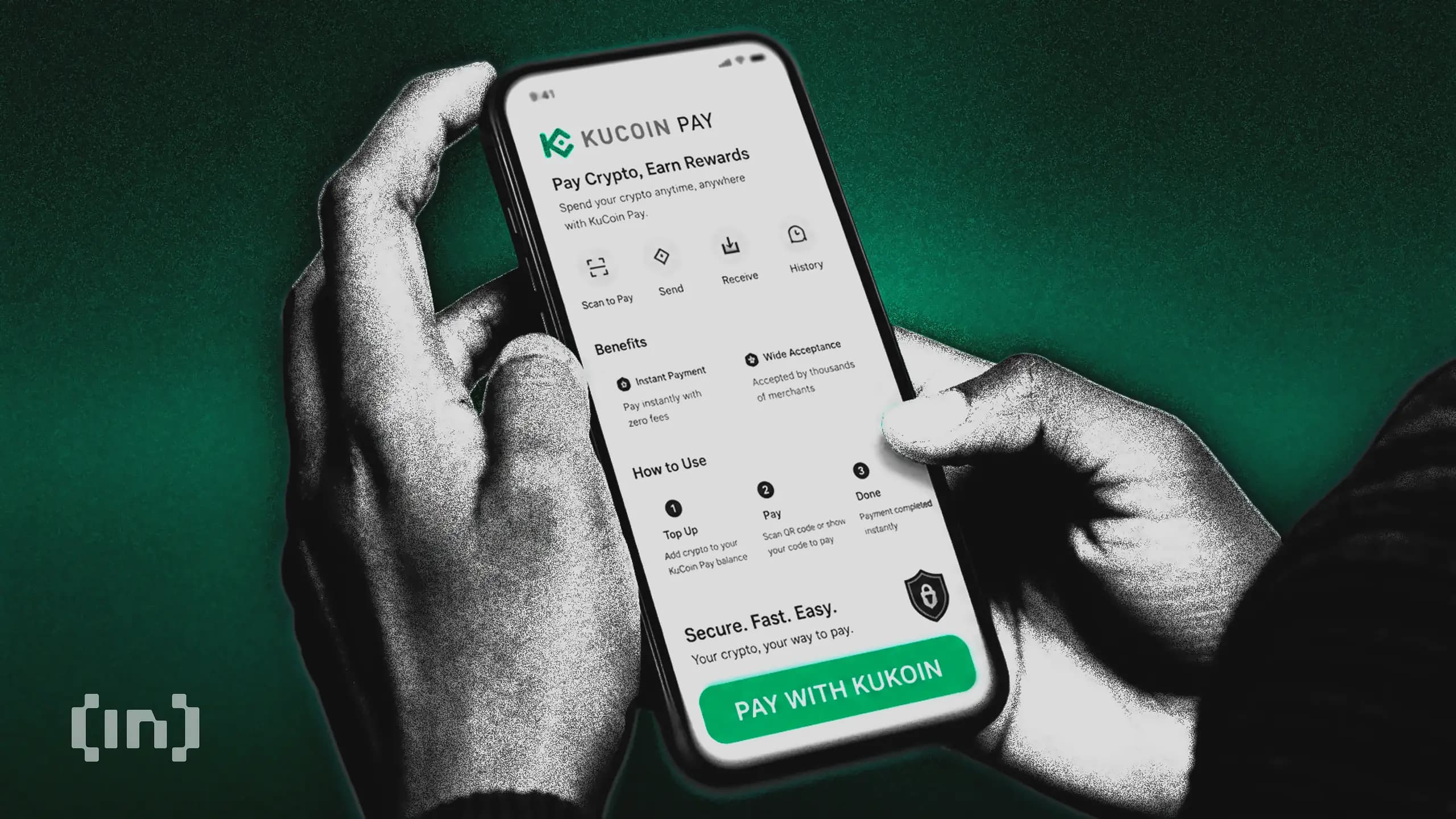
As reported by KuCoin, the platform addresses the fragmentation between global crypto networks and local retail payment systems by handling payment translation within a single interface. The service supports more than 50 cryptocurrencies, including USDT, USDC, Bitcoin, and KCS, with instant settlement and no transaction fees charged by KuCoin. Users can scan supported national QR codes or select local transfer networks, with approved refunds returned to the user's funding account in USDT. This approach removes blockchain addresses and network selection from the checkout experience while maintaining the familiar local payment methods. The platform also maintains earlier integration with Brazil's Pix network and broader QR payment coverage across Southeast Asia, alongside Open CryptoPay support in Switzerland.

According to KuCoin data, the platform has demonstrated strong growth metrics with 25x order growth and 60% growth in service partner and merchant numbers. The World Bank's Global Findex 2025 found that 79% of adults worldwide now have a financial account, with 84% owning a mobile phone in low- and middle-income countries. Visa estimated that stablecoin supply grew by more than 50% during 2025 to $274 billion, with annual transaction volume above $10 trillion after filtering high-frequency trading wallets and automated activity. However, consumer spending remains a narrower market, with Visa's crypto head noting that stablecoins still lack merchant acceptance at scale.
As reported by KuCoin, the company positions KuCoin Pay as a unified technical entry point for local payment routing, closer to a payment orchestration layer than a simple crypto checkout tool. KuCoin Managing Director Alicia Kao stated that real-world utility will define the next phase of crypto adoption, with payments being where this shift becomes most visible. The platform complements existing card-based models like KuCard by extending crypto payments into national QR systems and domestic transfer networks, particularly targeting markets where cards are less central to everyday payments. However, the company faces the challenge of bridging the gap between global crypto networks using common technical standards and retail payments that remain heavily localized. A Brazilian merchant expects Pix, consumers in Bangladesh use mobile wallets, and Mexican bank transfers move through SPEI, creating the last-mile problem for crypto payments that KuCoin Pay aims to solve.