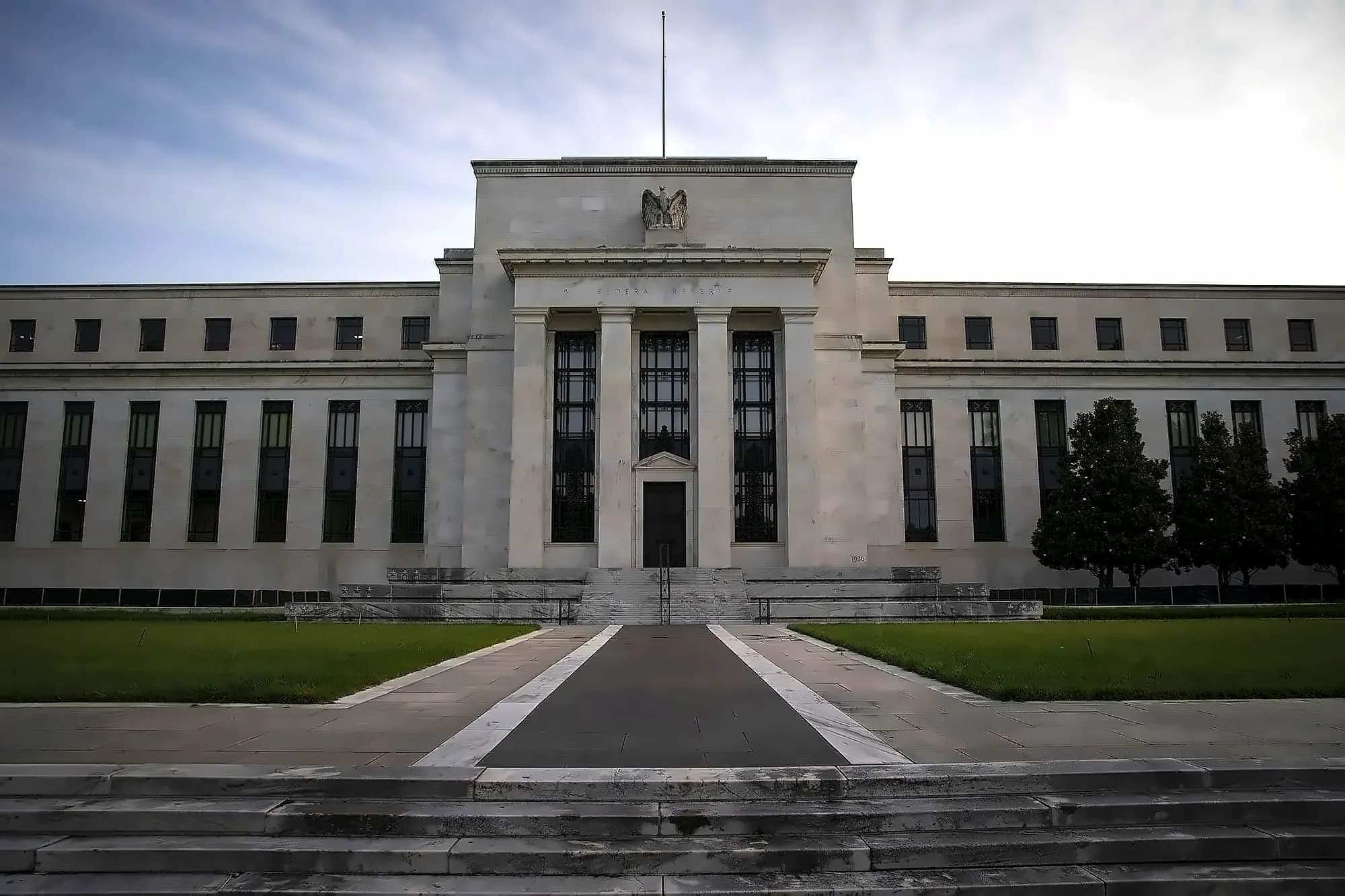
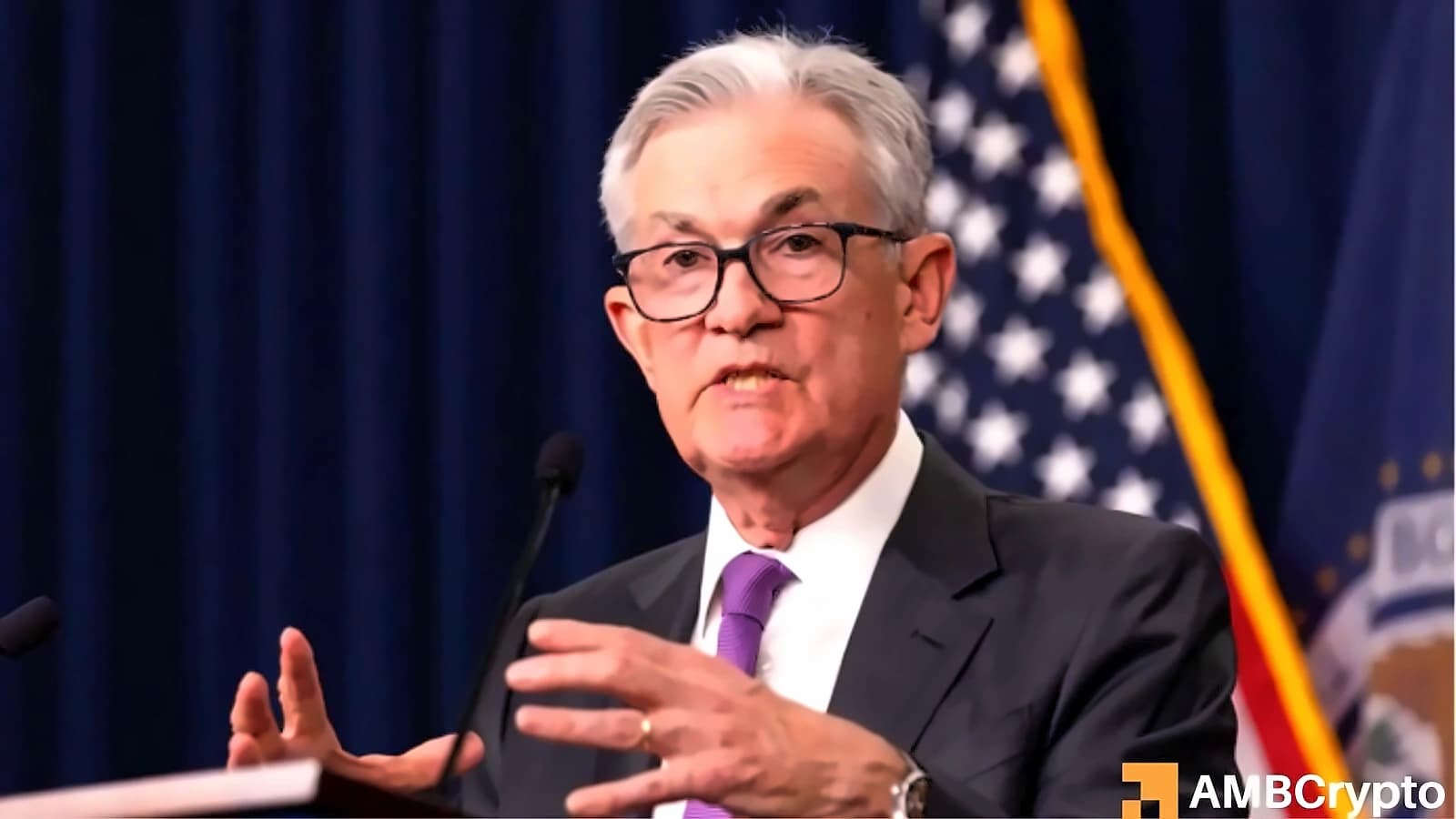
Jerome Powell announced at his final FOMC press conference on April 29 that he will remain on the Federal Reserve Board of Governors past May 15, making him the first outgoing Fed chair to remain on the board since Marriner Eccles in 1948. According to reports from CoinGape, Powell stated: "The things that have happened really in the last three months have, I think, left me no choice but to stay until I see them through at least that long." Powell plans to "keep a low profile" and would not act as a shadow chair once Kevin Warsh is confirmed and sworn in. During Wednesday's news conference, Powell was asked if remaining at the Fed after his chairmanship was a political act to influence the board's actions. He responded that the legal inquiry left him with no choice but to stay on until it's truly over and that he doesn't want to interfere in the Fed's operations when Warsh becomes the chair. Powell dismissed the notion that his staying on could cause dissension, saying, "My intention is not to interfere," later adding that, "I'm not looking to be a high profile dissident or anything like that."
Trump responded to Powell's decision late Wednesday on his social media website: "Jerome 'Too Late' Powell wants to stay at the Fed because he can't get a job anywhere else – Nobody wants him," Trump posted, using his nickname for the Fed chair. When asked if he believed Warsh would stand up to political pressure from Trump, Powell answered, "He testified very strongly at his hearing, and I take him at his word." The unusual situation creates what analysts refer to as a "two Popes" scenario, with a chair and former chair both on the Fed's board, potentially increasing divisions among policymakers. Powell's decision denies President Trump a chance to fill a seat on the central bank's seven-member governing board with his own appointee, as the Senate Banking Committee earlier approved Powell's successor Kevin Warsh on a party-line vote.
Powell's stated reason for staying centers on the DOJ investigation into the Federal Reserve's headquarters renovation, which produced a criminal probe into Powell's congressional testimony. As reported by CoinGape, DC Attorney Jeanine Pirro closed her office's probe last week but posted publicly that she would "not hesitate to restart a criminal investigation should the facts warrant doing so." Powell said the investigation was politically motivated, and courts quashed the DOJ subpoenas as being a "pretext" to pressure him into cutting interest rates or stepping down. Powell said he planned to retire at the end of his chairmanship prior to the DOJ investigation, but the legal actions by the administration are unprecedented in the Fed's 113-year history. The DOJ told Powell and the Fed over the weekend that it would only be reopened if the inspector general submits a criminal referral, allowing Warsh's nomination to advance in the Senate after a Republican senator lifted his block over concerns about Fed independence. Powell said he had been assured by the Justice Department that the appeal wouldn't result in a reopening of the probe unless a separate investigation by the Fed's inspector general finds evidence of criminal activity, but apparently that didn't bring Powell the closure he felt is needed. "I'm waiting for the investigation to be well and truly over with finality and transparency," he said. "I'm waiting for that and I will leave when I think it appropriate to do so."
The FOMC meeting produced four dissents, the most divided Fed vote since October 1992, with three members wanting the easing bias removed from the statement and one wanting an immediate rate cut. According to reports from crypto.news, the FOMC voted to hold rates at 3.50 to 3.75% for a third straight meeting. The three officials who dissented were Beth Hammack, president of the Federal Reserve Bank of Cleveland; Neel Kashkari, president of the Minneapolis Fed; and Lorie Logan, president of the Dallas Fed. The regional Fed bank presidents have historically been more likely to dissent, while the Washington-based governors more often support the chair. The dissents could renew tension between the Trump administration and the bank presidents, who White House officials have previously criticized. Beth Ann Bovino, chief economist at US Bank, said the dissents demonstrated that Fed policymakers are "very independent" and will likely be on hold for months longer. She has forecast a rate cut in December but now isn't sure. Wall Street investors on average don't expect a reduction until well into next year, according to futures pricing.
Bitcoin fell from $77,000 to $74,914 following Powell's announcement, with $137.77 million in ETF outflows snapping a nine-day inflow streak. As reported by crypto.news, Bitcoin ETFs logged the outflows as the market entered April 29 pricing in a Warsh-driven pivot narrative, with the assumption that Powell's departure would clear the path for faster rate cuts. The dissenters "threw a bucket of ice on the market's pivot party," according to Matt Mena of 21Shares. Bitcoin has now fallen after eight of the last nine FOMC meetings. The unusual economic picture presents challenges for the Fed, with inflation jumping to 3.3%, a two-year high, as the war has sharply raised gas prices, making it harder for the central bank to reduce rates. At the same time, unemployment declined to 4.3% in March from 4.4%, leaving hiring at almost a standstill. The Fed's statement noted that "Developments in the Middle East are contributing to a high level of uncertainty about the economic outlook," while inflation is "elevated, in part reflecting the recent increase in global energy prices."