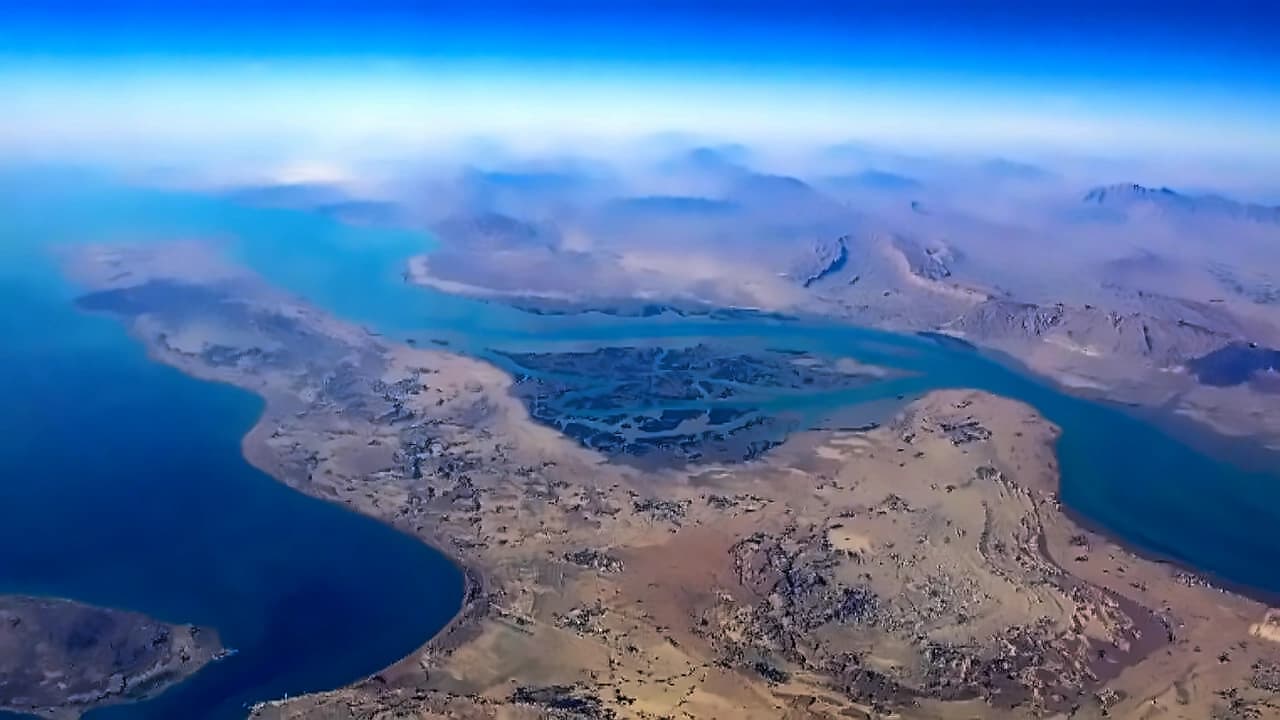
The US Central Command has officially imposed a maritime blockade on all Iranian traffic through the strategic Strait of Hormuz, with the Navy confirming through a Navy official that the blockade began at 10 a.m. ET today. As reported by crypto.news, the U.S. President stated via Truth Social that the U.S. Navy would seek and interdict any vessel in international waters that has paid a transit toll to Iran in the Strait of Hormuz, characterizing such payments as world extortion. The U.S. Navy has deployed destroyers to the Strait to begin clearing naval mines allegedly laid by Iran to ensure a safe pathway for non-Iranian commercial traffic. Unlike a total closure, the U.S. stated it would still permit freedom of navigation for vessels traveling strictly between non-Iranian ports, representing an effective attempt to isolate Iran economically while keeping global energy lanes open for allies.
Iran has implemented its $1 per barrel toll for ships passing through the Strait of Hormuz following the recent 2-week ceasefire announced on April 8th, creating a Bitcoin payment system amid a severe traffic crisis. According to Financial Times and Reuters reports, traffic through the strait has fallen dramatically to just 10-15 vessels daily, compared with roughly 135 per day before the crisis. Commercial maritime tracking data shows only five Iranian-flagged cargo vessels entered and just three international oil tankers exited via Iran's alternative route between April 7-8. Major shipping companies including Maersk and Mitsui O.S.K. Lines continue to suspend or tightly limit transits, citing the absence of clear rules and security guarantees. Around 800 tankers are now waiting to transit, with an estimated 300 to 400 vessels effectively stranded inside the Persian Gulf. As reported by The Times of India, Iran has moved to reassert control over the strait within hours of Israel's continued strikes in Lebanon, putting a squeeze on shipping movement just 48 hours before talks are scheduled to commence in Islamabad.
As reported by AMBCrypto, Hamid Hosseini, spokesperson for Iran's Oil, Gas, and Petrochemical Products Exporters' Union, explained that vessels receive an email with toll details and are given few seconds to pay in Bitcoin. The payment system is designed to ensure vessels can't be traced or confiscated due to sanctions. Previously, Bloomberg reported that the Chinese Yuan was also accepted as payment method for navigation through the Iranian-controlled oil corridor. The latest developments show that Windward, a maritime intelligence firm, reports that all ships transiting the strait must coordinate safe passage with Iranian authorities, who are requiring hefty tolls of up to $1 a barrel for outbound oil, paid in cryptocurrency. At current market prices, this equates to roughly 281 Bitcoin per vessel, representing 62% of the new daily Bitcoin supply of 450 BTC issued daily by the network. According to The Times of India, Iranian industry representatives confirm that tankers would be required to declare cargo via email, undergo assessment, and then pay approximately $1 per barrel in digital currency such as Bitcoin—within seconds—to avoid traceability under sanctions.
According to crypto.news, the crypto market cap fell below the $2.5 trillion mark on Monday following the U.S. official move to impose the maritime blockade on Iranian traffic through the Strait of Hormuz. Oil prices spiked back above $100 on fears that rising energy costs and renewed inflation could hurt the global economy, with West Texas Intermediate crude oil rising over 8% to $104.6 and Brent crude climbing back to $102.7. The downturn was not confined to the crypto market alone, with even traditional safe-haven assets such as gold and silver falling slightly as investors scrambled for liquidity. Asian indices such as Japan's Nikkei 225 and the Hang Seng closed significantly lower at the end of their sessions. As reported by AMBCrypto, Jack Mallers, founder of Strike, speculated that Iran's choice of Bitcoin as toll payment could fast-track BTC's race to become the world's reserve currency, though BitMEX founder Arthur Hayes expressed skepticism. The latest market reaction shows that oil prices plunged 16.4% to settle at $94.41 after almost dropping to $91 earlier in the morning, while Brent crude tumbled 13.3% to $94.75 per barrel.
As reported by AMBCrypto, the Iranian government has been heavily involved in crypto to bypass Western sanctions, with the regime accounting for half of Iranian crypto activity according to a Chainalysis report. The geopolitical tensions have also fueled Bitcoin adoption among Iranian citizens, with the sector showing strong resilience during the West Asia crisis. However, this crypto activity has made Iran's sector a prime target for hacks, including last year's Nobitex breach linked to Israel. The next moves for oil prices will depend on how many oil tankers can start exiting the Strait of Hormuz and how easy their passage is, with independent analysts noting no change in traffic through the strait despite White House claims. According to The Times of India, the fact that President Trump has suggested the US could partner Iran in extracting such a toll, legitimizing the gouging, has alarmed even Americans, with the so-called "Taco Tuesday" jibe gaining traction among critics who see the ceasefire as a climbdown rather than a calculated pause.
According to The Economic Times and Bloomberg reports, Iran's crypto ecosystem reached $7.8 billion last year, with the Islamic Revolutionary Guard Corps channeling more than $3 billion through digital asset networks in the fourth quarter of 2025. As reported by Chainalysis, the IRGC's infrastructure for moving crypto has deepened rapidly, with wallets linked to the Houthis carrying nearly $1 billion in activity in under a year by early 2025. In January, the US Treasury sanctioned two UK-registered exchanges for facilitating roughly $1 billion in IRGC-linked stablecoin activity, marking the first such designation tied to the IRGC. The transparency of blockchain presents challenges for Iran's plans, as crypto traders note that whether they use stablecoins or Bitcoin, it is all on public ledgers that can be monitored and potentially frozen by token issuers. The difficulty falls mainly on mainstream shipping companies that would need to acquire cryptocurrency and transmit it to sanctioned counterparties, with institutional crypto desks conducting due diligence on corporate clients and flagging transactions headed for Iranian counterparties.