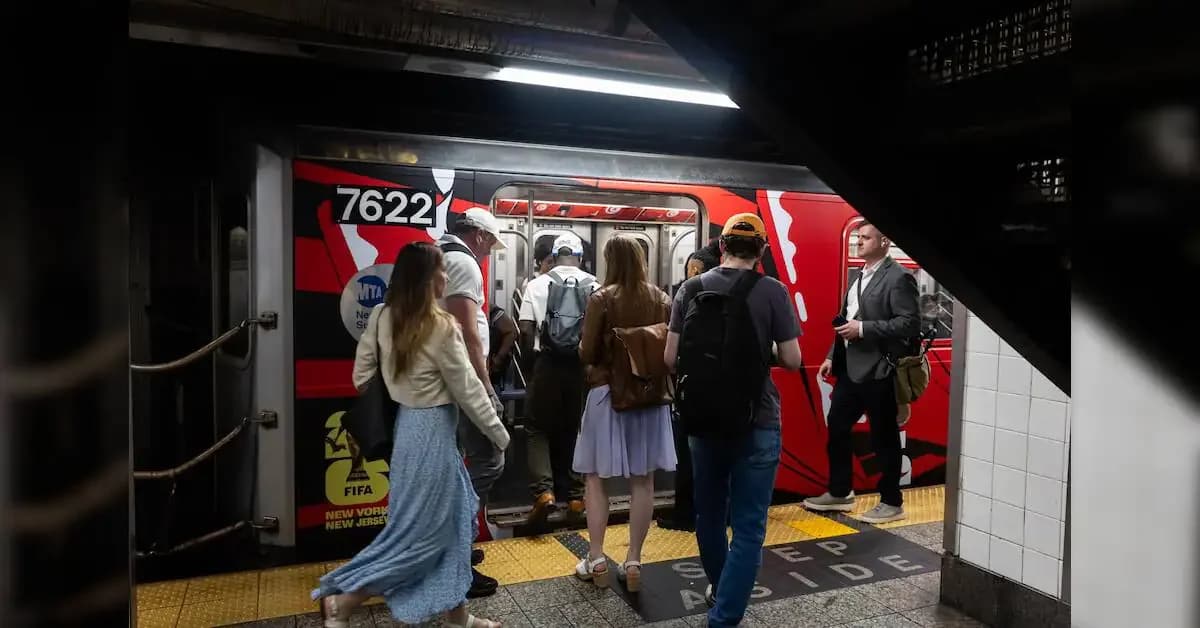
The U.S. economy added 172,000 jobs in May, surpassing economists' expectations and delivering a significant blow to rate cut expectations. The unemployment rate held steady at 4.3 percent, indicating the economy is not showing the weakness that would typically justify monetary easing. This strong employment data comes as Federal Reserve officials face growing pressure to raise interest rates as inflation accelerates despite an AI-driven investment boom, according to the latest Fed Beige Book survey. The report showed most U.S. regions experienced higher inflation from late April to late May due to energy-related costs tied to the Iran war, with spillovers into shipping, packaging, groceries, and fertilizer. Overall, there were reports of increased credit card usage, fewer retail visits, and stronger demand for necessities, as consumers squeezed more life out of every dollar before deciding to spend.
Kevin Warsh was sworn in as the 17th Chair of the Federal Reserve on May 22, 2026, after the Senate confirmed him 54-45, marking the closest vote in the central bank's modern history. According to reports, Warsh is by a wide margin the most crypto-literate person ever to hold this role, with past ties to Bitcoin and stablecoin-related ventures. His disclosed holdings include an equity stake in a Bitcoin payments startup, ties to Bitwise, the crypto index manager behind a spot Bitcoin ETF, and a position in a stablecoin project. He has called Bitcoin 'the new gold for people under 40' and described it as a potential 'sustainable store of value, like gold.'
Despite his pro-crypto credentials, Bitcoin fell to $74,190 the weekend after Warsh's appointment and has continued sliding to near $62,000. As reported, the reason for this decline is Warsh's monetary hawkishness - he is a veteran of the 2008 financial crisis who has spent years favoring tighter monetary policy and higher real interest rates. The market responded by slashing expectations for rate cuts, with traders pricing a 62 percent probability of zero rate cuts in all of 2026, which has since climbed toward 69 percent. During Senate testimony, Warsh stated that President Trump had never asked him to promise rate cuts, triggering a sharp Bitcoin selloff as traders had hoped for aggressive easing. Interest-rate futures show traders see about a 75% chance the Fed will increase its policy rate by a quarter of percent to the 3.75%-4.00% range by the end of this year, versus about a 25% probability for no change. Wall Street fell as investors ramped up their bets that US interest rates could be hiked by the end of the year, with the S&P 500 down 0.9% and Nasdaq Composite down 1.6% following the jobs report.
Warsh inherited an inflation problem with April's CPI at 3.8 percent, the highest reading in nearly three years and well above the Fed's 2 percent target. According to Reuters, the data so far are running in a different direction than Warsh's earlier predictions, with inflation seemingly stuck a percentage point or more above the Fed's 2% target and on track for a sixth straight year higher than that level. Economists expect consumer prices rose 4.2% in May from a year ago, which would be the highest inflation rate in more than three years. Much of that increase came as a result of elevated gas prices, but the numbers indicate that higher prices have not fully disappeared. In a hint of additional inflation pressures to come, Fed banks reported "more frequent wage adjustments and cost-of-living increases to manage increasing fuel and other household cost pressures." Manufacturing firms told the Richmond Fed that demand had weakened due to consumer caution, and one equipment producer in the plastics industry said its customers were delaying capital investments due to expected oil shortages. Minutes from the Fed's last policy meeting in April showed a majority of officials warned the central bank would likely need to consider raising interest rates if inflation continued to run persistently above their 2% target. Three Fed policymakers dissented at the April 28-29 meeting in favor of shifting the central bank's current policy stance in a hawkish direction, with Fed Governor Christopher Waller saying he now agrees with that approach.
President Trump has not been afraid to voice his opinion on interest rates, having repeatedly argued that rate cuts will reduce borrowing costs for consumers and businesses, boost economic growth, and help support the housing market. Before Jerome Powell stepped down as Fed chair, Trump publicly clashed with Powell, calling him a 'stubborn mule' and 'a real dummy' among other taunts. Now that Warsh has taken over, the insults could soon start slinging again as Trump continues to advocate for lower rates. However, the Fed's primary responsibility is to maintain price stability while supporting maximum employment, meaning policymakers cannot focus solely on growth while ensuring inflation remains under control. Trump will most likely keep advocating for lower rates as a way to support growth and reduce borrowing costs, but if inflation remains elevated and the labor market stays strong, he's highly unlikely to get his way. The battle between the Fed and the White House could easily rage on for the foreseeable future.