Ethereum's biggest upgrade since the Merge has entered the final testing phase, with the Glamsterdam upgrade targeted for H2 2026. As reported by AMBCrypto, this major protocol-level improvement introduces parallel transaction processing and gradually raises the gas limit from 60 million toward 200 million, designed to significantly boost network throughput. According to crypto analyst Ted Pillows, the upgrade will be Ethereum's first major base-layer throughput overhaul since 2022, changing how the network assembles blocks. Devnet-5 and Devnet-6 are already running, with Pillows pointing to an internal mainnet target in late August, while Q3 2026 remains the realistic launch window after the ePBS delay. The planned gas limit increase toward 200 million could substantially expand Ethereum's transaction capacity and reduce pressure during periods of heavy on-chain activity.
Bitcoin and Ethereum exchange supplies have reached near all-time lows, according to latest data from Santiment. This trend indicates that fewer coins are immediately available for sale, suggesting holders are increasingly preferring self-custody or staking options. The reduced exchange availability reduces near-term selling pressure and could provide price support if demand remains steady, though external factors like regulations and market shifts could still impact prices. As reported by Santiment, this supply dynamic is particularly significant for Ethereum's current trading environment.
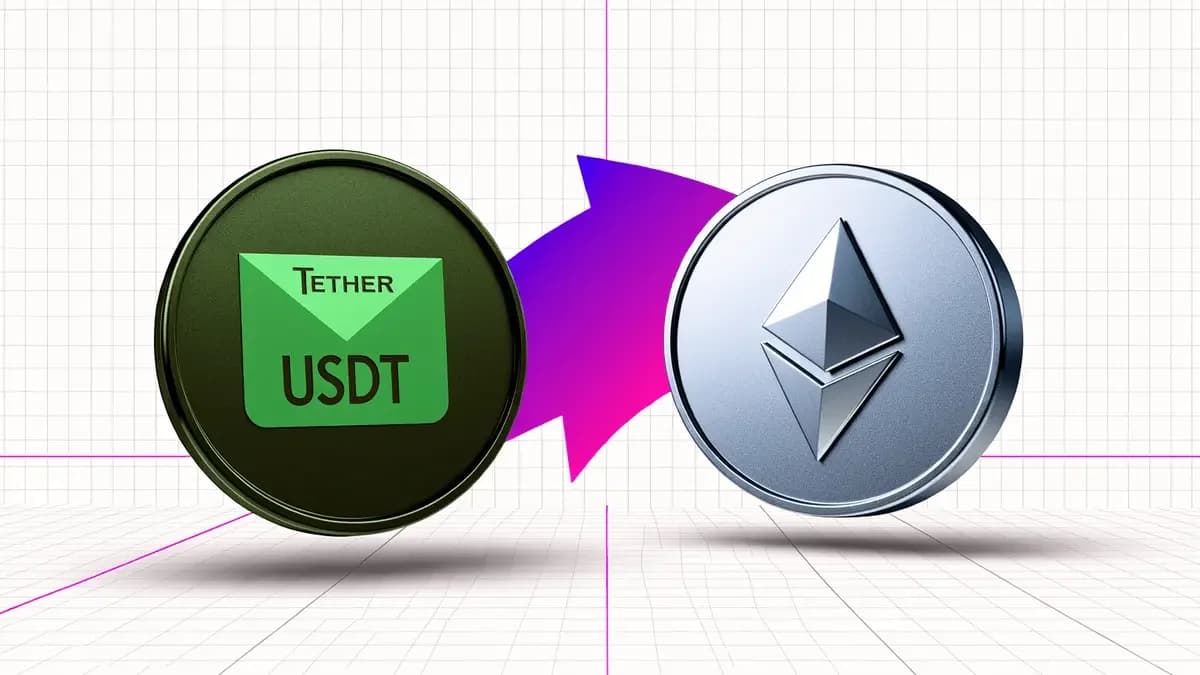
Ethereum is experiencing a 2% decline following a massive $2.5 billion USDT burn on the network, according to reports from Crypto.news. However, the price impact appears limited as traders view this burn as Tether moving liquidity rather than a significant exit from the crypto market. The burn highlights a key challenge for Ethereum's H2 cycle, as Tether recently burned $2.5 billion in USDT on Ethereum, reducing the network's total USDT supply to around $77 billion. This further shifts stablecoin liquidity away from Ethereum, with TRON currently holding the largest USDT supply at over $87 billion. The broader stablecoin market cap has fallen to a four-month low, with around $5.82 billion in stablecoin supply wiped out over the past four months, highlighting a clear slowdown in capital availability across crypto markets.
Despite Ethereum's 65% decline from August 2025 all-time highs, on-chain activity remains at bull market levels with the 30-day moving average of active addresses holding near 450,000, according to Glassnode data. This activity level matches readings from August and September 2025, when Ethereum traded above $4,500 at cycle highs. Network usage has decoupled from price, with activity peaking near 740,000 addresses in February 2026, and current readings remaining historically elevated even with ETH down roughly 65% from the top. However, sentiment tells a different story, with Santiment showing ETH social dominance at just 0.587%, among its lowest readings in over a year, indicating no hype and no capitulation chatter, only apathy.

Ethereum is currently trading around $1,730, near the $1,754 line in the sand that acts as long-term support, with the 0.786 Fibonacci retracement at $1,753.66 acting as a critical defense zone. The weekly RSI sits near 38, a low reading that has not yet reached bearish extremes, while the 0.618 Fibonacci level of $2,438 represents the nearest resistance, about 41% above current price. A confirmed breakdown would expose the full retracement at $881.56, roughly 49% lower near the previous cycle bottom. The daily chart strengthens the bearish case with a descending trendline from the August 2025 all-time high capping recovery attempts, most recently rejecting the price from the 0.618 level in May. Some traders are positioning aggressively for a rebound, with one wallet opening a $19.9 million ETH long with 20x leverage, though analysts warn such bets are exceptionally fragile given unliquidated longs already dominate major assets.
Attention now shifts to upcoming U.S. inflation and policy updates, which could spark the market's next significant move, as reported by Crypto.news. The significant price declines exceeding 3% in recent market downturns, with Bitcoin falling to around $62,020 and Ethereum dropping to approximately $1,730, highlight the volatility in current market conditions. However, Ethereum's Glamsterdam upgrade enters final testing and could serve as a key infrastructure catalyst, potentially adding a stronger fundamental narrative to support a more infrastructure-driven rally. The upgrade arrives alongside Vitalik Buterin's Lean Ethereum roadmap, which targets over 10x lower fees but has drawn pushback on its timeline. As analyst Ted Pillows notes, "Feels like a fundamental H2 catalyst that's still flying under the radar while ETH is trading near the lows," making it a potential game-changer for Ethereum's recovery trajectory.