Dubai's Virtual Assets Regulatory Authority has issued its 50th virtual asset service provider license to Tribe Tokenisation FZE, positioning the emirate ahead of Hong Kong and Singapore in reported license totals. According to reports, while license numbers don't indicate how many firms are actively operating or their business volumes, the milestone demonstrates Dubai's commitment to building a formal regulatory framework for digital assets. This development comes as regional competition intensifies among Asia's financial centers for regulated digital asset firms, with Dubai's licensed-VASP count exceeding Hong Kong's 13 and Singapore's 37 totals as reported by Cointelegraph.
Taiwan has moved forward with its new crypto and stablecoin legislation, requiring virtual asset service providers to obtain approval from the Financial Supervisory Commission before market operations. As reported, stablecoin issuers must receive dual approval from both the central bank and the FSC, maintain adequate reserves with trustees, and undergo regular audits. The Legislative Yuan has passed a law establishing this regulatory framework, marking Taiwan's first comprehensive crypto and stablecoin regulation. This regulatory structure provides Taiwan with a clearer crypto framework as it competes with Japan, Singapore, and Hong Kong for regulated digital asset firms, offering a more comprehensive approach than some regional counterparts.

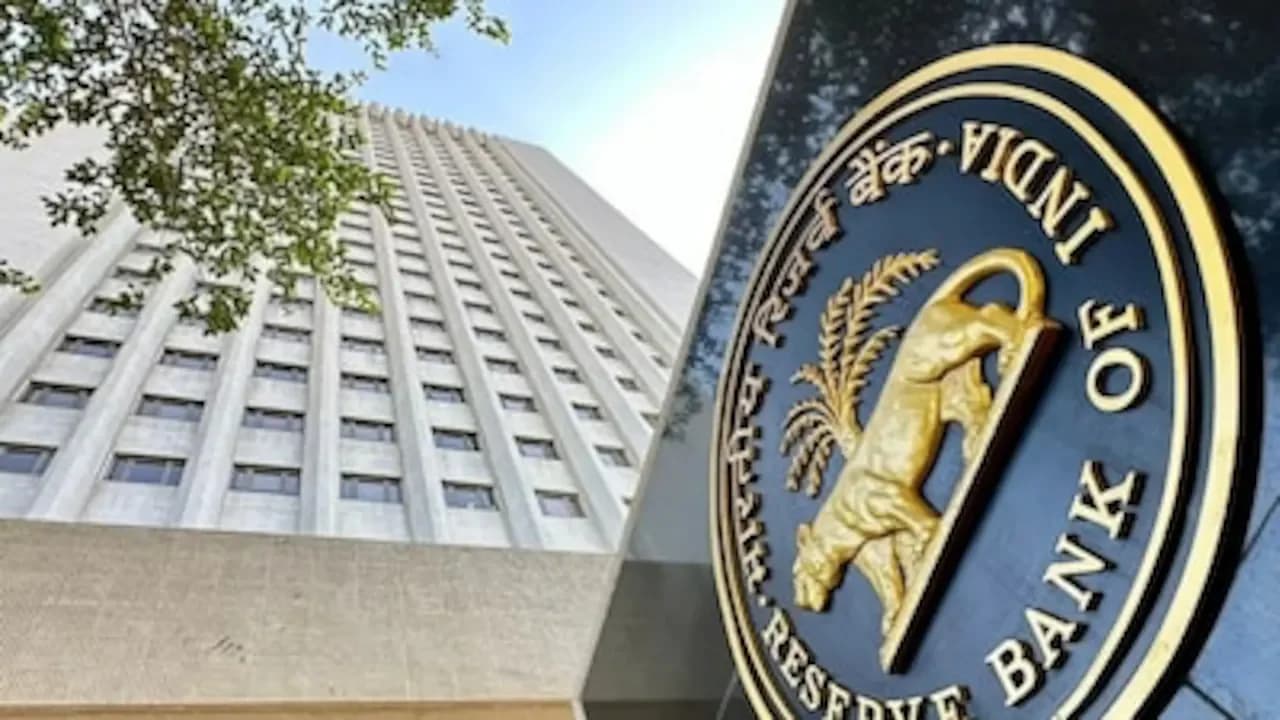
India's central bank, the Reserve Bank of India, has renewed its push to keep banks away from cryptocurrency and private stablecoins, with RBI Deputy Governor Rohit Jain and Executive Director P. Vasudevan presenting the bank's stance to the Parliamentary Standing Committee on Finance. According to reports from The Economic Times, the RBI recommended preventing crypto use in payments and settlements, while restricting banking-sector exposure. The central bank reportedly cautioned that applying normal financial rules to speculative crypto assets could mislead users into believing these assets carry official protection. However, the RBI urged policymakers to distinguish between crypto and tokenized instruments that are already regulated—such as tokenized government securities and corporate bonds—so that restrictions would not unintentionally throttle legitimate tokenization efforts.
Hong Kong is considering expanding its gold ETF market by potentially allowing pension funds to invest in gold ETFs through the Mandatory Provident Fund (MPF) system. According to the South China Morning Post, the proposal comes as Hong Kong's gold ETF market has already been gaining momentum, with Hong Kong-listed gold ETFs attracting a record $732 million in net inflows in April, accounting for about 41% of all Asian inflows during the month. The city now has five physically backed gold ETFs managing roughly HK$28 billion ($3.6 billion) in assets, highlighting growing investor demand for bullion-backed investment products. The reform would complement Hong Kong's broader ambition to establish itself as Asia's leading precious metals trading hub, with authorities spending the past year expanding the city's commodity market infrastructure.
Russia is proceeding with its state-backed digital currency initiative, planning to launch the digital ruble on September 1. Central bank governor Elvira Nabiullina reportedly stated that "everyone is ready" for the rollout, marking Russia's approach to advancing digital money through government-controlled systems despite ongoing sanctions and global central bank digital currency debates. The digital ruble is intended to complement Russia's fiat currency, the ruble, and initially will be accepted by financial and credit institutions. However, the EU has previously announced restrictions tied to sanctions over Russia's war in Ukraine, including actions aimed at limiting the role of the digital ruble.