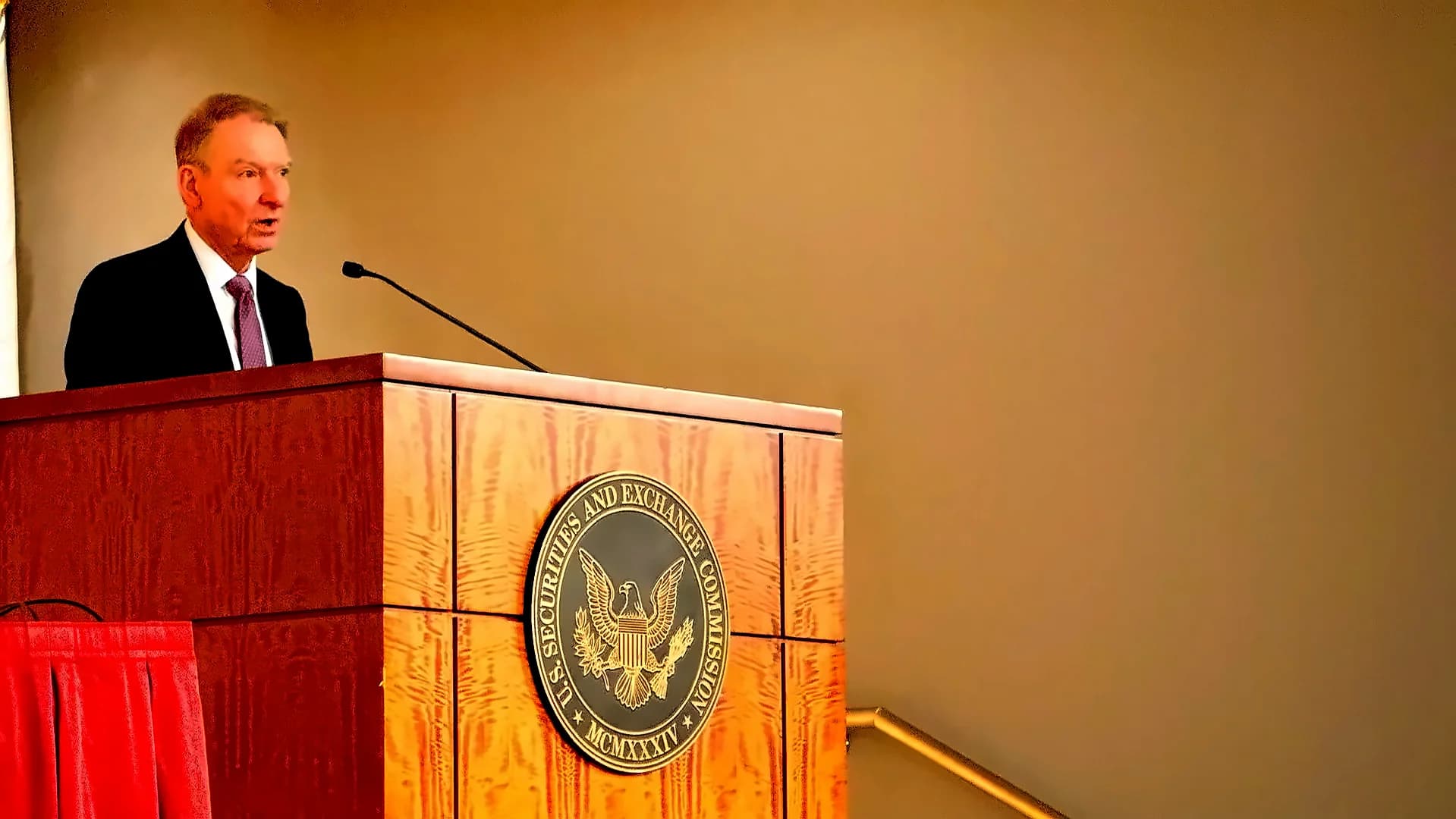
The US Securities and Exchange Commission (SEC) has proposed Regulation Crypto Assets on August 18, 2026, establishing the first comprehensive regulatory framework for crypto asset offerings involving investment contracts. This landmark rulemaking creates two new exemptions - a Startup Exemption for offerings up to $5 million and a Fundraising Exemption for offerings up to $75 million - while introducing a conditional safe harbor allowing covered investment contracts to cease when essential managerial efforts are completed. The SEC estimates approximately 130 total offerings annually under Regulation Crypto Assets (99 under the Startup Exemption and 31 under the Fundraising Exemption) and 475 issuers relying on the safe harbor annually. Comments on the proposed rule are due 60 days after publication in the Federal Register, providing market participants time to influence the final framework.
The global cryptocurrency regulatory landscape has expanded significantly with Korea joining the four governments that moved on crypto regulation in the first week of September. Russia and Vietnam switched on new rules Tuesday, while Pakistan set a filing deadline for Saturday. Singapore opened a consultation process rather than implementing immediate regulations. This coordinated regulatory action demonstrates the growing international focus on cryptocurrency oversight and market structure, with Korea's 2026 framework adding to the momentum of regulatory clarity across major economies. The proposed US framework represents a fundamental shift from enforcement-driven ambiguity to rulemaking-driven clarity, marking a significant departure from the prior administration's approach.
Korea's revised STO bill has passed, but permitted assets and licensing details are left to presidential decree, with the market's direction set to be determined when those regulations appear. The Bank of Korea's CBDC has entered live-transaction testing under Project Han River Phase 2, testing real conditional fund disbursement including electric vehicle subsidies and official expense accounts with nine participating banks. The VASP re-registration process is concentrated toward year end, with preliminary submissions beginning in late October and formal applications closing November 20. The Digital Asset Basic Act is likely to take shape during the September regular session, with the most sensitive issue being whether to require private stablecoin issuers to secure a bank stake of at least 51 percent.
Federal Law 282-FZ came into force September 1, 2026, treating crypto as property and opening Russia's regulated market. Non-qualified retail investors can legally buy Bitcoin (BTC), Ethereum (ETH) and Tether (USDT) through licensed domestic intermediaries, but XRP, Solana (SOL), Cardano (ADA) and other cryptocurrencies are not included in the current list. Retail investors must first pass a knowledge test and may purchase up to 300,000 rubles (~$3,700) per licensed intermediary per year, while qualified investors face no purchase limit. Crypto payments for goods, services, rent and other domestic transactions remain banned, with the ruble continuing to serve as the country's legal tender. Sberbank expects regulated crypto exchanges to handle up to 4 trillion rubles (about $46.4 billion) in trading volume in their first year, with potential growth to $87 billion by 2029.
Vietnam's Decree 284 took effect today, establishing a regulatory framework for a market with no existing exchanges. Companies can pay up to 200 million in local currency for operating without a license, but the licensing process presents significant barriers. Platforms must show up-front capital of nearly $390 million, and foreign owners can hold a maximum 49% stake. Only 5 exchanges will be granted licenses, with no provision for additional platforms. The Ministry of Finance has established administrative procedures for the issuance, amendment and revocation of licenses for providers organizing crypto-asset trading markets, with the State Securities Commission handling applications. Administrative penalties under Decree 284/2026/ND-CP include maximum fines of VND 200 million (USD 7,670) for organizations and VND 100 million (USD 3,835) for individuals, with domestic investors trading crypto without licensed providers facing fines of VND 30-50 million (USD 1,150-1,920).
Pakistan's Virtual Assets Act has been law since March, with Section 70 giving firms six months to apply or cease operations. That compliance window shuts Saturday, creating immediate pressure on existing platforms. The deadline targets companies that have already signed up Pakistani customers, rather than individual users. This regulatory timeline follows April's decision by the State Bank of Pakistan to allow banks to open accounts for licensed crypto firms, reversing a 2018 ban. The compliance deadline represents a critical juncture for platforms currently serving the Pakistani market.
The EU has implemented MiCA, the United States is advancing the GENIUS Act and the CLARITY Act, and in Asia, Singapore, Hong Kong, and Japan have each settled on their own regulatory approaches. Major economies are embracing the market through clear policy, but because those policies diverge, the global market is fragmenting along regional lines. Korea's regulatory pace lags somewhat behind major economies, with the enforcement decree and guidelines for STO market missing their original July target and remaining delayed as of late August. This fragmentation creates challenges for institutional adoption and cross-border operations, as overseas tokenization pilots take six months to a year, while domestic financial institutions close their budgets in early December.