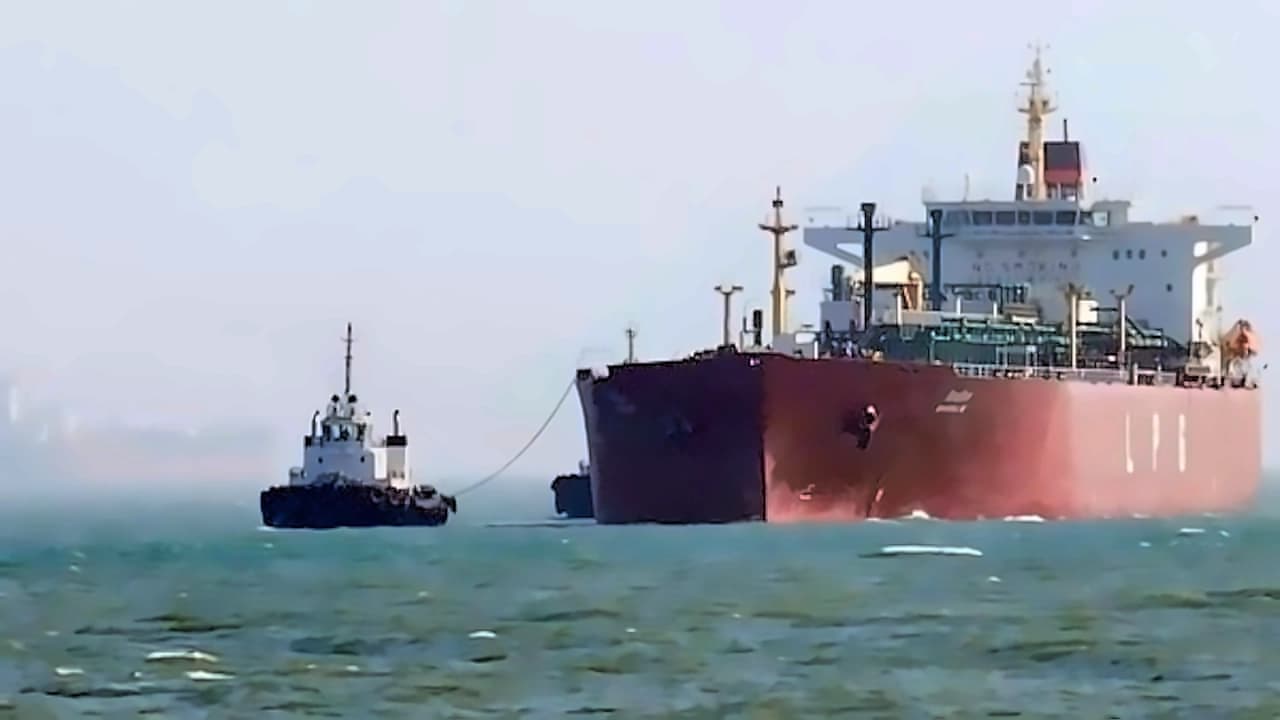
Unknown actors have sent fraudulent messages to shipping companies whose vessels remain stranded west of the Strait of Hormuz, according to a warning from Greek maritime risk firm MARISKS. The messages reportedly ask for bitcoin or USDT in exchange for 'clearance' through the waterway, with senders appearing to pose as Iranian authorities. However, MARISKS has now confirmed that 'These specific messages are a scam,' adding that the message was not sent by Iranian authorities. In one message, the sender told shipping firms to submit vessel documents for review by Iranian security services before a transit fee would be set in crypto, promising payment would allow the ship to pass 'unimpeded at the pre-agreed time.'
The scam emerged while traffic through the Strait of Hormuz remained under pressure from competing restrictions. The United States has kept a blockade on Iranian ports in place for about a week, while Iran had lifted and later restored its own closure of the strait. The waterway had handled about one-fifth of global oil and liquefied natural gas shipments before the latest Middle East conflict disrupted flows. Hundreds of ships and about 20,000 seafarers remain stranded in the Gulf, according to the report. The continued disruption has left shipping firms exposed to false offers of passage, with MARISKS warning that 'After providing the documents and assessing your eligibility by the Iranian Security Services, we will be able to determine the fee to be paid in cryptocurrency (BTC or USDT). Only then will your vessel be able to transit the strait unimpeded at the pre-agreed time.'
The scam follows Iran's proposal to charge vessels for safe transit through the strait during ceasefire talks. According to The Financial Times reported on April 8, Tehran sought as much as $2 million per tanker in fees, with payments allowed in cryptocurrency, including bitcoin. Hamid Hosseini, a spokesperson for Iran's Oil, Gas and Petrochemical Products Exporters' Union, told the FT the toll stands at about '$1 per barrel of oil.'
MARISKS said at least one vessel that tried to leave the strait on April 18 and came under gunfire from Iranian boats may have been affected by the fraud. The firm did not say whether payment had been made, but it raised concern that the ship may have responded to the false outreach before the attack. On April 18, when Iran briefly opened the strait subject to checks, ships tried to pass but at least two of them, including a tanker, reported that Iranian boats had fired shots at them, forcing the vessels to turn around. The warning came as diplomacy remained uncertain, with BBC reporting that U.S. President Donald Trump said Washington would not lift its blockade on Iranian ports until a deal is reached with Iran. Recent reports indicate that at least one ship fired on while trying to leave the Gulf at the weekend is believed to have fallen victim to the scheme.

The current U.S.-Iran ceasefire is due to expire on April 23, with it remaining unclear whether a second round of peace talks in Pakistan will go ahead. This uncertainty leaves shipping companies to manage continued security and fraud risks in the area. The warning from MARISKS highlights how geopolitical tensions and maritime disruptions create opportunities for criminal exploitation of vulnerable shipping operations, with the firm noting that 'There was no immediate comment from Tehran' regarding the fraudulent messages.