Iran has officially launched its Bitcoin-linked insurance framework for vessels passing through the Strait of Hormuz, marking a significant shift from earlier speculation. According to latest reports from Fars News Agency, an IRGC-affiliated outlet, the Iranian Ministry of Economic Affairs has formally implemented a 'Hormuz Safe' platform that accepts payments in Bitcoin and stablecoins for maritime insurance and safe-passage services. The Islamic Revolutionary Guard Corps (IRGC) is reportedly at the center of this operation, charging oil tankers approximately $1 per barrel for transit through the strait, with payments accepted in yuan or stablecoins through a coded system designed to obscure transaction trails. This represents a clear evolution from previous unconfirmed reports about Bitcoin-related toll systems, with the platform functioning as both an insurance provider and payment gateway for commercial shipping. Iran's Ministry of Economy launched the platform on May 16, 2026, as reported by multiple sources.
The 'Hormuz Safe' platform is already attracting international interest, with multiple countries reportedly signing up for the crypto-based insurance services. According to recent analysis, Iran is strategically positioning itself to monetize its control over the Strait of Hormuz through this innovative framework, even as it maintains flexibility to adjust its toll collection approach. The platform's architecture is designed to become self-executing before any settlement catches up, with each country signing up establishing a bilateral precedent that reduces dependence on Western acceptance. This represents a fundamental shift in how maritime control is exercised, moving beyond traditional military dominance to include insurance, permissions, payment systems, infrastructure, and access rules as key elements of strategic influence. The accumulation of participating countries serves as the legitimization mechanism, with the settlement reflecting facts on the water rather than overriding them.
Risk advisory firm MARISKS warned that scammers are exploiting the uncertainty surrounding the Strait. According to the company, shipowners stranded west of the Strait received fraudulent messages from unknown actors pretending to represent Iranian authorities and demanding payment in Bitcoin or Tether for 'clearance' and safe passage. MARISKS said the messages were fake and warned that they did not originate from official Iranian channels, adding that at least one vessel may have come under fire while attempting to leave the area after engaging with the fraudulent communications. The implications are particularly direct for Tether, as USDT is already the dominant stablecoin in gray-market and sanctions-adjacent trade corridors across the Middle East and Asia, making compliance posture a geopolitical issue beyond regulatory concerns.
Attention around possible Bitcoin payments intensified after U.S. authorities froze $344 million in USDT tied to Iran last month. Chainalysis noted that Iran has historically relied on dollar-backed stablecoins, particularly USDT on the Tron blockchain, to move funds outside traditional financial rails. The blockchain analytics firm warned that any future crypto-linked toll structure in Hormuz could create new compliance risks for virtual asset service providers interacting with sanctioned entities. Industry figures have argued that Bitcoin may appeal more to sanctioned states because it operates without a centralized issuer capable of freezing balances. With Iranian oil tolls potentially flowing through USDT, Tether's compliance posture becomes a geopolitical issue, not just a regulatory one. The shift toward Bitcoin follows the recent seizure of $344 million worth of USDT linked to Iran by US authorities, highlighting the vulnerability of centralized stablecoins to sanctions enforcement.
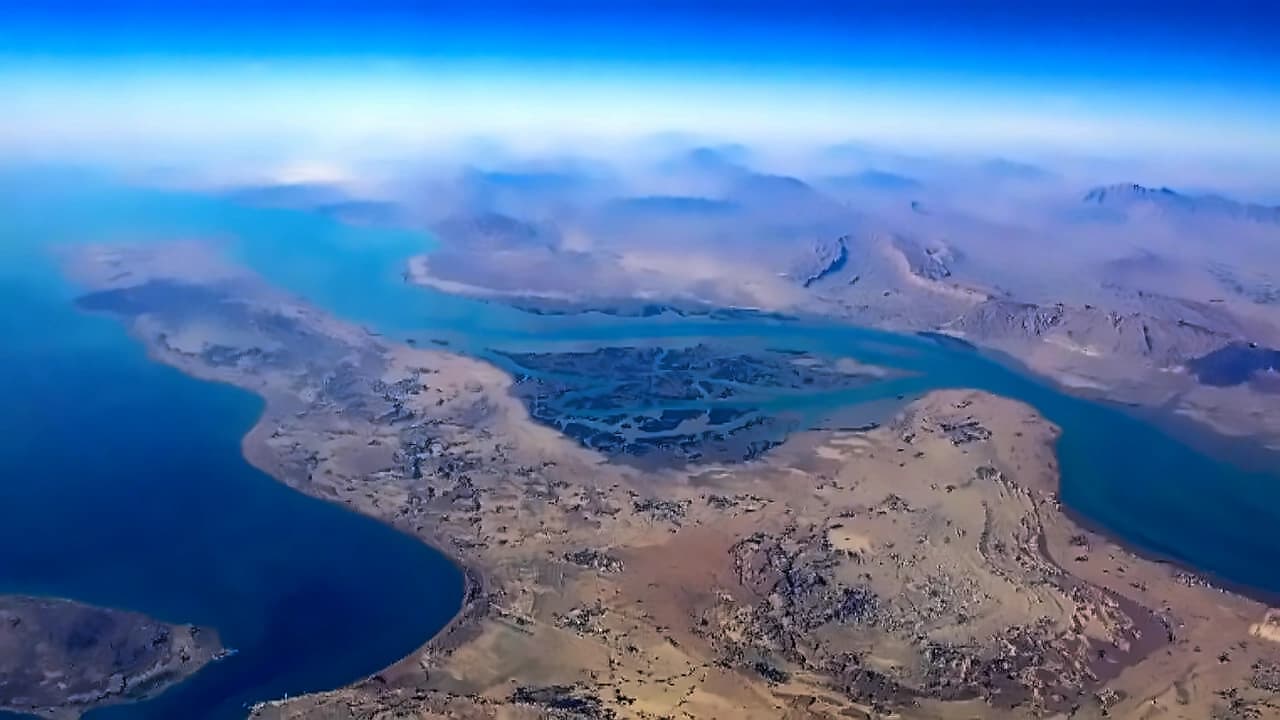
The Bitcoin-linked insurance framework operates within the Strait of Hormuz, a narrow waterway between Iran and the Arabian Peninsula that handles roughly a fifth of the world's daily oil supply. The current Bitcoin-linked framework comes as commercial shipping through the Strait remains heavily disrupted since U.S. airstrikes on Iran began in late February. Multiple reports have stated that ship movement has slowed significantly, with previous media reports suggesting Iran already collected its first revenue from wartime shipping tolls last month, although those claims remain disputed. Nearly 20% of global oil trade passes through the region, making the Strait strategically crucial for global energy markets. Before the current conflict, no such toll system had existed for vessels crossing the Strait, making the current Bitcoin-linked framework a significant development in maritime insurance and sanctions compliance. The initiative represents a notable escalation in the intersection of maritime logistics and digital asset adoption, with the outcome potentially influencing how other sanctioned entities approach cross-border trade and financial compliance in the coming years.