The cryptocurrency sector's first decade has evolved from a financial laboratory into a source of innovation for traditional finance. According to recent analysis, some of the mechanisms first tested in crypto are already being adapted and incorporated by traditional finance, including faster settlement, programmable assets, continuous markets, automated market makers, and contracts without expiration. The fight is not between crypto and traditional finance, but over the financial infrastructure that will emerge from their convergence. As reported by multiple sources, the industry has moved beyond creating new digital asset classes to building new markets around existing things that previously lacked tradable mechanisms. This transformation represents a fundamental shift where Wall Street is taking the best parts of crypto innovation while avoiding the risks and deficiencies of the original laboratory environment.
The cryptocurrency sector is experiencing a significant regulatory transformation with the CFTC's proposed framework for crypto asset markets representing a major milestone in institutional adoption. According to the latest regulatory developments, the framework establishes clear pathways for onchain products in the United States through tailored regulations that protect customers while preserving innovative features. The Crypto Asset Market (CAM) regime provides exchanges with a dedicated framework for offering margined, leveraged, or financed crypto transactions (CTXs) under purpose-built regulations. This regulatory clarity addresses the previous uncertainty that has plagued the industry, with former CFTC Chairman J. Christopher Giancarlo emphasizing that America can usher in a golden age similar to those following transformative technologies like the internet and railroad. The framework establishes statutory DCM core principles that address contract listings, market surveillance, financial integrity, and system safeguards, providing a comprehensive regulatory foundation for responsible crypto innovation.
Blockchain technology is fundamentally redefining how markets operate by enabling continuous, real-time price discovery rather than traditional sporadic trading. According to the analysis, traditional finance treats price discovery as a byproduct of trading activity, while crypto increasingly views it as the primary output. The appeal of pre-IPO perpetual futures exemplifies this shift, where traders value real-time market signals about private company worth without needing direct ownership. This transformation enables 24/7 market operations that can absorb information as it emerges, creating a more responsive valuation mechanism. Market capitalization calculations now reflect this continuous discovery process, with token prices and circulating supply serving as the primary metrics for evaluating digital asset valuations. The regulatory framework establishes tailored regulations for CTXs that specifically address the commercial realities and risks posed by these leveraged trading products.
Blockchain-based markets offer significantly improved accessibility compared to traditional financial systems, with liquidity becoming a critical factor in price discovery. As reported by CoinDesk, conventional markets typically require accreditation, special relationships, and substantial capital for private equity trading, restricting participation to a limited group. In contrast, crypto markets allow anyone with internet access to express market views, with the view that expanding participation improves information quality. The liquidity aspect is particularly important as assets with deeper markets can generally absorb larger transactions more efficiently, creating more responsive price discovery mechanisms. This democratization of market access represents a fundamental shift in how financial markets operate, with leverage amplifying price movements in both directions and liquidations potentially accelerating declines during market reversals. The regulatory framework ensures that CAMs adhere to statutory DCM core principles while providing tailored regulations that recognize the unique characteristics of crypto asset markets.

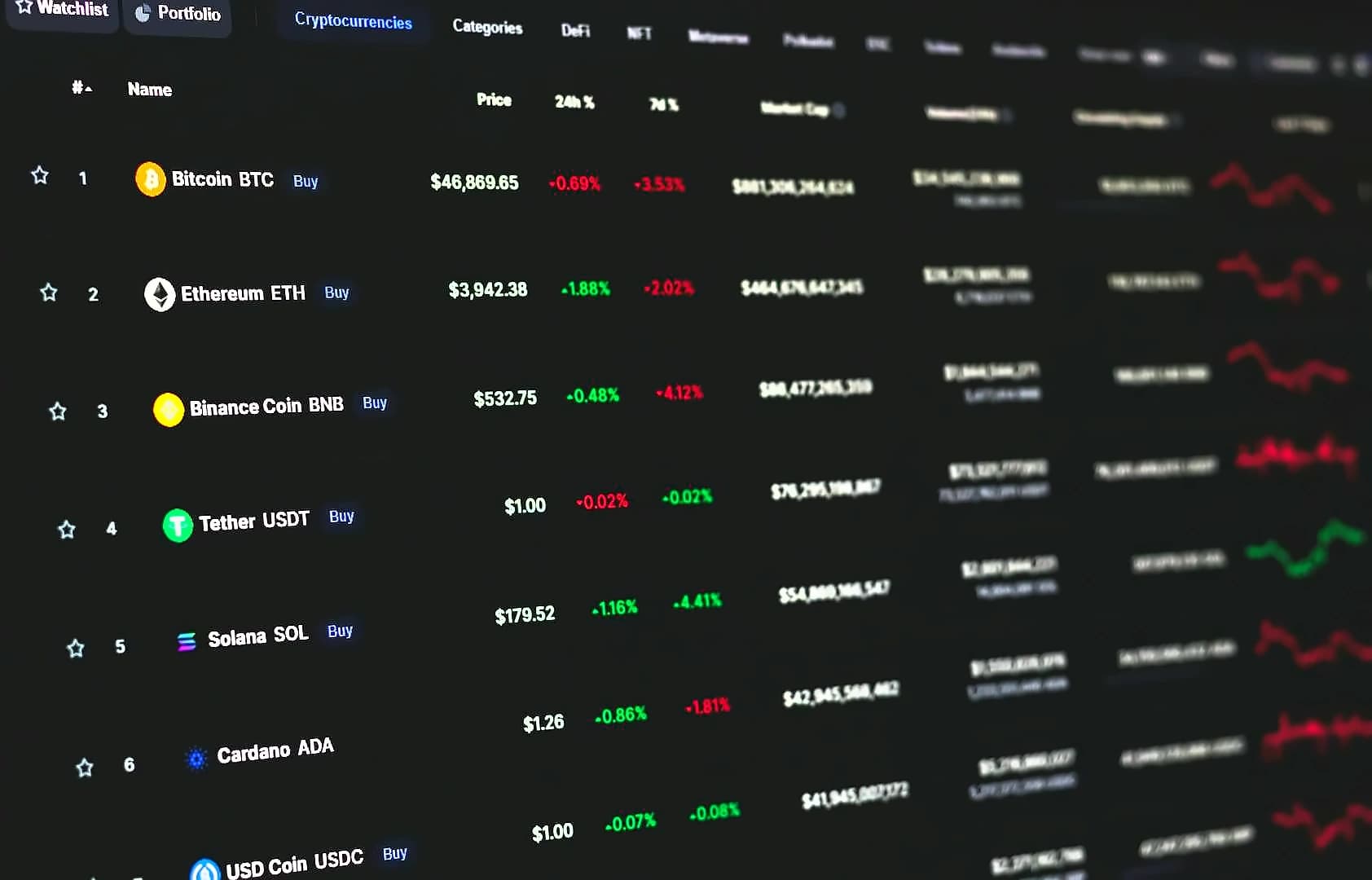
Understanding crypto market capitalization provides a broader perspective by combining an asset's current price with its circulating supply, making it possible to compare cryptocurrencies of different prices and supplies while observing changes across the wider digital asset market. A cryptocurrency's market capitalization is calculated by multiplying its current price by the number of coins or tokens in circulation. This measurement is particularly useful because a low-priced token can have a large market capitalization when its circulating supply is substantial, while a high-priced asset may have a smaller overall valuation if fewer units are circulating. Market capitalization changes when token prices move or when circulating supply changes, with large cryptocurrencies influencing the overall market substantially because changes in their valuations contribute meaningfully to total sector capitalization. The metric becomes essential for understanding Bitcoin dominance and how changes in Bitcoin's value can significantly influence overall market capitalization. The regulatory clarity establishes clear rules of the road for firms serving American customers while strengthening market integrity and providing a path for responsible innovation.