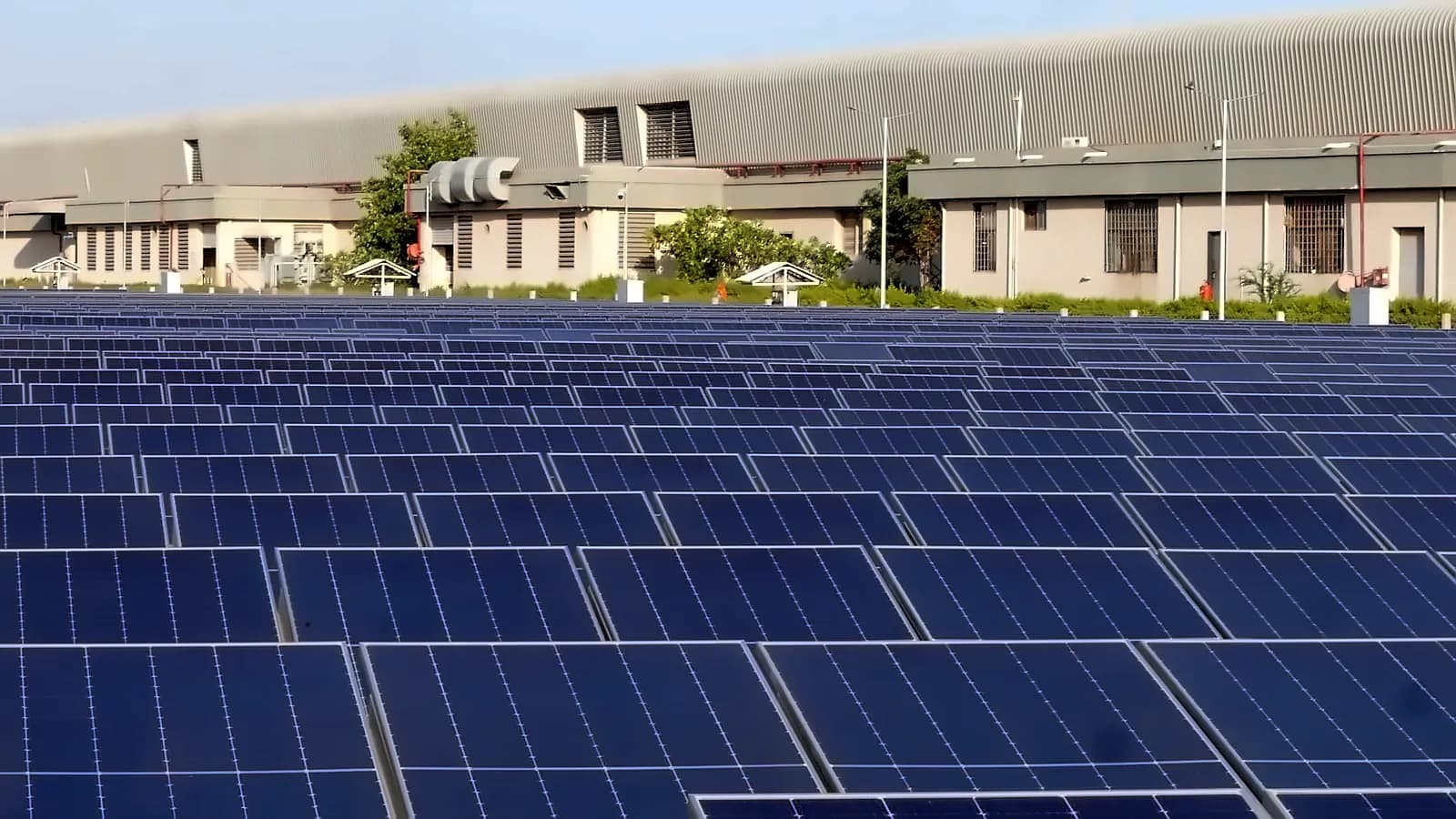
The AI boom is creating an unexpected trend as data centers increasingly look to become their own utilities rather than relying on traditional grid connections. According to Hyliion Holdings Corp CEO Thomas Healy, the current model is breaking down as AI's appetite for electricity outpaces available power infrastructure. As reported by Benzinga, Healy explained that companies are being told by grid providers that power isn't available, forcing them to shift to making their own electricity onsite. The rapid rise of AI has dramatically increased electricity demand across the data center industry, with modern AI facilities requiring enormous amounts of electricity that local utilities simply cannot deliver on short notice. The interconnect queue is measured in years, not months, creating significant delays for hyperscalers and AI developers racing to bring new capacity online.
Coinbase CEO Brian Armstrong argues that energy and compute infrastructure, not model quality, will define the upper limits of artificial intelligence growth. According to reports from Coinbase, Armstrong made this observation in response to investor Tommy Shaughnessy's post about metered API pricing pushing enterprise AI spend beyond expectations. The Coinbase CEO's core argument centers on the infinite demand for AI-generated intelligence, with no practical ceiling to growth expectations. As reported by Benzinga, Armstrong wrote on X that the limiting factor will be energy and compute, not better models, comparing AI model selection to consumer hardware markets where most users don't require top-tier intelligence.

Armstrong expects the AI market to divide sharply within 12 to 18 months, with approximately 80% of workloads migrating to models priced up to 99% below current top-tier options. As reported by Coinbase, the remaining 20% will continue running on frontier models for use cases requiring peak performance, such as scientific research or high-level orchestrator agents. He compared this split to consumer hardware, noting that most buyers skip maxed-out specs on MacBooks and gaming PCs even as prices fall faster than Moore's Law would predict. According to Benzinga, Armstrong predicts that roughly 80% of workloads could shift to models that are 99% cheaper within the next 12 to 18 months.
The shift toward cheaper AI models is being accelerated by the growing availability of open-source alternatives. According to Delphi Digital co-founder Tommy Shaughnessy, open-source models can approach premium system performance at a fraction of the cost. DeepSeek V4 performs close to Anthropic's Opus model on software engineering benchmarks while costing roughly one-thirtieth as much. Some lower-cost open models can be closer to one-hundredth of the price of premium systems. Providers such as OpenRouter, Venice, Baseten, and Together have emerged to give businesses additional ways to access these models while maintaining privacy and compliance requirements. Benzinga reports that Shaughnessy pointed to open-source models and inference providers as a growing threat, arguing that lower-cost alternatives could limit the pricing power of major AI labs.
The current AI pricing structure faces significant challenges as costs continue to fall. According to Benzinga, Shaughnessy warned that AI companies may struggle to maintain margins as customers increasingly turn to cheaper alternatives. He argued that subscription pricing is masking the true cost of heavy AI usage and suggested businesses shifting toward APIs are discovering that metered pricing can quickly inflate costs. Venture capitalist Chamath Palihapitiya has also noted that many companies are overpaying for premium AI models despite cheaper alternatives quickly narrowing the performance gap. The growing availability of open-source and lower-cost alternatives is creating competitive pressure that could fundamentally reshape how AI services are priced and consumed across industries.